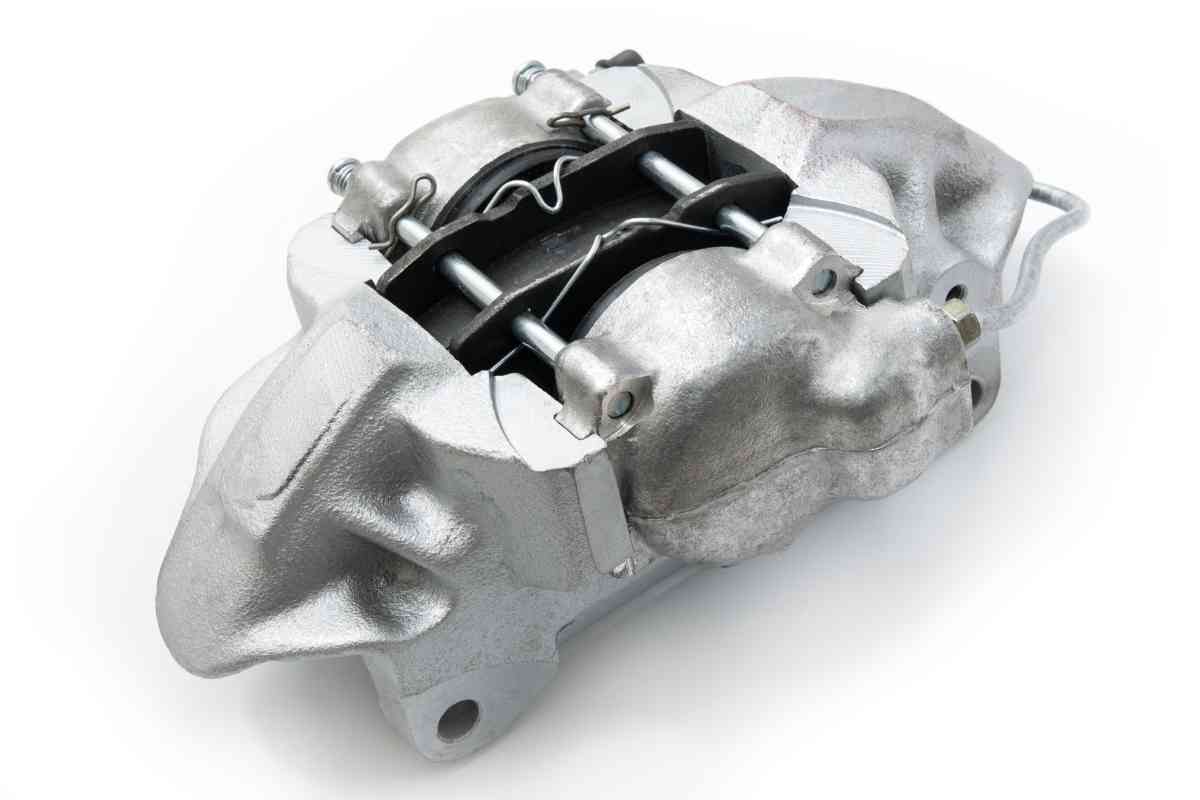
When it comes to maintaining your vehicle’s braking system, knowing the types of rear brake calipers available is crucial.
The type of rear brake caliper you choose is pivotal in how your vehicle stops.
And with various styles in the market, knowing the best pick for your car can be challenging.
But don’t fret! We will introduce you to the different types of rear brake calipers —discussing their strengths and limitations.
So by the end of this article, you will have a grounded knowledge of all rear brake calipers and which suits your car the most.
So without wasting much of your time, let’s dive into it!
Types Of Rear Brake Calipers
1. Single-Piston Calipers
Single-piston calipers are a type of rear brake calipers commonly used in vehicles. As the name suggests, they have only one piston on each side of the rotor, which applies pressure to the brake pads.
Single-piston calipers are typically less potent than dual-piston calipers and provide less even pressure distribution across the brake pads.
One advantage of single-piston calipers is their simplicity and ease of maintenance.
They have fewer moving parts than dual-piston calipers, which means they are less prone to failure and require less maintenance. This also makes them a more affordable option for those on a budget.
However, single-piston calipers may not provide a different braking performance than dual-piston calipers, especially under heavy use or when carrying heavy loads.
They may also be more prone to brake fade, which occurs when the brakes overheat and lose effectiveness.
Overall, single-piston calipers are a reliable and cost-effective option for those looking for a basic rear brake caliper that requires minimal maintenance.
However, they may provide a different level of braking performance than dual-piston calipers. They may also need to be more suitable for high-performance vehicles or vehicles frequently carrying heavy loads.
2. Dual-Piston Calipers
Dual-piston calipers are another popular rear brake calipers used in many vehicles. As the name suggests, they have two pistons on each side of the rotor, which apply pressure to the brake pads.
Dual-piston calipers are typically more potent than single-piston calipers and provide more even pressure distribution across the brake pads.
Dual-piston calipers are also known for their ability to handle high temperatures and provide consistent braking performance even under heavy use.
This makes them a popular choice for high-performance vehicles or vehicles that frequently carry heavy loads.
One advantage of dual-piston calipers is their ability to reduce brake drag, which occurs when the brake pads remain in contact with the rotor after the brakes are released. This can cause the brake pads to wear prematurely and reduce fuel efficiency.
Dual-piston calipers are designed to retract the pistons slightly when the brakes are released, reducing brake drag and improving overall performance.
They are commonly found in a wide range of vehicles, from sports cars to trucks and SUVs, and are a popular choice for those looking for optimal braking performance and safety.
Related: 6 Tire Damage Types
Frequently Asked Questions
What’s The Difference Between the Rear Brake Calipers And The Front Calipers?
The main difference between rear brake and front calipers is their size and design.
Front brake calipers are typically more extensive and more robust than rear calipers, as they are responsible for generating more braking force to slow the vehicle down during hard braking or emergency stops.
On the other hand, rear brake calipers are typically smaller and simpler in design than front calipers.
They are responsible for generating less braking force than front calipers, as the vehicle’s weight shifts forward during hard braking.
Rear calipers may also have a different piston arrangement than front calipers, such as a single-piston design, to suit their location and function better.
Overall, while both calipers perform the same primary function, they are designed and optimized for their specific location on the vehicle to provide the best braking performance and durability.
Can I Mix And Match Different Types Of Rear Brake Calipers On My Vehicle?
Mixing and matching different types of rear brake calipers on your vehicle is generally not recommended.
Each caliper type is designed to work with a specific brake system, and mixing different types can cause brake balance and performance issues.
Additionally, different calipers may have different piston sizes, affecting the pressure applied to the brake pads and resulting in uneven wear or reduced braking performance.
Suppose you are considering replacing or upgrading your rear brake calipers. In that case, it is essential to consult with a professional mechanic or brake specialist to ensure that the new calipers are compatible with your vehicle and will not adversely affect its braking performance.
In some cases, it may be necessary to upgrade other brake system components, such as the brake pads, rotors, or master cylinder, to ensure that the new calipers work correctly with the existing system.
How Can I Tell Which Type Of Rear Brake Caliper My Vehicle Has?
To determine the type of rear brake caliper your vehicle has, refer to your vehicle’s owner’s manual or consult a professional mechanic or brake specialist.
If you cannot access your vehicle’s owner’s manual, visually inspect the rear brake calipers to determine their type.
Dual-piston calipers typically have two pistons on each side of the rotor, while single-piston calipers have only one piston on each side. In addition, dual-piston calipers may have larger brake pads than single-piston calipers.
You can also look for markings or labels on the caliper that indicate its type or manufacturer. These markings may include the caliper model number, part number, or brand name.
It is important to note that some vehicles may have different types of rear brake calipers depending on the trim level or optional equipment.
Therefore, it is always best to consult a professional if you need clarification on the type of rear brake calipers installed on your vehicle.
Can I Replace My Rear Brake Calipers Myself, Or Do I Need To Take My Vehicle To A Mechanic?
Replacing rear brake calipers can be challenging; you need a professional’s expertise to perform the replacement.
This is because the brake system is a critical safety component of your vehicle. Any mistakes made during the replacement process can compromise its performance and put you and your passengers at risk.
In addition, replacing rear brake calipers often requires specialized tools and equipment, as well as knowledge of the specific brake system used on your vehicle.
A professional mechanic will have the necessary tools and experience to safely and effectively replace your rear brake calipers.
If you decide to replace your rear brake calipers yourself, following the manufacturer’s instructions carefully and ensuring all components are installed correctly is crucial.
It would help if you also took the time to properly bleed the brake system to remove any air bubbles and ensure the brakes function correctly.
How Often Should I Have My Rear Brake Calipers Inspected Or Replaced?
The frequency with which you should have your rear brake calipers inspected or replaced can vary depending on several factors, such as the type of vehicle you have and the type of calipers installed on your car.
Generally, having your brake system inspected at least once a year or every 12,000 miles, whichever comes first, is recommended.
During this inspection, your mechanic will check the condition of your brake pads, rotors, and calipers to ensure they function correctly and do not require replacement.
If you notice any brake problems, such as squeaking or grinding noises or reduced braking performance, it is vital to inspect your brake system as soon as possible.
Regarding replacement, the lifespan of rear brake calipers can vary depending on factors such as driving habits and environmental conditions.
However, your rear brake calipers should be replaced every 50,000 to 75,000 miles.
Ultimately, the best way to ensure the safety of your brake system is to follow the manufacturer’s maintenance schedule and have your brakes inspected regularly by a qualified mechanic.
Conclusion
In conclusion, rear brake calipers are crucial in safely and effectively operating your vehicle’s braking system.
Whether you’re a performance enthusiast looking to improve your vehicle’s braking capabilities or a regular driver focused on safety and reliability, choosing the right type of rear brake calipers is a critical decision.
Remember, following the manufacturer’s recommended maintenance schedule and regularly inspecting your brake system is also essential.
By taking the time to understand the different types of rear brake calipers and how they work, you can make informed decisions that help keep you and your passengers safe on the road.
Related: