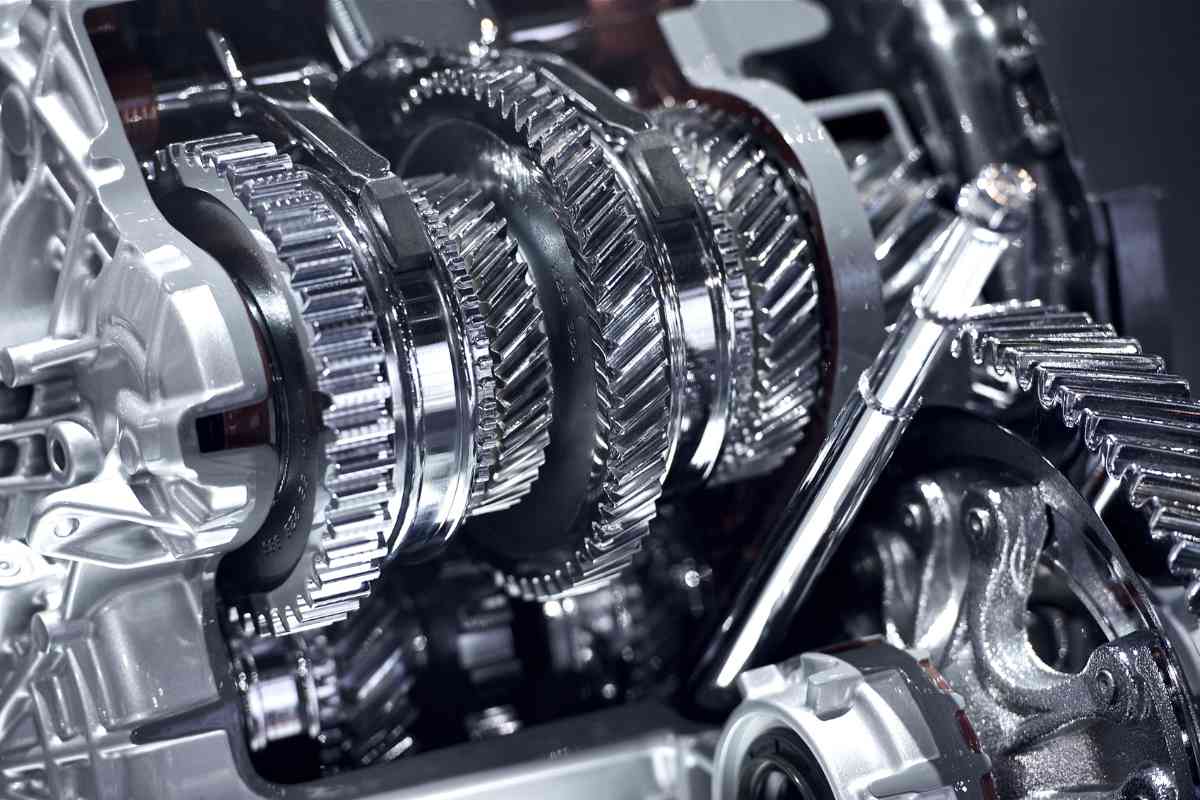
If you’re a BMW 740iL owner or in the market for one, you should be aware of a serious issue that has troubled many drivers —transmission problems.
These problems have become familiar and frustrating, causing costly repairs and safety concerns.
Imagine being on the road, cruising along, when suddenly the transmission fails, and you’re left stranded or, worse, in a hazardous situation.
It’s a scenario that no driver wants to face, but the good news is that you can take steps to avoid it with the correct information.
So, read on to learn about BMW 740iL transmission problems and how to keep it running smoothly.
BMW 740iL Transmission Problems
If you are experiencing transmission problems with your BMW 740iL, it is important to take action. This is a widespread issue with this car and can lead to expensive repairs.
And if you notice any of these symptoms, contact a mechanic immediately:
1. Delayed or Slipping Transmission
Delayed or slipping transmission is a common BMW transmission problem. It occurs when there is a delay or hesitation in the shifting of gears. Sometimes it happens when the transmission slips out of gear while driving.
Slipping could result in several issues, including poor fuel economy, power loss, and potential transmission damage.
Several potential causes of a delayed or slipping transmission in a BMW include low or dirty transmission fluid, worn or damaged transmission parts, or a faulty transmission control module.
If you suspect that your BMW has a delayed or slipping transmission, it is essential to have it inspected by a qualified mechanic as soon as possible.
2. Transmission Fluid Leaks
Transmission fluid is a crucial component of the transmission system in a vehicle, as it lubricates and cools the various parts of the transmission, allowing them to function correctly.
Unlike engine oil, which can run low due to normal wear and tear, transmission fluid should not run low.
Therefore, if you notice bright red fluid under your vehicle, it shows a leak somewhere in the transmission system.
A transmission fluid leak should not be ignored as it can lead to severe problems. If the leak goes untreated, the transmission can become damaged or break down completely, resulting in expensive repairs or replacement transmission.
3. Transmission Overheating
Transmission overheating is a common issue that can occur in BMW vehicles. BMWs are known for their advanced engineering and high-performance capabilities, but their transmissions can be prone to overheating, especially in certain driving conditions.
Transmission overheating occurs when the temperature of the transmission fluid rises above its normal operating range.
As a result, it causes damage to the transmission components, such as the gears, bearings, and clutches, and can lead to expensive repairs or even transmission failure.
To prevent transmission overheating in a BMW, it’s essential to take good care of the vehicle and to be mindful of driving conditions.
This may include regularly checking the transmission fluid level and quality, keeping the transmission cooler clean and functioning correctly, avoiding heavy loads or aggressive driving in hot weather, and promptly addressing any mechanical or electrical issues.
4. Faulty Transmission Control Module
The BMW 740iL is a high-performance luxury vehicle known for its advanced engineering and complex transmission system.
The transmission in the BMW 740iL is controlled by a Transmission Control Module (TCM), which regulates the transmission’s shifting patterns and other functions.
A faulty TCM can lead to various transmission issues and is a common problem in the BMW 740iL.
Furthermore, when the TCM in a BMW 740iL fails, it can cause various symptoms, including delayed or erratic shifting, gear slippage, harsh or jerky shifting, or the transmission getting stuck in one gear.
In some cases, the vehicle may also experience a loss of power or acceleration, or the transmission may fail and cause the car to stall.
5. Shifting Issues
Shifting issues are another common transmission problem in the BMW 740iL. These issues can manifest in several ways, including delayed or erratic shifting, gear slippage, harsh or jerky shifting, or the transmission getting stuck in one gear.
Shifting issues can be caused by various factors, from mechanical problems within the transmission to matters with the vehicle’s Transmission Control Module.
Mechanical problems within the transmission, such as worn out or damaged gears or bands, can lead to shifting issues in the BMW 740iL.
These issues can often be diagnosed through a physical inspection of the transmission and related components and repaired by replacing damaged parts.
Therefore, to diagnose shifting issues in a BMW 740iL, a qualified mechanic will typically perform a series of tests to check for mechanical problems within the transmission
6. Torque Converter Problems
A torque converter is a vital component of an automatic transmission system in BMW cars. It transfers power from the engine to the transmission and helps the car move from a stationary position.
When the torque converter malfunctions, it can result in various issues with the BMW transmission.
Some common torque converter problems in a BMW 740iL include shuddering or vibrations while driving, failure to engage or lock up properly, overheating the transmission fluid, and noisy operation.
The issues with the torque converter occur due to worn bearings, damaged internal clutches, solenoid failures, and internal leaks.
Frequently Asked Questions
How Often Should The Transmission Fluid Be Changed In The BMW 740il?
According to the BMW owner’s manual, the recommended interval for changing the transmission fluid in a BMW 740il is every 50,000 miles.
However, it’s worth noting that this is a general guideline, and the actual frequency of transmission fluid changes may depend on various factors, such as driving conditions, type of transmission, and the age of the vehicle.
Although, some experts suggest that more frequent transmission fluid changes can help prolong the life of the transmission and prevent problems such as slipping or overheating.
Therefore, it’s always a good idea to consult with a qualified BMW technician or check the owner’s manual for specific recommendations for your vehicle.
How Much Does It Cost To Replace The Transmission In A BMW 740il?
The cost of replacing the transmission in a BMW 740il can vary widely depending on several factors, such as:
The extent of the damage and whether a new or used transmission is being used. Also, the labor costs at the repair shop as a say in this too.
On average, the cost of a new transmission for a BMW 740il is $825, depending on the vehicle’s model year, which includes $154 for parts and $95 for labor.
If you install a used transmission, the cost may be lower, but there is a risk of buying a faulty transmission.
So, it’s always best to consult with a reputable BMW repair shop to get an accurate estimate for replacing the transmission in your vehicle.
How Do I Check The Transmission Fluid Level In A BMW 740iL?
Here are the simplified steps for checking the transmission fluid level in a BMW 740iL:
- Start the engine and let it stay for some minutes
- Locate the transmission dipstick (usually on the right side of the engine compartment)
- Remove the dipstick, ensure it’s clean, then insert it again
- Pull out the dipstick and check the fluid level (between the “full” and “low” marks)
- Add more fluid if necessary (using a funnel through the dipstick tube)
- Replace the dipstick and close the hood
How Can I Prevent Transmission Problems In My BMW 740iL?
To prevent transmission problems in your BMW 740iL, following a few fundamental guidelines is essential.
Regular maintenance and servicing, using the correct transmission fluid, avoiding hard driving and towing heavy loads, maintaining a steady speed, and being aware of warning signs are all essential.
This maintenance includes changing the transmission fluid and filter at recommended intervals and servicing your vehicle by a qualified mechanic.
Therefore, if you notice any warning signs, such as slipping gears or grinding noises, take your vehicle to a mechanic immediately.
Conclusion
The BMW 740iL Transmission Problems can be a real headache for any owner, but it’s essential to understand that proper maintenance and care can help prevent them from occurring in the first place.
Regularly checking the transmission fluid, keeping up with scheduled maintenance, and addressing any issues as soon as they arise can go a long way in avoiding breakdowns on the road.
So, if you’re considering purchasing a BMW 740iL, you must be aware of these potential issues and factor in the maintenance cost when deciding.
But if you’re already an owner, don’t despair – with the proper care and attention, your BMW 740iL can still provide a luxurious and friendly driving experience for years.
Related: