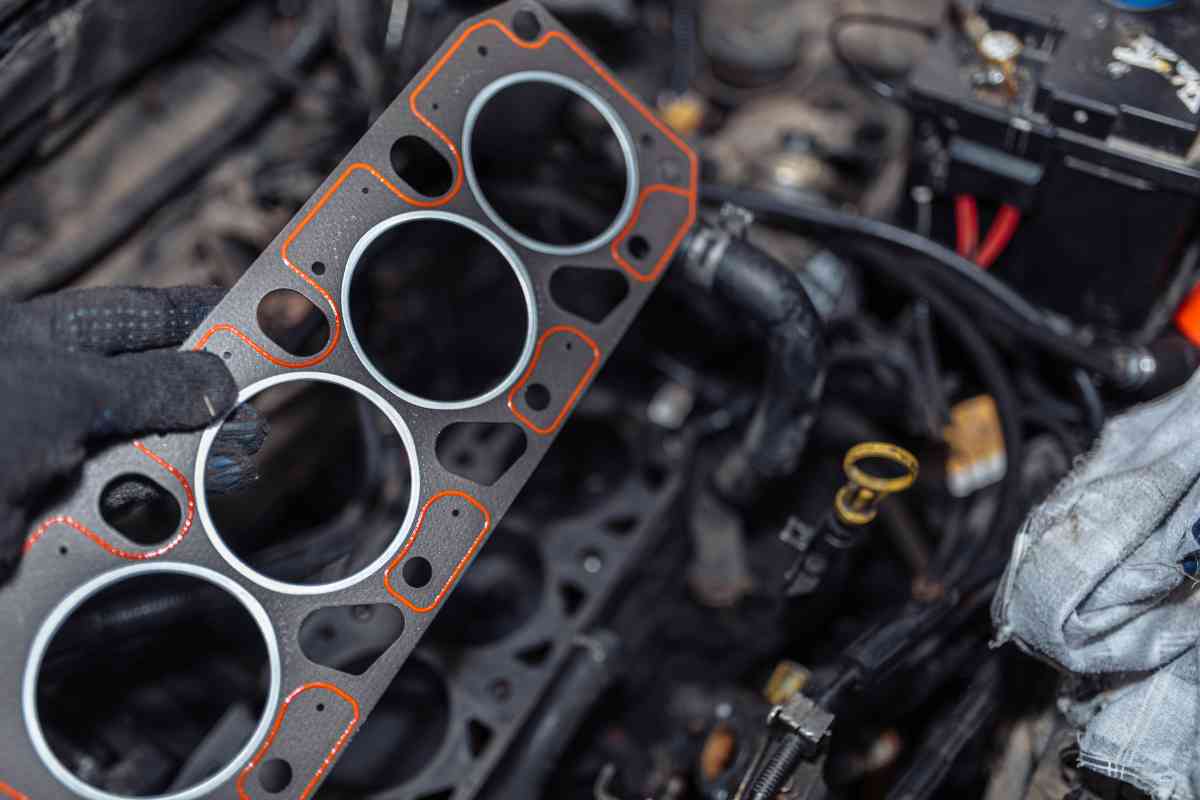
Over time, and with consistent use of a car, every component and part of the car would begin to fail. When this time approaches, you’d experience unusual signs and symptoms. A failing component needs to be replaced on time, to avoid triggering other costlier damages.
A blown or leaky head gasket is one of the commonest problems with cars that have been driven over a long time.
This issue can cause the engine to rough idle, lose compression, or even overheat; these blown, or leaky head gasket symptoms are the same on all vehicles, regardless of the model or manufacturer.
A bad head gasket can be a critical issue, and as such, should be given serious attention. Thus, it is important that you know the signs that depict head gasket failure. When you can quickly detect the symptoms, you can act early enough to save your engine from the wreckage.
What is Head Gasket?
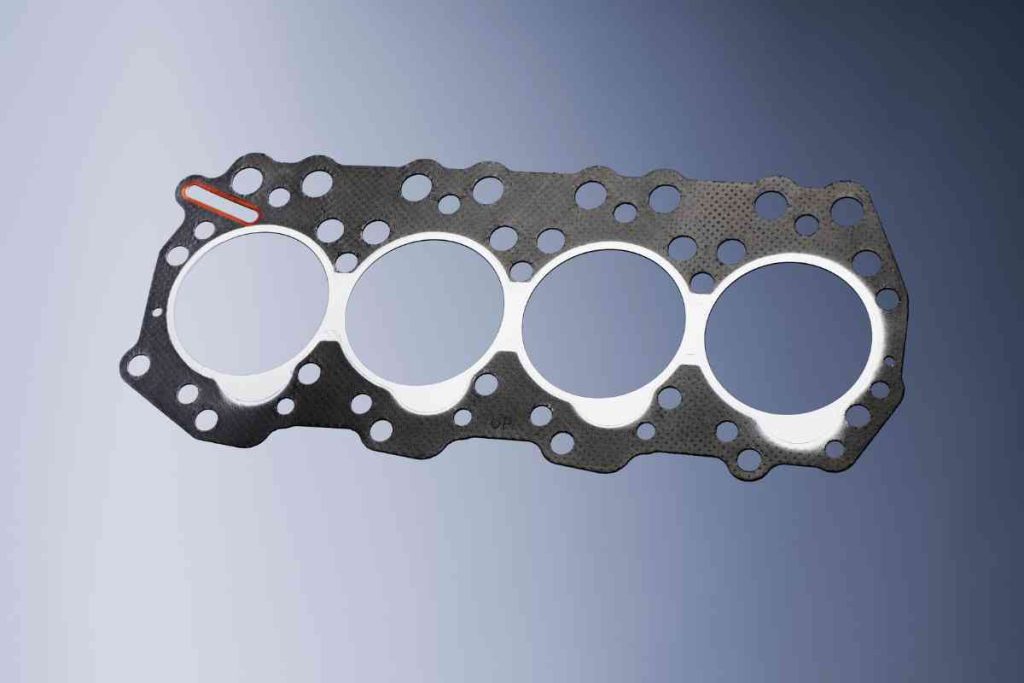
Situated in-between the engine block(s) and cylinder head, the head gasket is a small, yet important component that makes up the combustion system.
It is responsible for the flow of coolant through the coolant channels of the engine. When the head gasket is bad, the coolant liquid will leak out as it flows to the engine.
Also, the head gasket prevents combustion gasses from escaping the cylinders as it guides the coolant liquid and oil into the combustion chambers.
Modern cars have 1-2 head gaskets, depending on the engine design. Typically, “V” engines come with two cylinder heads, so they also have two head gaskets.
For pretty many reasons the head gasket can get faulty – leaky – and start causing your engine to malfunction.
What Causes a Leaking Head Gasket?
These are the most common causes of head gasket failure in most vehicles, both old and new models. It is important to note that a leaky head gasket can be referred to as a blown head gasket, or generally called a “Bad” head gasket.
1. Aging/High Mileage
The most common reason why head gaskets fail or become leaky is aging. Apparently, nothing remains in its original state over a very long time. A car with over 100k miles will most likely have a leaky head gasket.
2. Collisions
Asides from aging, there are other factors and situations that can cause the head gasket to spoil, or be broken.
For example, if you had an accident and your car collided with an obstacle, depending on the impact and severity, the head gasket could be among the components to get damaged.
3. Overheating
An overheating engine can cause a lot of harm to many crucial components in the engine bay. The head gasket is installed in the engine bay, and as such, it is one of the components that gets badly affected if a car engine constantly overheats.
Well, overheating doesn’t only affect the head gasket, it affects a lot of components.
4. Improper Installation
If you got a new head gasket and it ends up going bad pretty earlier than you expected, chances are that the head gasket wasn’t installed properly.
Improper installation can cause the head gasket to be damaged on time; this is one of the reasons to have a professional mechanic install your new head gasket.
Leaky Head Gasket Symptoms
When you’ve got a bad/leaky head gasket, these are the common signs you may experience while driving.
Note: these symptoms may not depict only a bad/blown head gasket, but when you start noticing them, get the head gasket checked.
1. Engine Misfiring
A leaking head gasket won’t allow the coolant and oil to flow evenly across the engine block, and this can lead to frequently misfiring. Engine misfiring is a situation where your engine seems to lose power intermittently while you’re revving or accelerating.
2. Overheating
Just as overheating can cause head gasket damage, a leaking head gasket can also cause overheating. Don’t get confused here, overheating can be caused by a wide range of factors, including using the wrong oil for your car.
So, if something else caused the overheating, the head gasket would be affected due to the excessive heat. On the other hand, if the head gasket gets faulty due to some other reason, its faultiness can lead to engine overheating.
That said, if your car engine starts overheating, you need to check the head gasket. So, overheating is both a symptom of a bad head gasket and also a cause of a blown head gasket.
3. White Exhaust Fumes/Smoke
With the head gasket blown, the coolant would get into the cylinders, and this can cause you to see white-colored exhaust smoke.
So, when you see thick white exhaust smokes coming out from the tailpipe, it’s a sign that coolant is getting into the engine cylinders, which signifies a blown head gasket.
4. Milky Coolant
Another sign that shows you need to check the head gasket is when you’ve got a milky coolant. How would the coolant turn milky?
A blown head gasket typically swaps coolant and oil, which could change the coolant to appear grey or brown – and seem milky. When you notice you’ve got a typically different coolant, check the head gasket.
5. Unusual Coolant Loss
You already have an interval for changing or topping up the coolant in your car; if you notice that the coolant liquid runs down drastically, unlike usual, and you can’t find a leaking spot on the coolant reservoir, then it’s most likely that you’ve got a blown/leaky head gasket to deal with.
Head gasket leak causes the coolant liquid to burn off as it touches on bare metallic bodies in the engine bay.
6. Oil and Coolant Leak
Yes! It does happen, a blown head gasket can also cause a coolant or oil leak. If this is the case, you’d see oil or coolant leaking out from under the engine bay. The leak may be much or small.
7. Poor Engine Performance
Another sign of a leaky head gasket is poor engine performance – when your car engine doesn’t seem to deliver much performance and efficiency.
This could be because the engine is not getting enough oil for its moving parts to rotate as supposed and deliver better performance.
Well, there are many things that could lead to poor engine performance – a bad/blown head gasket is one of those “things.”
Can You Drive With a Bad Head Gasket?
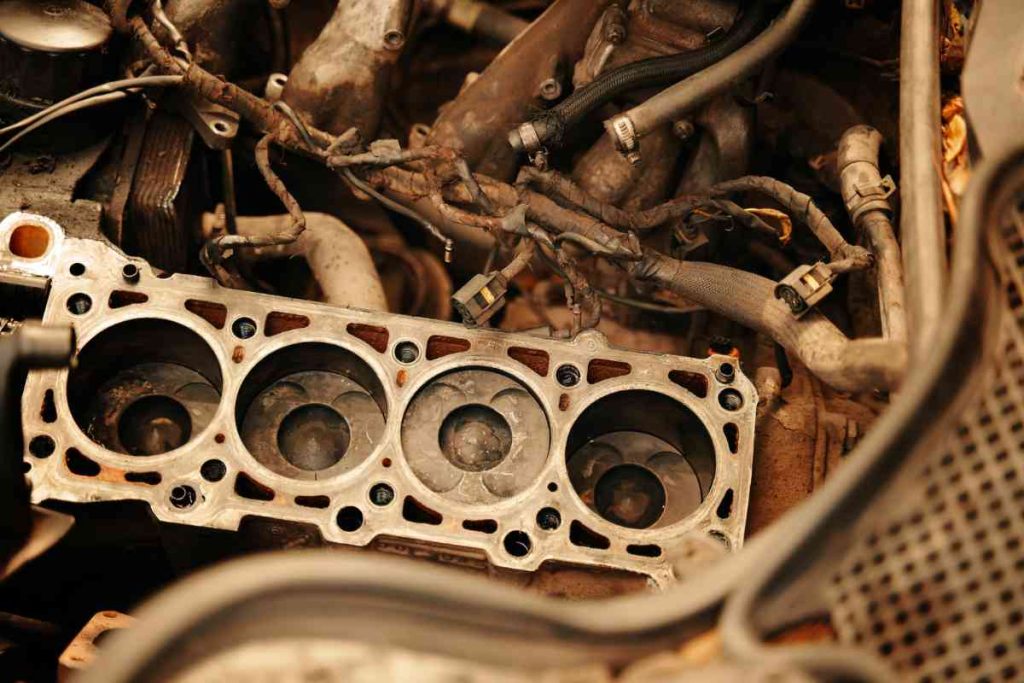
If it just got spoilt, yes, you can drive with it. However, if the damage has been long, it must have affected other critical components in the drivetrain, and as such, your car may not drive.
Notwithstanding, it is strongly advised not to drive with a blown/leaky head gasket as it can lead to other costlier problems.
Head Gasket Leak Repair Cost
It’s pretty costly, you’d spend over a thousand bucks to get a new head gasket. A blown head gasket cannot possibly be repaired, it needs to be replaced. The average cost of getting a new head gasket installed on your vehicle is $1,200.
Yeah, you may spend up to $1,500 or more, depending on many factors, including your vehicle brand and model.
Replacing the head gasket is not something to give to an unprofessional mechanic because if the new one isn’t installed properly, it’d get spoilt pretty sooner, and you’d need a new one, again.
Conclusion
This article explains the common leaky head gasket symptoms you may experience on any car that’s facing a head gasket problem. Sadly, any damage to the head gasket would require a complete replacement.
Some common causes of head gasket problems include overheating, accidents, high mileage, and improper installation.
Related: