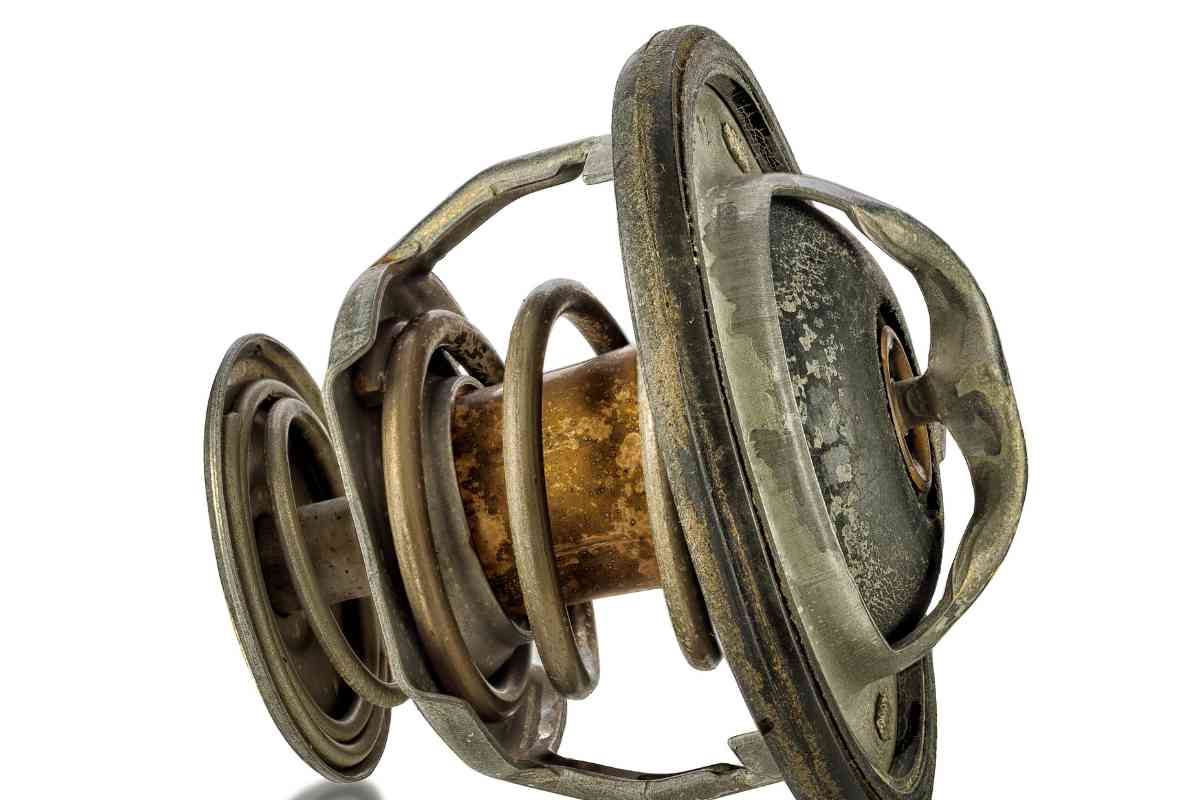
What can a bad thermostat do to a car?
The things a bad thermostat does to a car are a mystery!
Your car’s electronic control unit (ECU) is responsible for regulating the temperature of our engine and cabin.
But did you know that a bad thermostat can cause engine overheating problems, battery drain, and spontaneous engine failure?
Absolutely!
And those are just the tip of the iceberg.
This is why it is crucial to read the indications of a bad thermostat and know whether or not it needs replacing before things get out of hand.
What Can A Bad Thermostat Do To A Car?
A bad thermostat can be a severe safety issue. A car’s engine is designed to run at a specific temperature, and if it’s too hot or too cold, it can lead to problems like overheating or freezing.
And these are the two most common symptoms.
The car’s engine is a complex machine that requires precise temperatures to run correctly. A bad thermostat can cause the temperature of the engine fluids to rise too high.
And when the temperature gets out of whack, the engine has to work harder to maintain its proper operating temperature —which means more wear and tear on everything from the alternator to the transmission.
A bad thermostat may also cause other problems like false emissions readings and poor fuel economy.
If your car isn’t running as smoothly as it should be, there’s a good chance that something is wrong with its thermostat —and you should have it checked out as soon as possible!
5 Symptoms of A Bad Thermostat
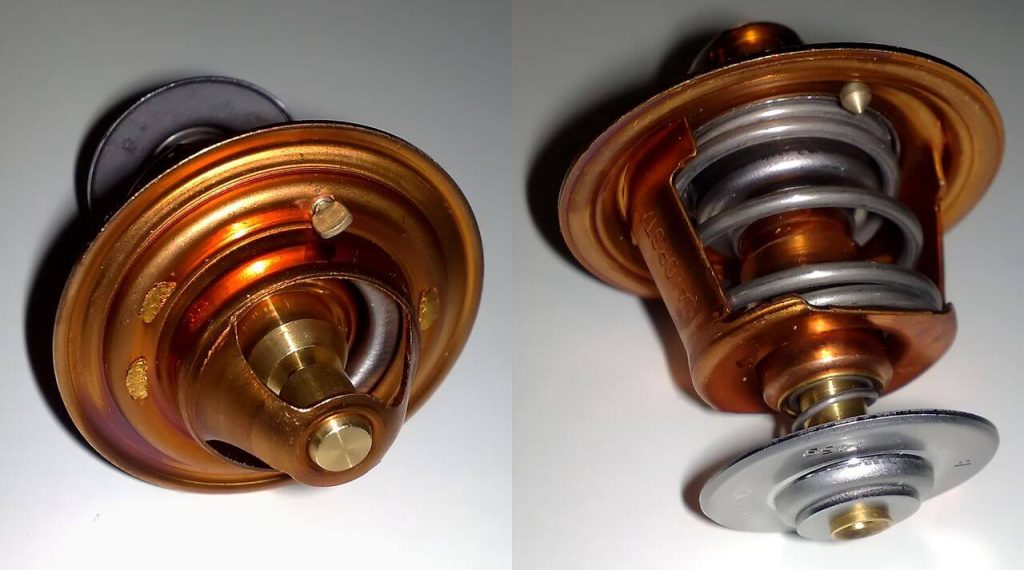
Now you know a failed thermostat can prick up an array of impaired operation and functionality of your engine.
The good news, however, is that there are some clear warning signs to watch for if you think this is happening.
And that is precisely what you will discuss —five not-uncommon signs indicating a faulty thermostat.
1. Abnormal Temperature Gauge (Higher or Lower Than Normal)
When you start your car, the temperature gauge should show that it is cold if you have left it idle for a while.
As you drive, the temperature gauge in your car typically rises until it reaches about halfway—the optimal operating temperature for the engine.
However, when the thermostat is stuck closed, it will prevent coolant flow into the engine.
This means your temperature gauge will rise until it reaches the Hot end of its range—without offering any relief.
Driving under those circumstances could damage your engine. You must monitor your engine temperature gauge. If the needle rises above what is expected, pull over to let the car cool down before continuing your journey.
On the contrary, if the thermostat is stuck open, you’ll notice that it takes much longer for the temperature needle to strike its average midpoint on your gauge.
If your car’s heating system is not working, adjust the temperature and see if warm air still comes out of the vents.
If it doesn’t, chances are the thermostat has broken.
2. Coolant Leaking
If a thermostat is faulty, it will remain in its closed position when the engine is running hot. Since the coolant typically flows toward it, the close thermostat will impede the coolant from entering the engine.
And an over-full thermostat housing caused by a leak in the cooling system can cause the coolant to overflow.
If this situation continues, the coolant hoses will leak the following components. And that is no good.
But looking under your car is the easiest way to check for leaks.
If you spot a green- or reddish liquid leaking underneath your car, then you have a coolant leakage situation.
3. Malfunctioning Of the Air Conditioner
If the thermostat is not working, your air conditioner may feel like it’s malfunctioning.
This symptom can occur when a cold blast of air suddenly replaces the warm in-cabin temperature you had previously experienced —and then quickly changes back to a relaxed or hot interior environment.
To briefly put, any change in air temperature that is not reflected by the settings on your thermostat could indicate a problem.
4. Heater Not Working
If a heater core leaks, it will let coolant flow into the engine even when the car’s temperature doesn’t require this extra liquid —which can cause problems.
Thus, if the thermostat is open and you switch on the heater inside, the HVAC vents will continue to dispense cool air even when you turn the heater temp up.
Thus, you won’t get the warmth you need to feel comfortable.
5. Strange Engine Noise
The temperature changes associated with a broken thermostat can make your car’s engine sound strange. The noises you hear could include rumbling, knocking, or gurgling sounds from the radiator, motor, or both.
If you’re experiencing strange noises coming from your thermostat and have one of the other problems listed here, then chances are high that something wrong with your thermostat.
And you should hasten up to replace a faulty or leaking thermostat as soon as possible to prevent damage that could cause your car’s engine to overheat.
Related: 6 Car Suspension Problems
Car Thermostat Replacement Cost
If you get a lousy thermostat that needs immediate attention, you can get it fixed for a reasonable price.
Mind you; the repair cost will vary depending on the type and make of the car you own and your location.
And don’t even second guess it; going for a DIY solution.
Replacing the Thermostat in your car can save you hundreds of dollars, but it requires more than just removing a few screws.
Not everyone who tries to save money by replacing their own car’s thermostat succeeds.
If you have little or no experience working on cars and cannot reach your vehicle’s thermostat, you shouldn’t attempt a DIY repair job.
Let a well-trained technician handle it, as there could be something else wrong with the vehicle rather than just the thermostat.
Besides, the average installation of a car thermostat costs between $20 and $80, but luxury or sports cars may cost more.
The labor will be about $120, possibly more if going to a dealership.
You should also have it at the back of your mind that many mechanics charge around $80 to $110 per hour for their expertise.
But they should also get it done in one or two.
Trust me, it’s worth it, instead of being penny-wise pound foolish at the end of the day.
Conclusion
A thermostat is an essential part of your car. It keeps the engine from overheating, and the car runs smoothly and efficiently. If you have a faulty one, the consequences can be dire…or they may not be.
Either way, you should take your sick car to the mechanic for replacement.
Remember that you are investing in the safety and function of your car with this one small add-on that can make or break your driving experience.
Related: