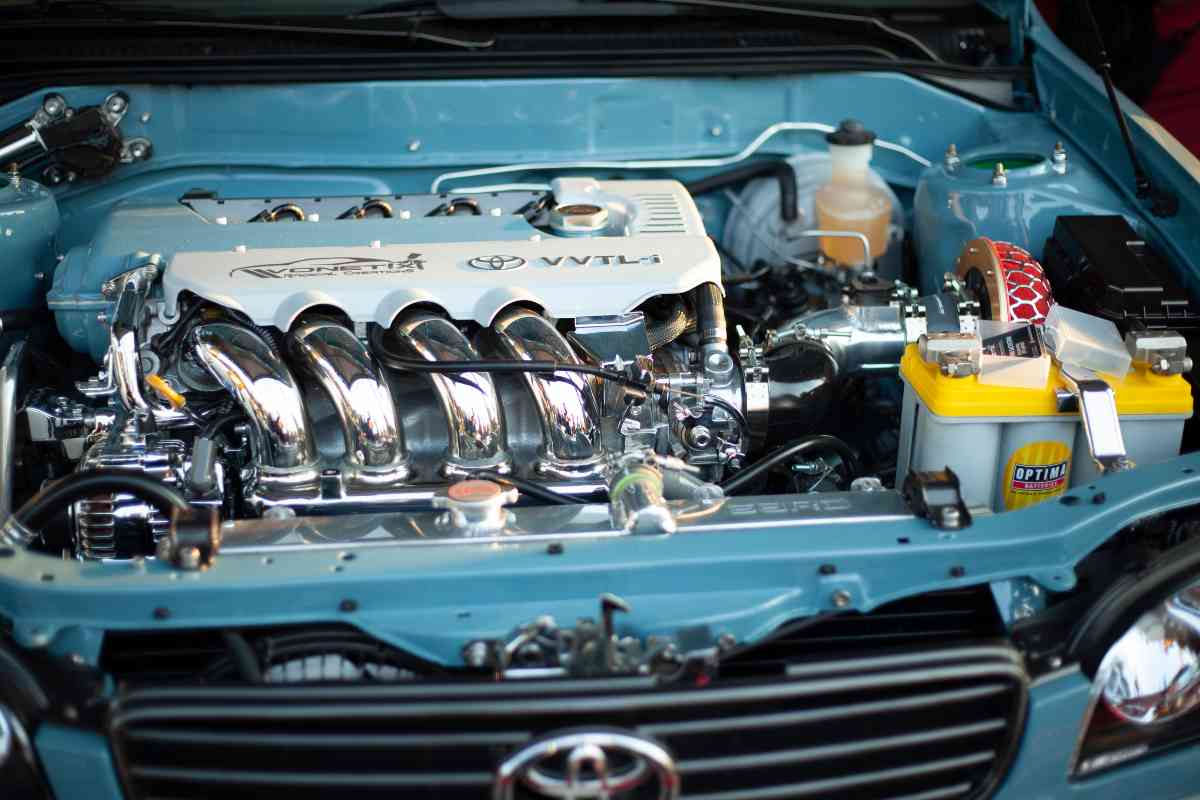
When choosing a car, one of the most important decisions you’ll make is what type of engine to go for.
With so many different types of car engines available, each with its strengths and weaknesses, it can be tough to know which is the right choice for you.
However, understanding the differences between the types of car engines can help you make an informed decision that meets your needs.
This post will provide an overview of the most common types of car engines, including their advantages and disadvantages, to help you make an informed decision.
So, let’s explore the world of car engines to give you an insight into what you are in for when buying a car.
Types Of Car Engine
1. Internal Combustion Engines
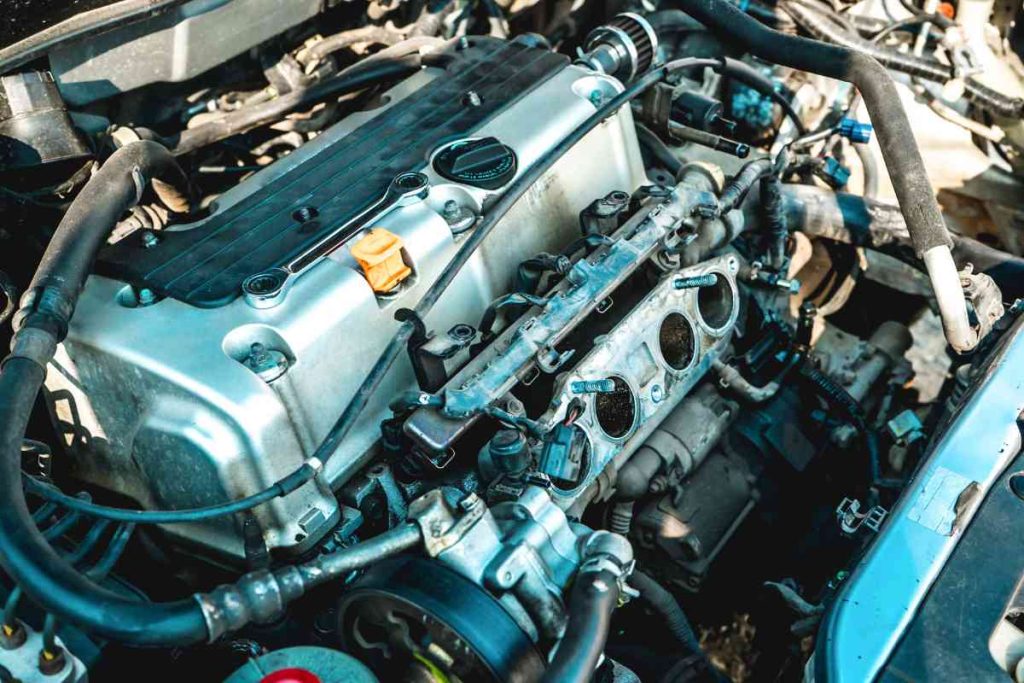
Internal combustion engines (ICEs) are the most common engine found in cars today.
These engines use the combustion of fuel and air to generate power, with gasoline and diesel being the two most common types of fuel used.
Gasoline Engines
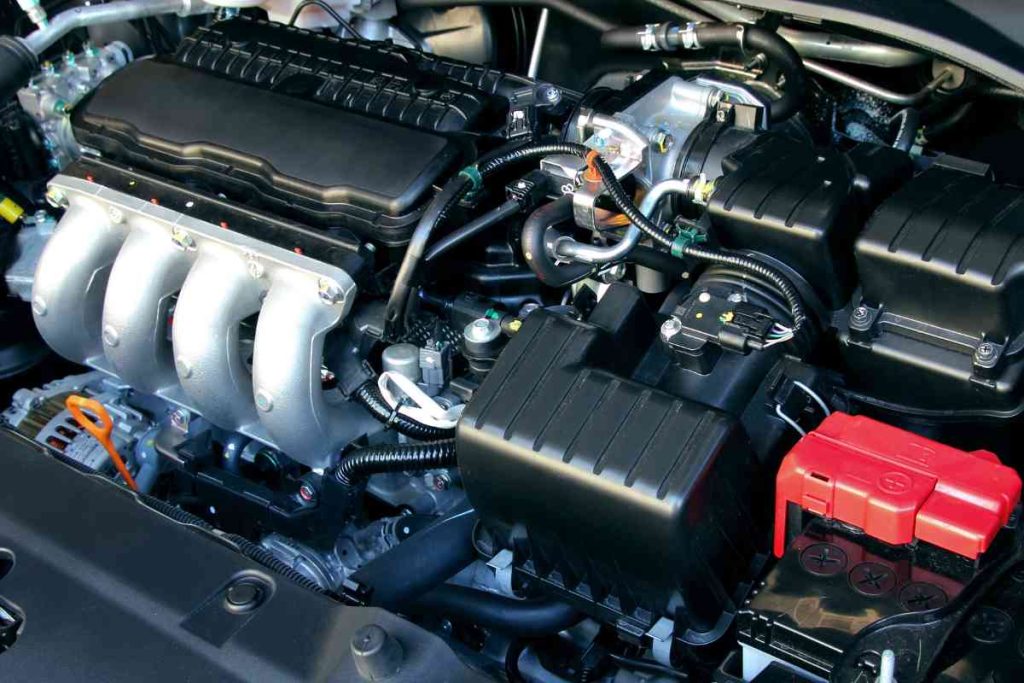
Gasoline engines are more popular for passenger cars due to their smoother operation and better performance at high speeds.
These engines work by compressing a mixture of air and gasoline in a cylinder, then igniting it with a spark plug. This combustion creates pressure that pushes a piston down, turning a crankshaft and generating power.
Pros:
- Gasoline engines are smoother and quieter
Cons:
- They have lower fuel efficiency and produce more emissions
- Some cars with gasoline engines include the Toyota Camry, Honda Civic, and Ford Mustang
Diesel Engines
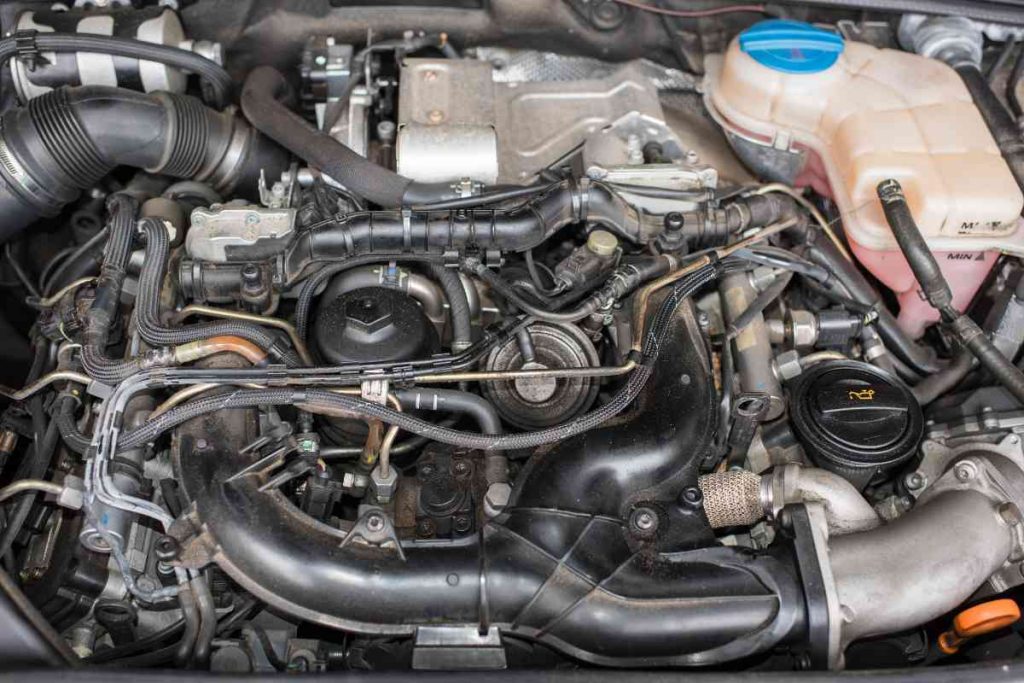
Diesel engines are more common in heavy-duty trucks and large vehicles due to their high torque and fuel efficiency.
Diesel engines compress air in the cylinder to a much higher pressure than gasoline engines, which causes the air to heat up and ignite the fuel without needing a spark plug.
Pros:
- Diesel engines are more fuel efficient and produce less carbon dioxide.
Cons:
- They are louder and more expensive to maintain.
Examples of cars with diesel engines include the Ram 1500, Chevrolet Silverado, and Ford F-250.
2. Electric Engines
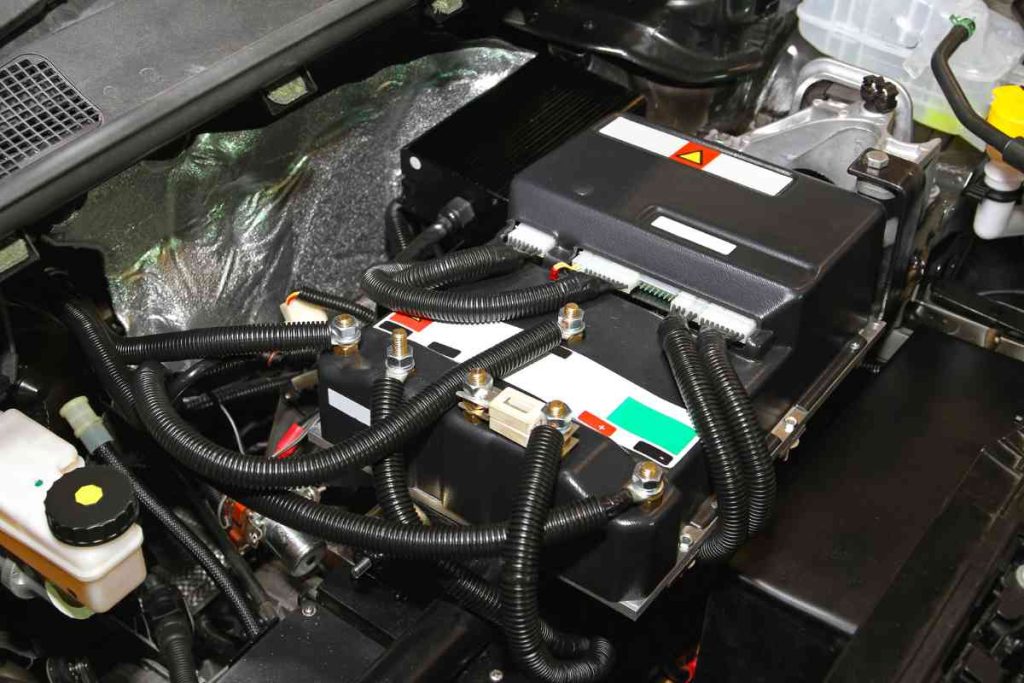
Electric engines are becoming an increasingly popular choice for environmentally-conscious drivers.
Instead of using fuel to power the engine, electric vehicles use a large battery to store electricity, which is then used to power an electric motor.
This makes them an emissions-free and silent option that produces no tailpipe emissions.
Pros:
- One of the biggest advantages of electric engines is their efficiency. Electric engines can use up to 80% of the energy stored in the battery to power the car.
- Electric engines require less maintenance than internal combustion engines since they have fewer moving parts that can wear out or break.
Cons:
- Electric machines have a limited range of the vehicle due to the limited capacity of the batteries.
- Charging the battery is time-consuming.
Examples of cars with electric engines include the Tesla Model S, Nissan Leaf, and BMW i3.
3. Hybrid Engines
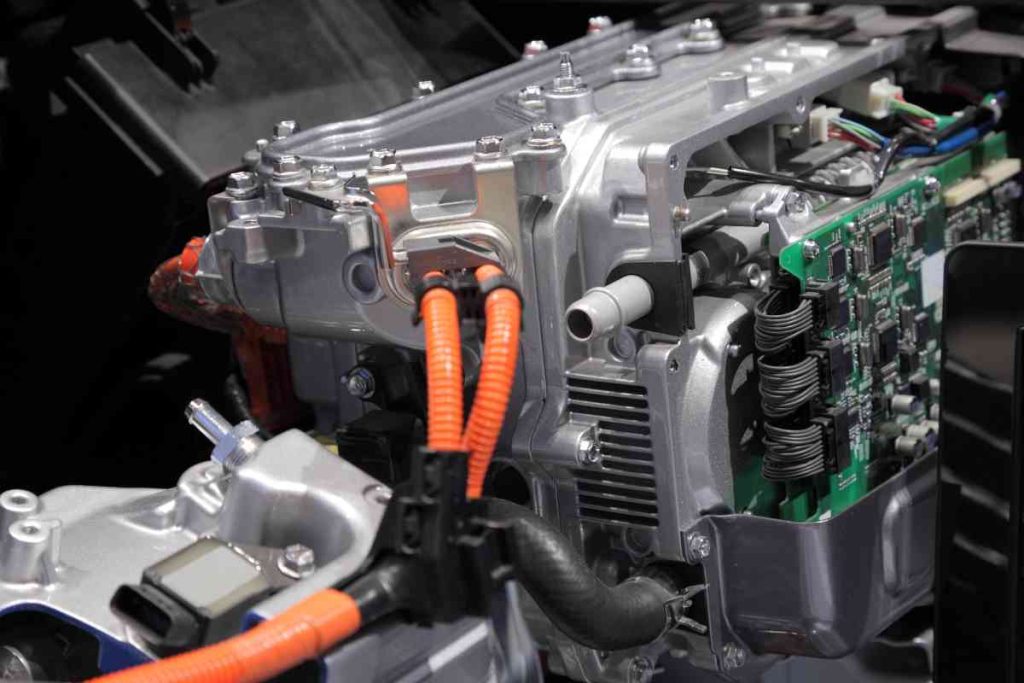
Hybrid engines combine the best of both worlds by incorporating elements of electric and internal combustion engines.
These engines have an electric motor and an internal combustion engine to power the car.
The electric motor provides additional power when needed, while the internal combustion engine is used for longer trips and high speeds.
Pros:
- Hybrid engines have good fuel efficiency.
- They also produce fewer emissions than internal combustion engines, making them a more environmentally-friendly option.
Cons:
- They can be more expensive than traditional gasoline engines.
- They require more maintenance than electric engines, as they have both an electric motor and an internal combustion engine that need to be maintained.
Examples of cars with hybrid engines include the Toyota Prius, Honda Accord Hybrid, and Ford Fusion Hybrid.
Read Also: 6 Tire Damage Types
Frequently Asked Questions
Can I Switch From An Internal Combustion Engine To An Electric Engine?
In theory, converting a car from an internal combustion engine to an electric one is possible, but it is a complex and costly process.
The process involves removing the internal combustion engine and replacing it with an electric motor, battery pack, and other necessary components, such as a charger, power inverter, and cooling system.
Depending on the car model and the extent of the conversion, it can cost tens of thousands of dollars and take many months to complete.
In addition, converting a car to an electric engine may also require significant modifications to the car’s chassis, suspension, and braking systems to accommodate the weight and size of the new components.
As such, it is not a project that should be taken lightly, and purchasing a new electric car is more cost-effective.
Can I Improve The Performance Of My Car By Upgrading The Engine?
Yes, it is possible to upgrade the engine in your car to improve its performance.
Some ways to upgrade the engine include installing a turbocharger or supercharger, upgrading the air intake and exhaust systems, installing a high-performance camshaft, and adding a performance chip to the engine’s computer.
However, it’s important to note that upgrading the engine can be expensive, and there may be better solutions for improving performance.
In some cases, purchasing a new car with better performance specs is more cost-effective.
In addition, upgrading the engine can also affect the car’s fuel efficiency and emissions, which may be a concern for some drivers.
How Long Do Electric Car Batteries Last?
The lifespan of an electric car battery can vary depending on several factors, including the make and model of the car, the type of battery, and the driver’s habits.
Electric car batteries are generally designed to last for years, with some manufacturers offering warranties of up to 8 years or 100,000 miles.
However, the actual lifespan of the battery will depend on how it is used and maintained. It is recommended to charge the battery to around 80% and never let it go below 20%.
Other factors that can affect the lifespan of an electric car battery include the climate, driving conditions, and the age of the battery.
Proper maintenance and care can also help extend the battery’s lifespan.
How Can I Maintain My Car Engine?
Maintaining your car’s engine is vital in running smoothly and avoiding costly repairs. Here are some tips for maintaining your car engine:
Check and change the oil regularly: Regular oil changes are essential for keeping your engine lubricated and running smoothly. Check your vehicle’s owner’s manual for the recommended interval for an oil change.
Keep the engine clean: Dirt and grime can build up on the engine over time, affecting its performance. Regularly cleaning the machine can help to keep it running smoothly.
Check the air filter: The air filter helps to keep dirt and debris from entering the engine. Check the air filter regularly, and once it becomes dirty, replace it.
Use the right fuel: Using your car’s recommended fuel can help prevent engine damage and improve performance.
Address any warning signs: If your car’s check engine light comes on or you notice any unusual sounds or vibrations, a mechanic must address the issue as soon as possible.
Conclusion
In conclusion, understanding the different types of car engines is crucial for any car enthusiast or owner.
By considering the type of driving you do and your individual preferences, you can make an informed decision on the best engine for your car.
Additionally, regular oil changes, air filter checks, and using the recommended fuel are just a few ways to keep your engine running smoothly.
So, make the right choice and give your car the care it deserves to keep it running smoothly for years to come.
Related: