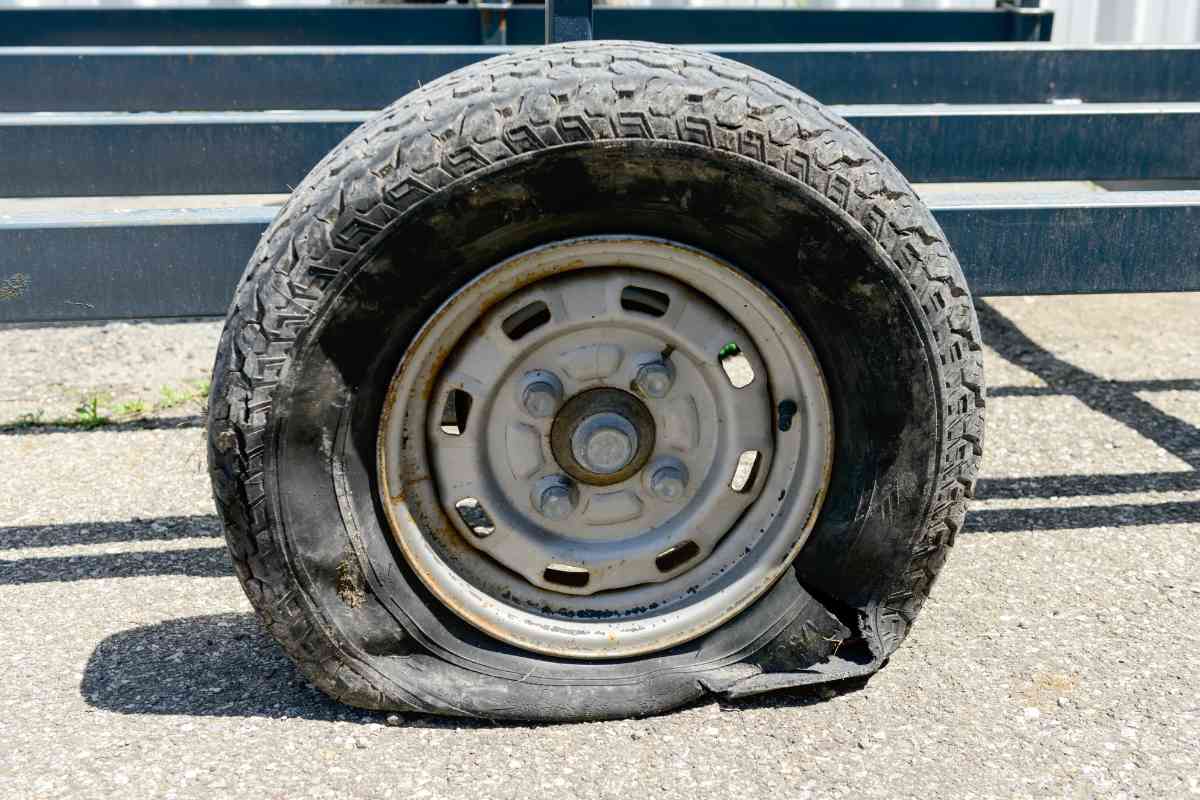
As long as you are driving the car, tire damage is a fact of life. Whether a violent blow or a careless driver, tires are not as indestructible as they might seem.
No matter what type of car or truck you drive or how careful you are on the road, your tires will eventually suffer severe damage.
Therefore, understanding the tire damage types, causes, and consequences will help keep your vehicle running smoothly and ensure your safety on the road.
And that is precisely what this article does, exploring the types of tire damage and learning how to spot them before they cause serious problems.
Tire Damage Types
Tire damage can take on various forms and levels of injuries.
However, regardless of whether you drive defensively or aggressively, it’s likely that your tires will sustain damage at some point, and it’s something you can’t prevent easily.
In most cases, tire damage can occur without the driver realizing it right away. Collisions, road debris, or potholes can cause this.
Here are six typical types of tire damage.
1. Punctured Tire Damage
Punctures are tire damage when a sharp object pierces the tire’s outer wall. The items could be screws, glass shards, or protruding nails.
Another common reason for punctures is tarmac cracks.
A large amount of air pressure is lost if the object that caused the hole penetrates a significant portion of the tire.
Loss of grip or decreased handling could result from this.
There are two different kinds of punctures: rapid and slow. Examine the tires for debris adhering to their surface or a broken sidewall to spot a gradual hole.
Additionally, they could be distorted or deflated.
Since the tire loses air pressure suddenly and makes it difficult for you to drive, rapid punctures are simple to spot.
A quick prick will also impact your vehicle’s handling.
2. Tire Wall Damage
The term “tire wall” describes the tire’s outer edges encircling the rim. Because tires are designed to resist a lot of pressure, their walls are relatively rigid.
Cuts and bulges can still harm them, though. Bumps frequently occur after an impact.
This damage occurs when you enter a pothole, which weakens the sidewall’s structural integrity at the point of contact. A bubble appears on the tire’s surface due to the pressure inside.
The impact can also result in sidewall cuts, but these are far more serious because they can result in blowouts.
This might also happen if you run a tire under-inflated and drive over anything sharp. Look for bubbles encased beneath the tire’s surface or sidewall slits open to the air to spot tire wall damage.
3. Cracked Damage
Cracks frequently appear on the sidewalls or tire surface closest to the ground. Less than a millimeter to more than a centimeter thick cracks are possible.
They result from poor driving conditions, sun exposure, or normal wear and tear.
They may result in a reduction in handling, a lack of grip, or, even worse, cracks. The best action is to replace the tire because you can’t adequately fix cracks.
4. Irregular Tread Wear
Irregular tread wear can take several different forms. These include tire usage-related wear and tear.
Others include one-sided wear from mismatched tires and center wear from overinflated tires. Check your tread bars to spot tread wear.
You can identify the sort of tread wear you have by looking at the quantity and distribution of wear on the tires.
Replace the worn-out tires and make a fix to stop it from happening again to correct uneven tread wear.
5. Tire Bust
The most dangerous kind of tire damage is this one. It happens when the tire wall’s integrity is compromised, making it challenging for the tire to maintain air pressure. Underinflation is a common reason why tires blow out.
This error is because an under-inflated tire finally bursts because of the car’s weight, which impacts friction and heat from driving.
Since you will hear the sound of the tire exploding, a tire bust is simple to recognize. The way your car handles will also change.
When one blows out, the steering wheel is pushed to the side of a busted tire. It would help if you got a new tire to correct this damage.
6. Cut Tire Damage
External factors like projecting bodywork components, poor driving conditions, or pointy, foreign objects like glass or stones can all lead to cuts.
Visit your neighborhood tire merchant to get them checked by a professional if you see damage in the form of cuts on the tire surface.
How Can I Prevent Tire Damage?
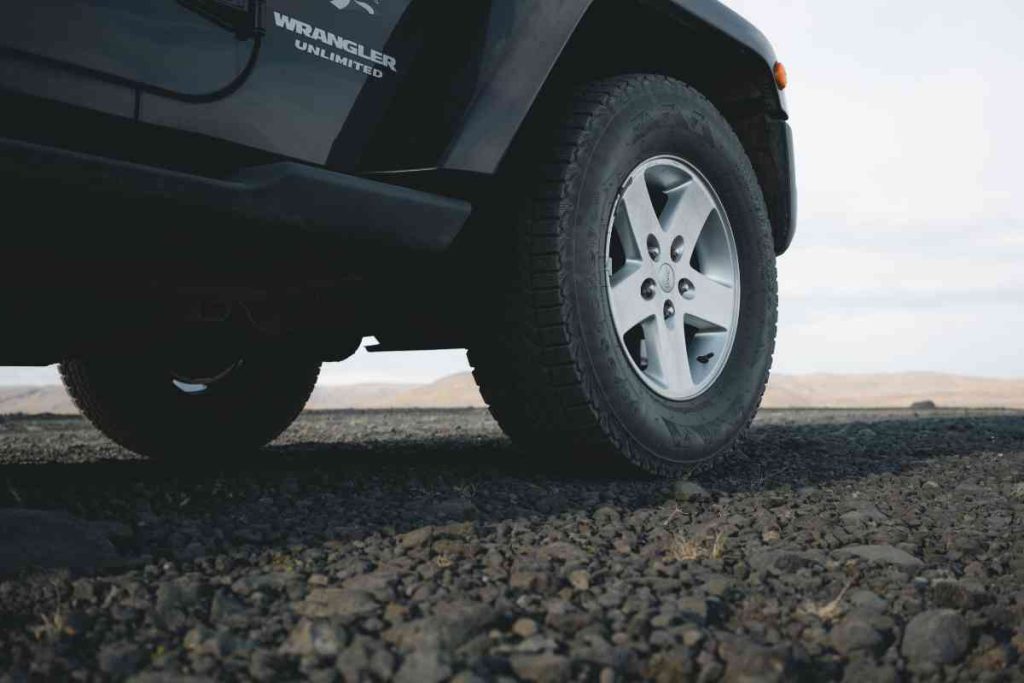
Preventing tire damage requires a combination of regular tire inspections, maintenance, and proper driving habits.
Here are a few steps you can take to keep your tires in good condition and reduce the risk of damage:
- Regular tire inspections: Checking your tires regularly for signs of damage is a crucial part of preventative maintenance. Look for punctures, cuts, bulges, and irregular wear patterns, and have any issues addressed promptly.
- Maintaining proper tire pressure: Underinflation or overinflation can cause significant damage to your tires. Check your tire pressure at least once a month and inflate it to the recommended pressure levels.
- Rotating tires regularly: Regular tire rotation can help extend the life of your tires and prevent uneven wear. Consult your vehicle owner’s manual or tire manufacturer to determine the proper tire rotation schedule.
- Proper tire storage: When your vehicle is not in use, store your tires properly to avoid damage from exposure to sunlight, heat, and other elements.
How Do Underinflation And Overloading Affect Tire Damage?
Underinflation and overloading can have significant effects on tire damage.
When a tire underinflates, it can cause excessive stress on the tire, leading to sidewall bulges, tread separation, and other types of damage.
Similarly, overloading your vehicle can also put excessive stress on your tires, causing them to wear out faster and become damaged.
Furthermore, underinflated tires can also increase the risk of a blowout, a sudden and complete loss of air pressure in a tire.
This can be dangerous, especially when driving at high speeds, and can cause serious accidents.
Additionally, underinflated tires can decrease fuel efficiency, as they create more resistance on the road, making your vehicle work harder to move forward.
Frequently Asked Questions
Can I Repair Tire Damage Myself?
In some cases, you may be able to repair tire damage yourself. But it’s essential to be cautious and take the necessary precautions to ensure your safety and the performance of your tires.
For minor damage, such as small cuts or punctures, you may be able to repair the tire yourself using a tire repair kit.
However, following the instructions and repairing it correctly is essential to ensure the tire is safe.
In most cases, the damage may be too severe to repair, and you’ll need to replace the tire.
What Should I Do If My Tire Has Damage?
If your tire has damage, it’s essential to take immediate action to ensure your safety and the performance of your tires.
Here are the steps you should follow if your tire has damage:
- Stop driving and inspect the tire: If you notice any damage to your tire, stop driving immediately and inspect the tire. Look for any cuts, punctures, or other visible damage that may affect the tire’s performance.
- Evaluate the damage: Depending on the extent of the damage, you may be able to repair the tire yourself, or you may need to have it repaired or replaced by a professional.
- Repair or replace the tire: For minor damage, such as small cuts or punctures, you may be able to repair the tire yourself using a tire repair kit.
- Check tire pressure: If the tire was repaired or replaced, check it and adjust it as needed to ensure it is at the correct level.
- Schedule a tire inspection: After any tire damage, it’s crucial to have a professional tire inspection to ensure that the tire is in good condition and that no other damage has occurred.
Conclusion
Following the tips and recommendations outlined in this guide, you can take proactive steps to prevent tire damage and keep your tires in good condition.
Whether you are looking to repair or replace your tire or prevent damage from occurring in the first place, this guide provides the information and resources you need.
Also, remember that regular tire inspections and maintenance are vital to preventing damage and ensuring that your tires are in good condition.
So, schedule regular inspections and take the necessary steps to keep your tires in top shape. Your safety and the performance of your vehicle depend on it.
Related: