The transmission is a critical component of your vehicle, ensuring power is transferred from the engine to the wheels.
So, can a bad alternator cause transmission problems? As it turns out, the answer is YES – a malfunctioning alternator can have a ripple effect on the transmission.
So whether you’re a car enthusiast or want to keep your vehicle running smoothly, understanding the relationship between the alternator and transmission is essential.
Therefore, we’ll explore the connection between a bad alternator and transmission problems and examine how these two components are intertwined.
So without delays, let’s get this myth unraveled!
Can A Bad Alternator Cause Transmission Problems?
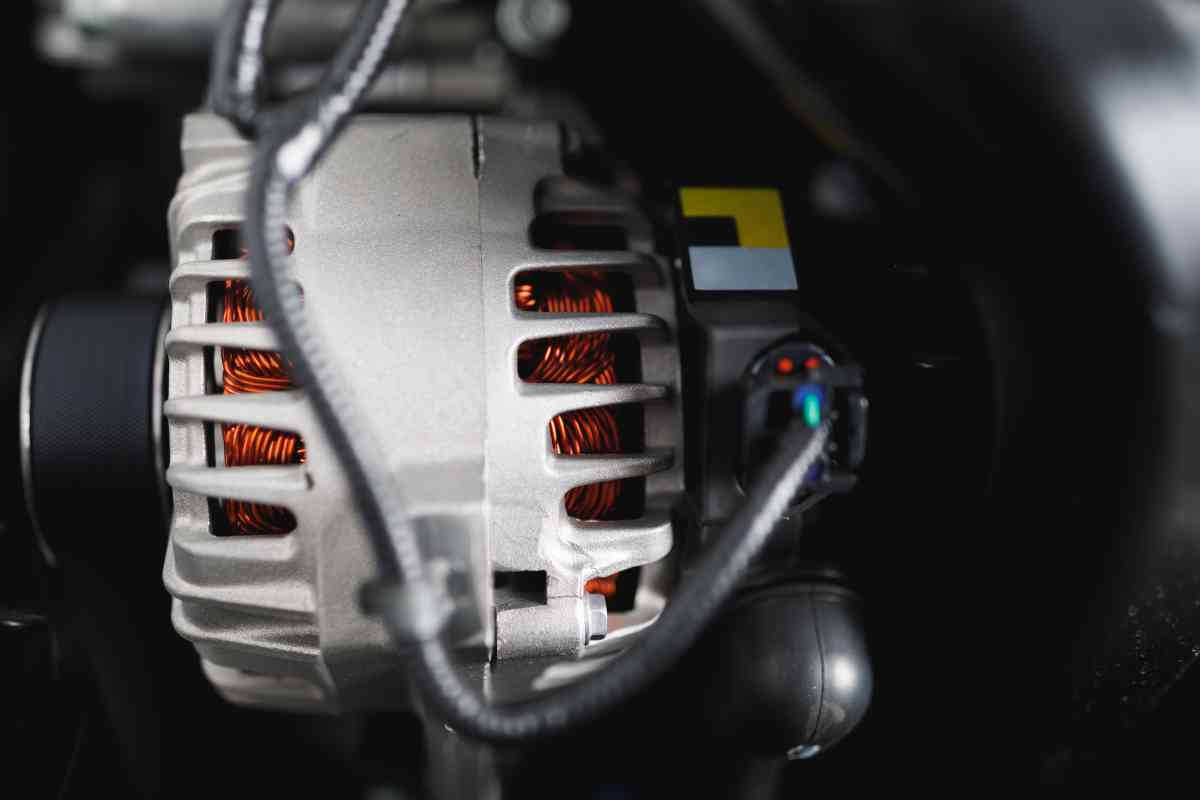
An alternator is an essential component in a vehicle that generates electrical power to keep the battery charged and power the car’s electrical systems.
A transmission, on the other hand, is a mechanical system that controls the power generated by the engine and transfers it to the wheels, allowing the vehicle to move.
Although the alternator and transmission are two separate systems, they are both critical to the proper functioning of a vehicle.
However, the question remains: can a bad alternator cause transmission problems? The shortest reply to this is yes!
When a vehicle’s alternator begins to malfunction, it can cause transmission problems. One of the most common issues is a voltage drop, which can occur when the alternator fails to provide the necessary power to the transmission.
Furthermore, it can cause the transmission to automatically change its programming to maintain low engine RPMs and reduce the load on the engine. Alternators with built-in voltage regulators can also cause surges just before they fail.
As a result of this, it can lead to unnecessary power flowing through the system, which may cause the computer to redirect energy away from sensitive parts like the powertrain-control module. Hence, if the transmission is affected by this power loss, it may fail.
In addition, other symptoms of a malfunctioning alternator can also impact the transmission. For instance, unburned fuel can be expelled from the exhaust if the alternator disconnects power to the ignition system.
This fuel can enter the catalytic converter and cause a fluid leak, further affecting the transmission.
Another possible scenario is that a bad alternator can cause the engine to stall, which can also affect the transmission.
So, when the engine stalls, the transmission may not be able to engage the gear it needs to move the car, or it may cause the transmission to shift gears suddenly or erratically.
Therefore, it’s essential to regularly inspect and maintain the alternator to ensure it is functioning correctly.
However, if the signs mentioned above are present, in that case, it’s recommended to take the vehicle to a trusted mechanic to diagnose and repair the issue before it leads to more severe problems.
To prevent further damage to the transmission, ensure any issues with the alternator are appropriately repaired by a qualified mechanic. Catching any problems early on can save you time, money, and headaches in the long run.
Finally, a bad alternator can cause transmission problems due to a lack of voltage, which affects critical components in the transmission system.
What Are Some Transmission Problems That Can Result From A Bad Alternator?
A bad alternator can cause various issues in a car’s electrical and mechanical systems, including transmission.
Some common transmission problems resulting from a faulty alternator include low voltage, fluid leaks, overheating engines, damaged belts, and dim lights.
- Low voltage can cause the transmission to shift roughly or slip out of gear, while fluid leaks can damage transmission components and cause a loss of power.
- Overheating engines or damaged belts can also cause transmission issues, as the transmission relies on a healthy engine and properly functioning belts.
- Additionally, dim lights can indicate that the alternator is not producing enough power to keep the battery charged, leading to further electrical problems that affect the transmission.
Frequently Asked Questions
What Should I Do If I Suspect My Alternator Or Transmission Is Malfunctioning?
If you suspect your alternator or transmission is malfunctioning, it’s essential to take action immediately to prevent further damage and ensure your car runs smoothly and safely.
Here are some steps you can take:
Identify the problem: Pay attention to any symptoms your car exhibits, such as rough shifting, slipping gears, or a lack of power.
Have your car inspected: Take your vehicle to a qualified mechanic to have it checked. They will be able to diagnose the problem and advise you on the best course of action.
Follow maintenance schedules: Regular maintenance and inspections can help prevent alternator and transmission problems before they occur. Follow the manufacturer’s recommended maintenance schedule for your car and have it inspected by a qualified mechanic regularly.
Be proactive: If you suspect an issue with your car’s alternator or transmission, don’t wait until it becomes a significant problem.
Can I Replace My Alternator Or Transmission Myself?
Replacing an alternator or transmission is a complicated and potentially dangerous process that experienced and qualified individuals should only attempt.
While trying to save money by replacing these components yourself may be tempting, it’s not recommended. Here are a few reasons why:
First, replacing an alternator or transmission requires specialized tools and knowledge. If you don’t have the proper tools or experience, you may damage other parts of the car or injure yourself.
In addition, replacing an alternator or transmission can take time, especially if you need to become more familiar with the car’s mechanics.
Finally, replacing an alternator or transmission requires a lot of expertise, including diagnosing the problem, selecting the correct replacement parts, and ensuring everything are installed and functioning correctly.
Therefore, it’s best to take your car to a qualified mechanic who can diagnose and repair it safely and efficiently.
What Are The Signs Of Alternator Problems In Cars?
Several warning signs may indicate issues with the alternator in your car.
One of the most common signs is issues with the lights on your dashboard, such as the battery light coming on or the headlights flickering.
Another warning sign is a strange or burnt smell coming from under the hood of the car. This can indicate that the alternator is overheating and needs to be inspected by a qualified mechanic.
Additionally, a faulty alternator can cause issues with the drive belt that powers it, resulting in a squealing noise or a loss of power steering.
You may also notice that your car is slow to start or the engine is stalling, which can signal a weak battery due to the alternator not charging it properly.
Sometimes, the alternator may cause the car’s electronics to malfunction or shut down entirely.
So if you notice any of these warning signs, it’s essential to have the alternator inspected by a qualified mechanic as soon as possible.
Can An Alternator Cause A Car Not To Accelerate?
If your car’s alternator has a problem, it’s possible that it won’t produce enough power to keep your engine running.
This means that the vehicle won’t be able to accelerate or move forward, which could be due to an internal defect or an externally damaged part.
You can check your car’s alternator using an ohmmeter.
If you find two wires attached to the alternator and they’re connected, then there may be trouble with the wiring system in your vehicle.
If one of these wires is broken or damaged, this will prevent current from reaching your battery correctly and causing issues with acceleration.
And if you suspect that your alternator has problems, contact your mechanic immediately so they can diagnose the problem and fix it before it causes further damage.
Conclusion
To crown it all, a bad alternator can cause transmission problems, which is a connection many car owners are unaware of.
Whether you’re experiencing slipping gears, delayed engagement, or strange noises coming from your transmission, a malfunctioning alternator could be to blame.
So, seeking professional help is the key to keeping up with regular maintenance, which will help to prevent problems from occurring.
Also, regular oil changes, battery checks, and alternator inspections can help keep your car in top condition.
Related: