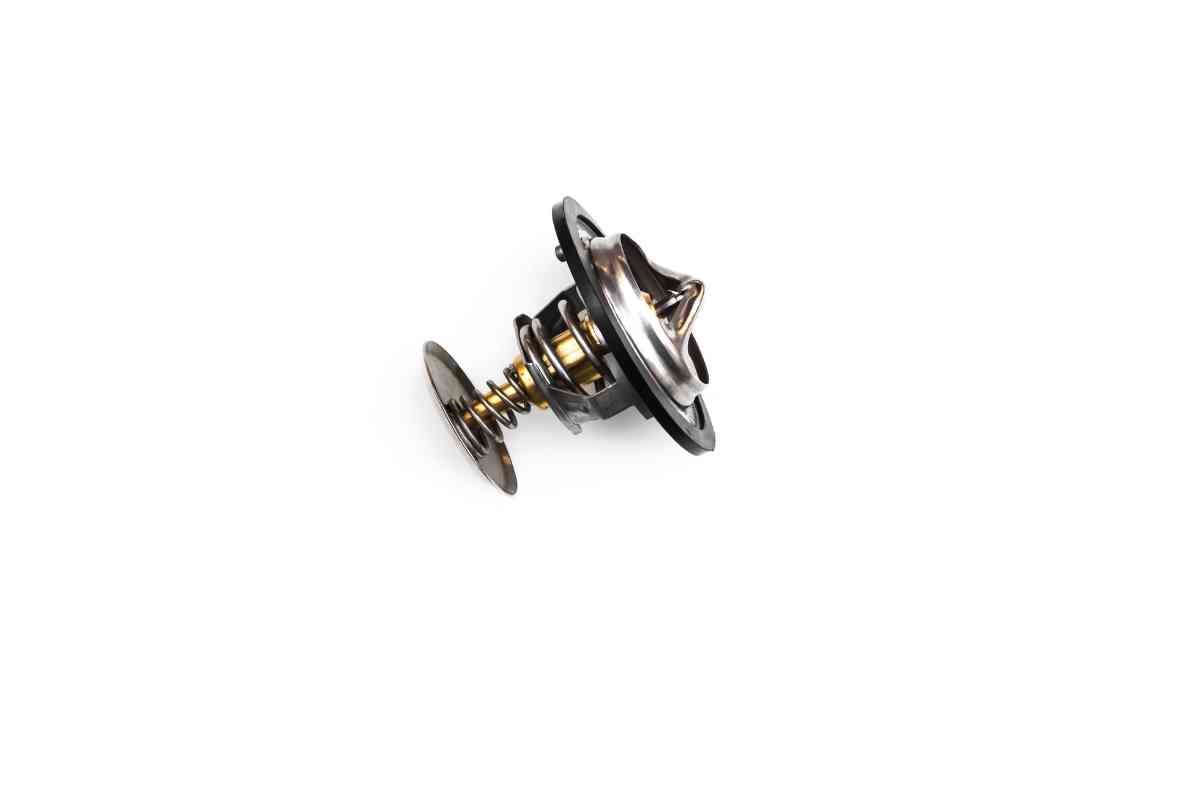
Can a bad thermostat cause a car not to start?
No. Even with a lousy thermostat, your car will still start.
The thermostat’s job is to keep the engine from directly contacting the radiator until it has reached a specific minimum temperature.
Without this component, your car would permanently lose heat to its cooling system and take longer to warm up —which is unsuitable for fuel economy or keeping you safe!
If you have to crank the engine for a long time before it starts and it smokes, your car likely has more severe problems than just a missing thermostat.
It may require significant repairs—perhaps due to damage was done by overheating in the past.
Can A Bad Thermostat Cause A Car Not To Start
Many people believe that a bad thermostat can cause a car not to start or not to run correctly. However, this is not true.
A faulty thermostat is only one of many things that can cause your car not to start or run correctly.
It can cause overheating, heater malfunction, temperature fluctuations, poor engine performance, and rumbling noises.
So if your car doesn’t start, you should do a few things.
First, check the battery and make sure it’s charged. Next, check your fuel gauge and make sure it is full.
If these two things are working correctly, consider checking the condition of your radiator cap or cooling system.
The last thing you should try is resetting the temperature sensor on your car’s engine control module (ECM).
If none of these things work, then it may be time to take your car to a mechanic for further inspection.
Frequently Asked Questions
Can A Car Run With A Bad Thermostat?
Yes, a car can run with a bad thermostat.
A thermostat is a device that senses temperature and controls the flow of coolant to the engine.
It’s designed to regulate the engine’s temperature so that it doesn’t overheat and damage it.
When your car has a bad thermostat, it won’t be able to regulate its temperature properly, which will cause it to overheat more quickly than expected and cause other problems down the line.
While your car may still be able to move and get you from Point A to Point B, operating it will cause more damage.
This is especially true if the engine is overheating—if that’s happening, you shouldn’t drive.
This can be especially dangerous for older cars because they have several systems built into them that rely on accurate temperatures to work properly —and if those systems aren’t working correctly, they won’t work at all!
The result could be an engine fire or other catastrophic failure requiring extensive repairs or replacement.
Does Temperature Affect Car Starting?
Yes, the temperature can affect car starting.
Car engines are designed to operate at a specific temperature range and must be conducted within that range.
If the engine is not operating within the correct temperature range, it could lead to problems such as corrosion and corrosion-related failures.
Also, if your car has been sitting idle in the sun for a long time or recently parked outside, it might take longer for your engine to start.
Batteries also perform poorly when temperatures drop, especially in single-digit weather.
If the battery is old and its condition questionable, it might not be able to start your car as temperatures fall toward zero degrees Fahrenheit.
The starter could run slowly when you turn the key, or remain dormant.
What Causes A Thermostat To Fail?
Thermostat failure is typically caused by a contaminated fluid or an old thermostat with weakened springs.
Contamination often happens when incompatible coolants are mixed, but it can also occur if the vehicle operator reuses old coolant that has yet to be changed as the manufacturer recommends.
Conclusion
To round things up, a lousy thermostat won’t cause a car not to start, but it can cause further problems that prevent the vehicle from starting.
A thermostat is just one of the numerous sensors on the engine, and a problem with the thermostat may indicate a more significant issue in the cooling system.
This being said, it rarely causes starting issues on its own because many other items need to fail before it reaches this point.
Related: