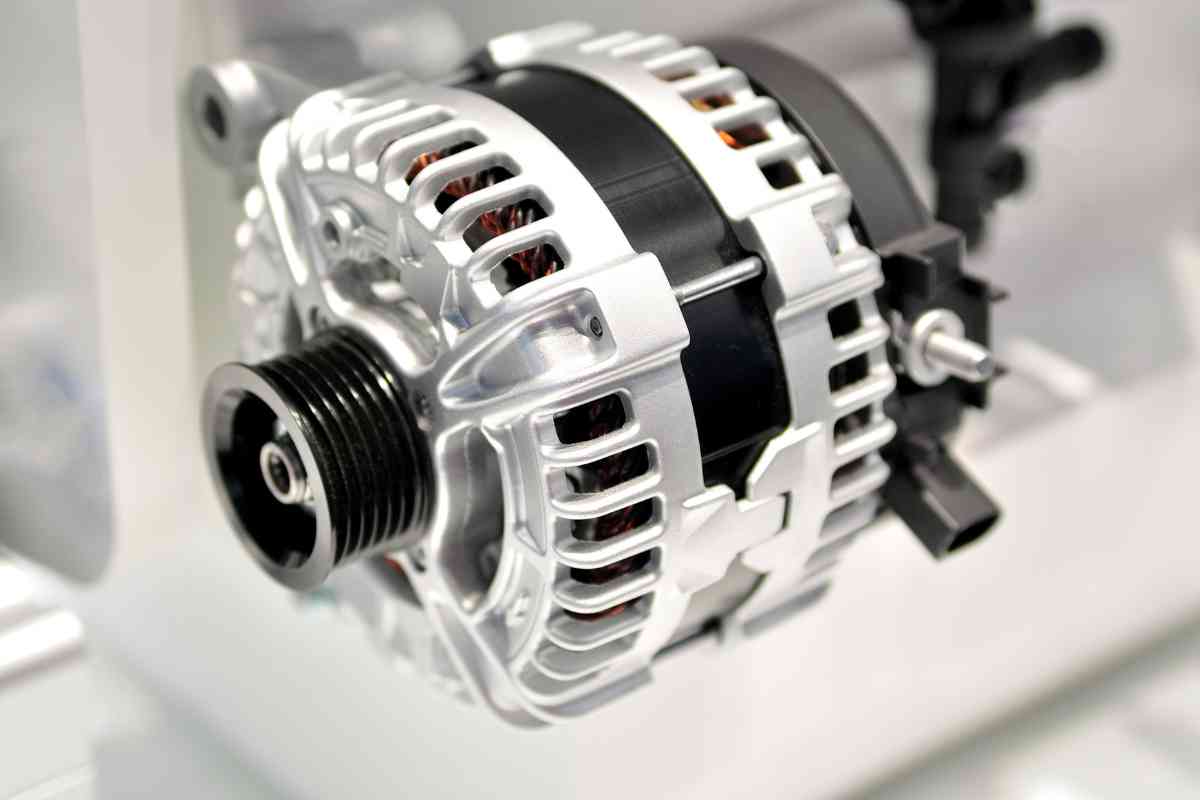
People often ask: “can you drive a car with a bad alternator?“
Of course, you can!
The sad news is that you have a small window of about 25 to 30 minutes drive —as long as your vehicle’s battery is fully charged.
Although driving a car with a bad alternator is not a brilliant idea, this is because it can lead to a wide variety of problems.
It can make it rather challenging to start your engine, cause the battery to drain entirely, and interfere with the vehicle’s electrical opponents. Thus, rendering your car utterly unresponsive.
So since the alternator is such a crucial part, you must repair it ASAP.
If you have little or no knowledge about alternators, you will have to research how it works, what the symptoms of a bad one are, and how to find a suitable model and ensure it fits your vehicle.
Can You Drive A Car With A Bad Alternator?
Yes, you can drive a car with a bad alternator.
The alternator is a device that converts the mechanical energy in your car’s engine into electrical energy.
The more power your alternator has, the more efficiently your car will convert its mechanical energy into electricity.
A lousy alternator means there is not enough electrical power from the engine to run all of the car’s electronics and other components.
But this does not mean you won’t be able to drive a car with a bad alternator—you just need to ensure the battery is fully charged and that you have gas in the tank.
But you only have about 25 to 30 minutes.
But it is always advisable to take your car to the repair shop when you notice your faulty alternator.
And you are wondering about the replacement cost, well it depends on several factors.
But I want to clarify that YES, you can put some aside doing it yourself.
On the contrary, going to a mechanic is a preferable option if you don’t know what you are doing.
Besides the alternator itself, there is also a labor cost. The average hourly rate for mechanics in the US is around $100-$200. So expect to pay anywhere from $600-1000 or more depending on whether you buy new parts or use old ones.
Do Alternators Fail Suddenly?
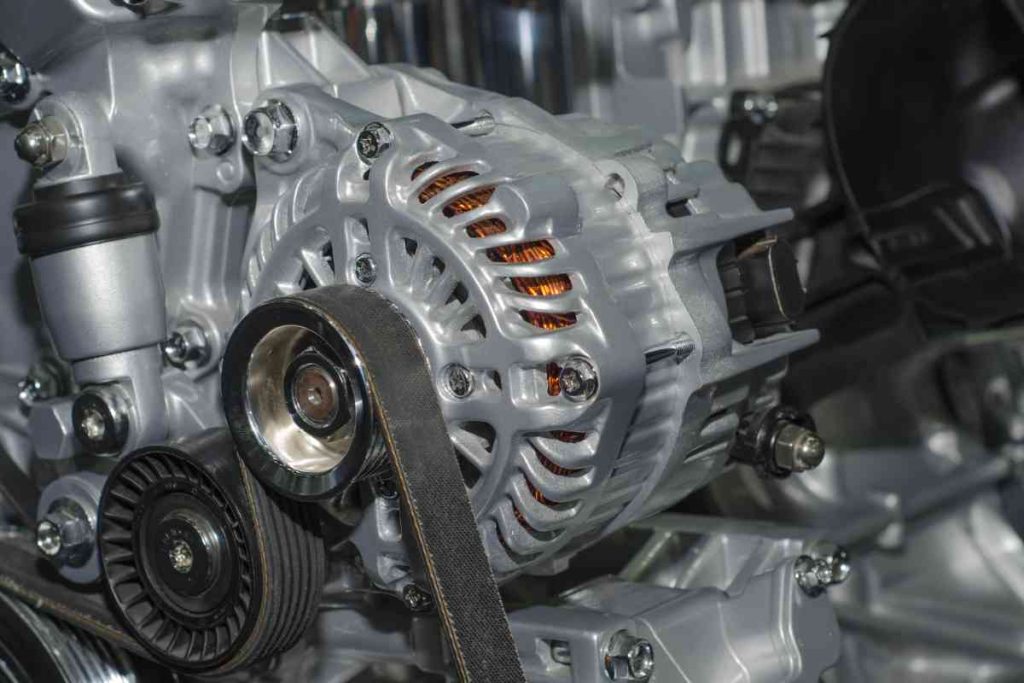
Alternators can fail suddenly or gradually, depending on the cause of the failure.
Alternators can suffer from many kinds of wear and tear, but the most common are gradual deterioration or sudden failure.
But in most cases, alternators fail dues to an internal failure of the induction generator.
The problem is: how do you read the signs your alternator is about to go rogue?
Read Also: Does Car Wax Go Bad? (How Long Does it Last?)
What Causes Alternator To Go Bad?
Your alternator is essential to your car’s electrical system, and you must know what causes it to go wrong.
Several factors can cause your alternator to fail; however, the most common cause is:
- Excessive vibration from your car’s suspension system. This can cause excessive wear on the alternator.
- The excessive electrical load on the battery causes it to short out and overheat. This could damage or destroy the alternator as well.
- A corroded grounding cable or terminal block in your vehicle’s chassis causes a current spike that damages both the battery and the alternator.
- Using jumper cables wrong
- Adding too many accessories to the charging system can cause it to overload
- Leaking fluid or a tight belt can damage bearings, failing the alternator.
Can A Bad Alternator Destroy A Battery?
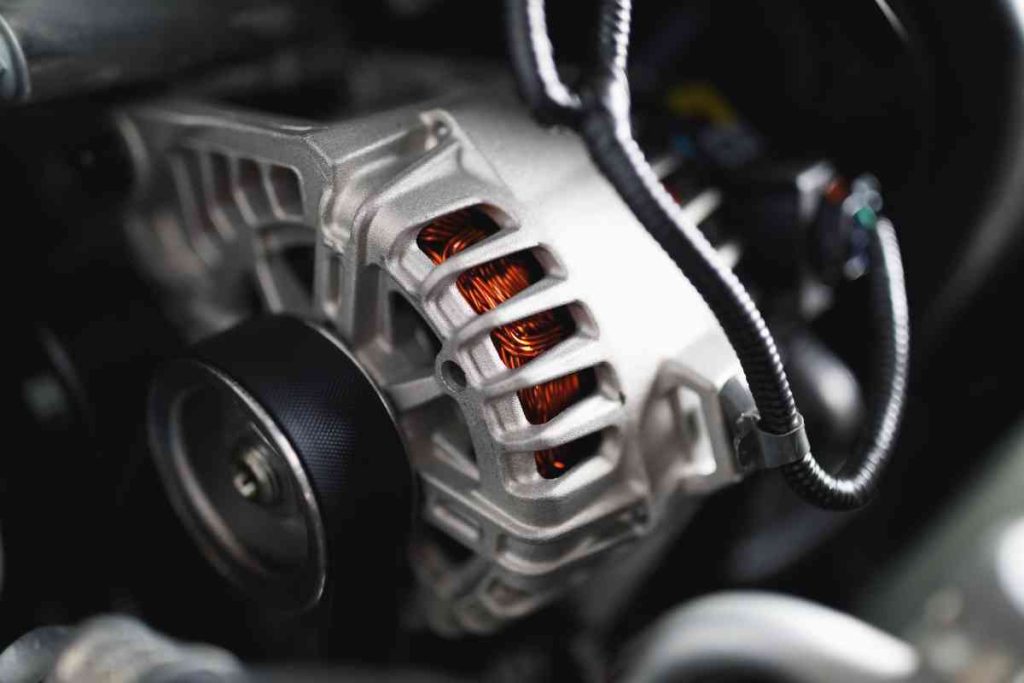
Battery death can be a scary thing. And YES, a lousy alternator could destroy a battery.
Let’s talk about what happens when an alternator fails.
When you turn on your car, it produces electricity that flows through the battery and then into your electrical system.
The electrical system comprises components like lights, gauges, power windows, and power locks.
It all has to work together to ensure everything works properly and efficiently.
When your alternator fails, it stops sending current to your battery.
And if a battery is not charged enough, it will lose power and eventually stop working.
What Is The Life Span Of An Alternator?
An alternator’s life span largely depends on the conditions it is exposed to.
The greater the number of hours it’s used and the more severe the conditions, the shorter its lifespan will be.
The Department of Transportation (DOT) has established guidelines for how long an alternator should last.
The rule of thumb is:
The lifespan of most alternators is between 80,000 and 150,000 miles (or about seven years).
These guidelines are based on a number of factors —including the climate it’s being used in and how often it’s turned on.
For example, if you’re using your car in warm weather with low humidity, your alternator may last longer than if you were driving through harsh winter conditions in a cold area.
It’s also important to note that exceptional circumstances like saltwater corrosion can shorten an alternator’s lifespan even further.
Conclusion
As you saw before, you can say, “this car won’t start,” you’ll need to confirm that the problem is indeed your alternator. If it isn’t, you’ve got more detective work to do.
But as we have seen, you can still drive the car for some minutes even with a lousy alternator —just that it is not advisable.
The worst that can happen is getting stranded on the road and having your car towed to a shop. If that’s not a bad enough scenario, you could be in an accident while driving an unsafe vehicle.
Related: