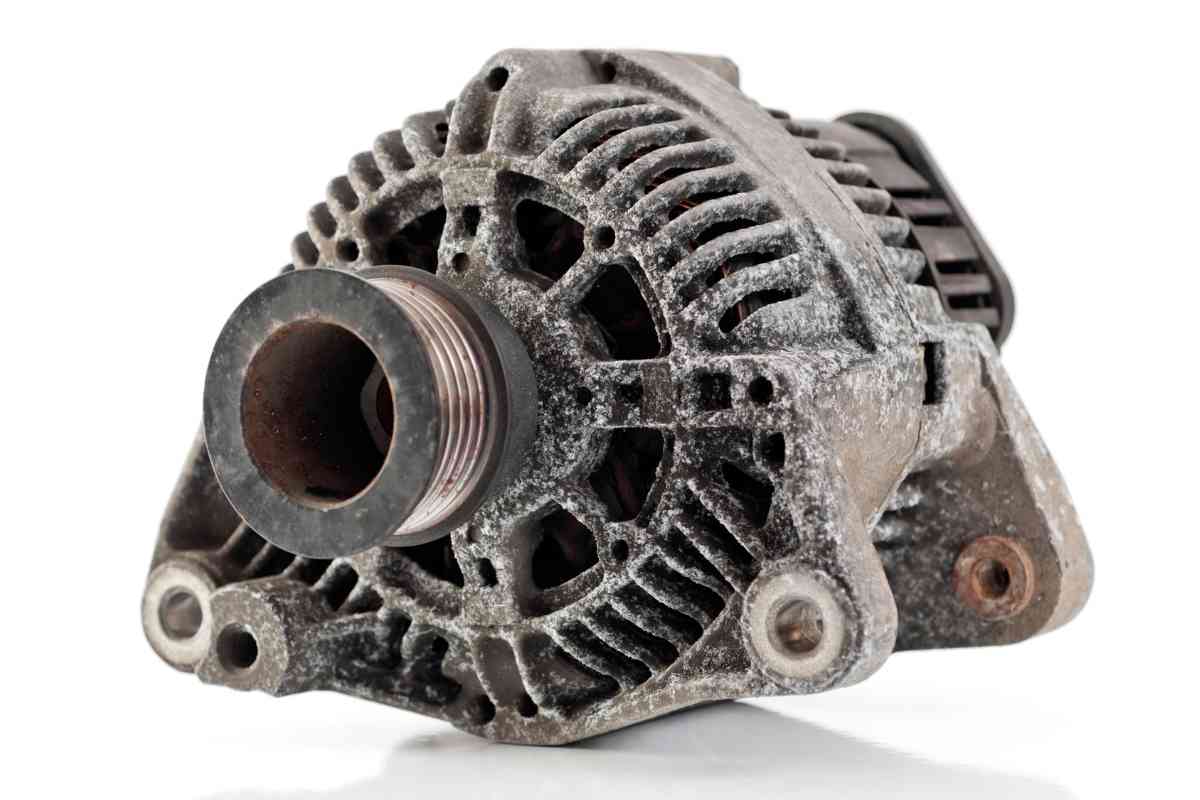
The alternator is a crucial component of your vehicle’s electrical system that helps power everything from your headlights to your stereo.
However, like any other part of your car, it can wear out over time, causing a range of problems that can affect your vehicle’s performance and leave you stranded on the side of the road.
From strange noises under the hood to dimming headlights and a dead battery, the symptoms of a bad alternator are hard to ignore.
Whether you’re a seasoned mechanic or a car owner who wants to stay informed, this guide will help you understand bad alternator symptoms and how to fix them.
Bad Alternator Symptoms You Should Never Ignore
The symptoms of a bad alternator can be very subtle, so it’s important to pay attention to them.
And if you’re experiencing any of these symptoms, you should have your car inspected by a mechanic as soon as possible.
1. Battery Warning Light
The appearance of the battery warning light on the dashboard is often seen as a problem with the battery itself.
However, this light indicates a potential issue with the broader electrical system of your vehicle, which includes the alternator.
Ideally, alternators should function within a voltage range of 13-14.5 volts voltage range.
So, if the alternator fails to operate effectively, its voltage may fall below the required level, which triggers the battery warning light on the dashboard.
Conversely, if the alternator voltage exceeds its intended range, the battery light will also turn on, depending on the strain it is under.
Depending on the electrical demand from various components in your vehicle, such as headlights, wipers, and radio, the battery warning light may flicker on and off as the alternator fluctuates in and out of the expected voltage range.
While this may seem like a minor inconvenience, it’s crucial to have your alternator checked by a professional rather than risking a breakdown on the road.
2. Dimming Lights
When the alternator begins to fail, it can cause inconsistencies in the voltage output, leading to problems with the electronic accessories.
One of the most common symptoms of a failing alternator is under or over-performing equipment, such as dim or highly bright headlights.
This is because the alternator is not supplying a consistent voltage to the lights, which can cause them to malfunction.
In addition to headlights, other electronic accessories like the radio, air conditioning, and power windows may also be affected.
In some cases, lights may also unpredictably alternate between being bright and dim, making it difficult to see while driving at night.
So, if you experience any of these symptoms, it is essential to have your vehicle inspected by a qualified mechanic to diagnose the problem and replace the alternator if necessary.
3. Dead Battery
Car batteries have a limited lifespan and will eventually need to be replaced.
Leaving your headlights or other electrical devices on when the engine is not running can also drain the battery, resulting in a dead battery when you try to start the car again.
However, if you experience a dead battery even when you haven’t left any devices on, it could indicate a problem with the alternator.
The alternator generates electricity to recharge the battery while the engine is running. If it fails, the battery can quickly run out of charge, leading to a dead battery.
So, jumpstarting the car can help determine whether the issue is with the battery or alternator. If the vehicle starts and remains running after jumpstarting, it’s likely a battery issue.
Lastly, if the car dies again soon after, it could indicate an alternator problem that needs to be fixed.
4. Strange Noises
Regarding cars, various unusual sounds can occur, some of which may not be a cause for concern, while others could be a sign of severe mechanical issues.
If you happen to hear growling or whining noises emanating from under the hood, it could be an indication of alternator problems, which should be addressed by a professional as soon as possible.
The growling or whining sound often occurs due to a misaligned or rubbing belt that turns the alternator’s pulley.
Also, this sound can be produced if the bearings that spin the rotor shaft deteriorate.
5. Electrical Issues
When the alternator fails to supply sufficient power to your car’s electronics, the accessories may become slow or non-functional.
Some electrical issues due to a faulty alternator include windows taking longer than usual to roll up or down, seat warmers feeling unusual, and speedometer and other instruments going haywire.
Additionally, some modern vehicles have a programmed priority list of equipment instructing the onboard computer to cut power to unnecessary accessories before critical ones, such as headlights, in case of a failing alternator.
6. Smell Of Burning Rubber
If you notice a foul burning smell of rubber or wires while driving your car, it could indicate that certain parts of your alternator are beginning to deteriorate.
Due to constant tension and friction, the alternator’s drive belt may wear out over time, causing it to emit an unpleasant burning rubber odor, primarily since it’s located near the hot engine.
Similarly, if the alternator is working too hard if its wires are frayed or damaged, you may smell a burning odor similar to an electrical fire.
Overworking the alternator pushes too much electricity through its wires, causing them to heat up unsafely and release a burning smell.
Also, damaged wires can cause resistance to the flow of electricity, leading to them heating up and emitting an unpleasant odor.
Frequently Asked Questions
What’s The Cost Of Replacing An Alternator?
The cost to replace an alternator varies depending on the make and model of your vehicle, your location, and the mechanic you choose.
On average, you can expect to pay between $300 to $500 for a new alternator installed by a professional mechanic. However, if you opt for a refurbished or rebuilt alternator, the cost can be significantly lower, ranging from $150 to $300.
So, it’s always a good idea to shop around and get multiple quotes before choosing a mechanic to ensure you’re getting a fair price.
Can A Bad Alternator Drain The Battery?
Yes, a bad alternator can drain the battery. When the alternator is not functioning correctly, it may fail to recharge the battery or provide the necessary power to the vehicle’s electrical system.
This can result in the battery being drained of power, causing the vehicle to stall or fail to start.
Therefore, if you suspect your alternator is terrible, it must be inspected and repaired or replaced as soon as possible to avoid further damage to your battery and electrical system.
How Long Does An Alternator Typically Last?
The lifespan of an alternator can vary depending on several factors, including the make and model of your vehicle, how often you drive, and how well you maintain your vehicle.
Alternators typically last between 80,000 and 150,000 miles or approximately 7 to 12 years.
However, some can last longer, while others may fail sooner due to various factors such as high heat, moisture, and lack of maintenance.
To ensure your alternator lasts as long as possible, it’s essential to follow your vehicle’s maintenance schedule and have it inspected regularly.
Can You Drive With A Bad Alternator?
Technically, you can drive with a bad alternator, but it’s not recommended. A bad alternator can cause your vehicle’s battery to die, leaving you stranded on the side of the road.
Additionally, a bad alternator can cause other electrical components in your vehicle to fail, such as the headlights, power steering, and even the engine.
So, if you suspect your alternator is terrible, it must be inspected and repaired or replaced as soon as possible to avoid further damage to your vehicle and ensure your safety on the road.
Conclusion
A bad alternator can cause various symptoms impacting your vehicle’s performance and safety.
From dimming lights to a dead battery, it’s essential to be aware of the warning signs and take action as soon as possible.
If you’re experiencing any of the symptoms we’ve discussed, it’s crucial to have your car inspected by a qualified mechanic who can diagnose the problem and recommend the appropriate repairs.
Remember, addressing a bad alternator early can save you time, money, and stress.
So, don’t ignore the warning signs and keep your car running smoothly by taking care of this crucial component.
Related: