One of the most important factors to consider when buying a car is how long it will last.
No one wants to invest in a vehicle that will break down and need costly repairs after a few years.
That’s why we’ve taken a closer look at the 3 Car Life Expectancy by Model to help you make an informed decision when shopping for your next ride.
From compact cars to SUVs, we’ll explore the life expectancy of three popular models and give you the inside scoop on which ones are built to last.
So, prepare to find out which cars can stand the test of time and which might not be worth the investment.
Car Life Expectancy By Model
So below are the top 3 car life expectancies by model. We discussed their reliability, durability, designs, and technology the car has.
Among other things, a frequently asked question underneath this section addresses some of the disturbing questions about the topic. So without further ado, let’s dive into:
1. Honda Civic
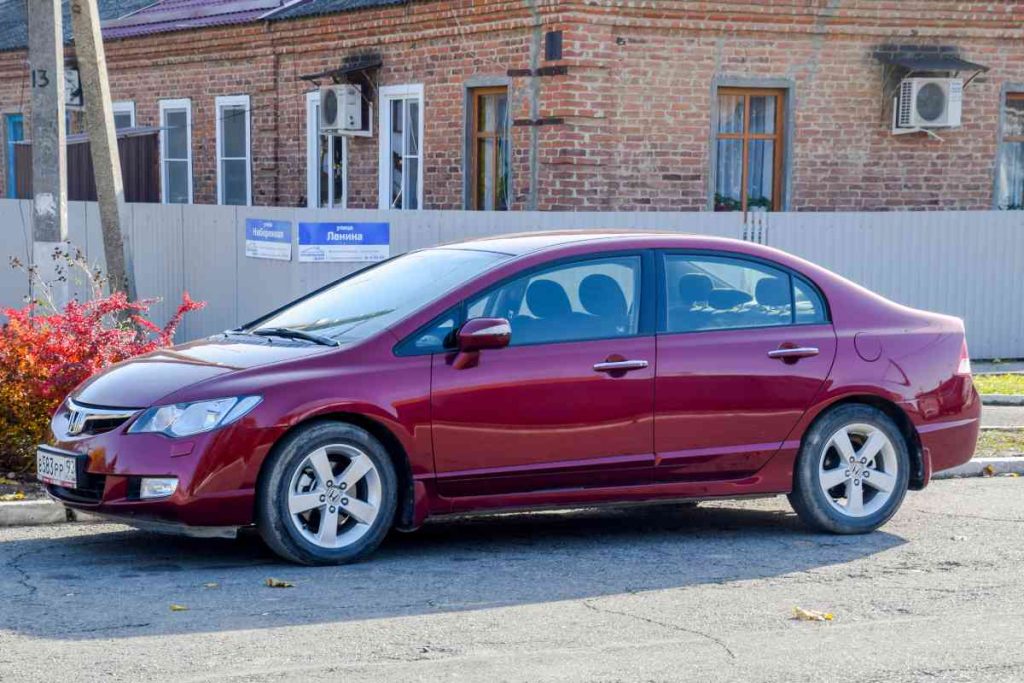
The life expectancy of a Honda Civic is mainly dependent on various factors. The model year, maintenance history, and driving conditions are among the most significant determinants of a Honda Civic’s life expectancy.
Nevertheless, Honda Civics are generally recognized for their reliability and durability. They are frequently praised for their low maintenance needs and for being able to cover many miles without any significant issues.
With proper care and maintenance, a Honda Civic has the potential to last for over 200,000 miles. For example, the 2006 Honda Civic has been reported to stay up to 300,000 miles or more.
However, the newer models may not be as long-lasting as the older models due to their increasingly complex technology and design, which can result in higher repair costs.
Regular maintenance is critical to prolonging a Honda Civic’s life. Routine tasks, such as oil changes, air filter replacements, and tire rotations, should be done on schedule, as the manufacturer recommends.
Honda Civics are known for their reliability and longevity, with many lasting for 15 years or more. As with any vehicle, proper care and maintenance are crucial to keeping a Honda Civic running well and for as long as possible.
A Honda Civic can provide dependable transportation for many years with the correct maintenance and attention.
2. Toyota Camry
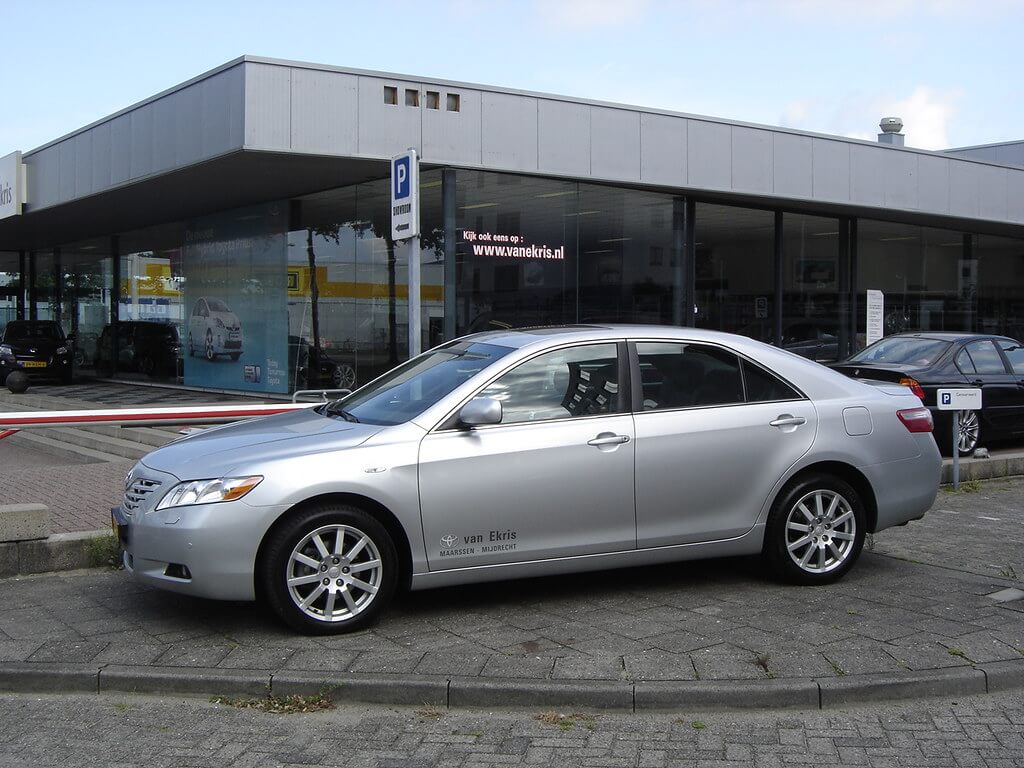
The Toyota Camry is one of the most popular and reliable sedans. With its reputation for longevity and dependability, many car buyers choose the Camry for its expected long lifespan.
On average, the life expectancy of a Toyota Camry is around 200,000 miles or 16 years, but this can vary depending on factors such as maintenance, driving habits, and driving conditions.
A Camry can last even more than 200,000 miles with proper maintenance and care.
Regular maintenance is essential to keep a Camry running smoothly for an extended period. This includes oil changes, tire rotations, and other routine services Toyota recommends. Following these guidelines will help keep the Camry in good condition and help prolong its lifespan.
It’s also important to consider the driving habits of the owner. Hard driving, aggressive acceleration, and uneven braking can strain the engine, transmission, and other components, potentially shortening the vehicle’s life.
3. Ford F-150
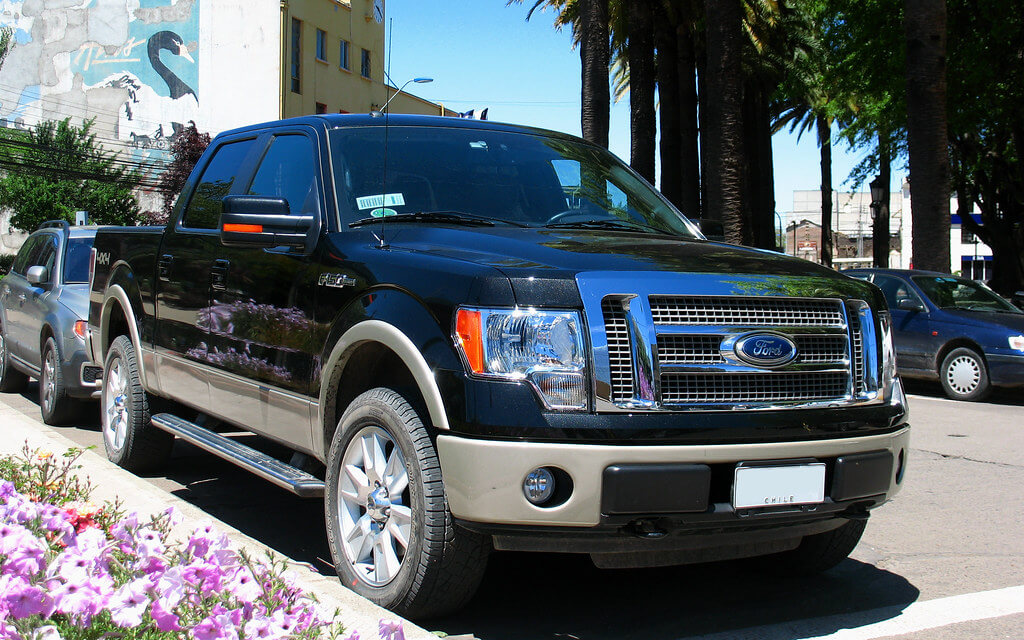
The Ford F-150 is a popular full-size pickup truck known for its powerful performance, versatility, and durability.
With proper maintenance and regular service, a Ford F-150 can last up to 15 years or more, with some reaching up to 300,000 miles or more.
However, it is essential to note that certain parts of the truck, such as the engine, transmission, and suspension components, may require repairs or replacements over time.
Regular oil changes, tire rotations, and brake inspections are crucial to extending the life of the truck.
Additionally, addressing any issues or warning signs as soon as they arise can prevent more significant problems.
Driving conditions can also affect the life expectancy of a Ford F-150. Frequent towing or hauling of heavy loads can put additional strain on the engine and transmission, potentially shortening the lifespan of these components.
Ultimately, the life expectancy of a Ford F-150 depends on how well it is maintained, the driving conditions it is subjected to, and how frequently it is used.
Therefore, with proper care and attention, an F-150 can last many years and provide reliable performance for its owner.
Related: Cars With The Longest Lifespan
Frequently Asked Questions
What Is The Average Life Of A Regular Car?
The average life expectancy of a car is about 12 years, but this can vary depending on several factors.
These factors include the make and model of the car, the quality of maintenance it receives, and driving habits.
Some cars may last well beyond the 12-year mark with proper maintenance and care, while others may experience mechanical issues and breakdowns before reaching the 12-year mark.
Maintaining your car and addressing any mechanical issues as they arise is essential to prolong its lifespan and get the most value from your investment.
What Should I Do If My Car Needs A Major Repair?
If your car needs a major repair, it’s essential to weigh the repair cost against the vehicle’s value.
A good rule of thumb is that if the repair cost is more than half the car’s value, it may be more cost-effective to replace the car rather than invest in the repair.
However, if the car is in good condition and has much life left, it may be worth repairing.
So, it’s essential to consult with a trusted mechanic and weigh all your options before deciding.
Is It Worth Buying An Older Car With High Mileage?
Buying an older car with high mileage can be a good value if the vehicle is in good condition and has been well-maintained.
However, it’s essential to have the car inspected by a mechanic before purchasing it to ensure it has no serious mechanical issues.
Cars with high mileage may have more wear and tear on their engines and other components, but good maintenance and care can offset this.
If you’re looking for a reliable car and don’t mind a few cosmetic blemishes or other minor issues, an older car with high mileage may be a good choice.
Just do your research and shop around for the best value.
How Can I Tell If A Car’s Life Expectancy Has Been Shortened?
If a car has been poorly maintained, its life expectancy can be significantly shortened.
One way to tell if a car has been poorly maintained is to look for signs of neglect, such as worn or mismatched tires, a dirty or disorganized engine bay, and dirty or worn interior upholstery.
If the car has visible rust or other signs of corrosion, this may be a sign that it hasn’t been adequately cared for.
You can also check the car’s maintenance history to see if it has been serviced regularly and on time.
If there are gaps in the service history or the car has not had essential maintenance items like oil changes or brake inspections, this may be a sign that the vehicle has not been well-maintained.
Another indicator of poor maintenance is if the car has a lot of mechanical issues or breakdowns, as these can often be attributed to a lack of regular maintenance.
So, it’s important to carefully inspect a used car before making a purchase and to have a trusted mechanic inspect it to ensure you’re getting a maintained and reliable vehicle.
How Much Do Driving Habits Affect The Life Expectancy Of A Car?
How you drive your car can have a significant impact on its life expectancy. Aggressive driving, such as rapid acceleration and hard braking, puts more strain on the engine and transmission, leading to premature wear and tear.
Excessive idling can also reduce the life of your car’s engine, as it causes the engine to run longer without proper lubrication.
On the other hand, smooth driving habits, such as gentle acceleration and braking, can help your car last longer.
Furthermore, consistent maintenance, including regular oil changes, tire rotations, and tune-ups, also plays a crucial role in extending the life of your car.
Driving your car responsibly and taking care of it through routine maintenance can significantly increase its life expectancy and reduce the likelihood of costly repairs.
Conclusion
After exploring the life expectancy of these popular car models, it’s clear that some vehicles are built to last longer than others.
When making your next car purchase, be sure to take into account the life expectancy of the model you’re considering.
While routine maintenance and driving habits can undoubtedly impact your car’s longevity, choosing a vehicle known for its reliability is essential.
Based on our findings, we recommend considering the Toyota Camry, Honda Civic, and Ford F-120, as they all have a reputation for lasting well beyond 200,000 miles with proper care.
So, whether in the market for a sleek sedan or a versatile SUV, choose a car that will take you the distance and save you money in the long run.
Related: