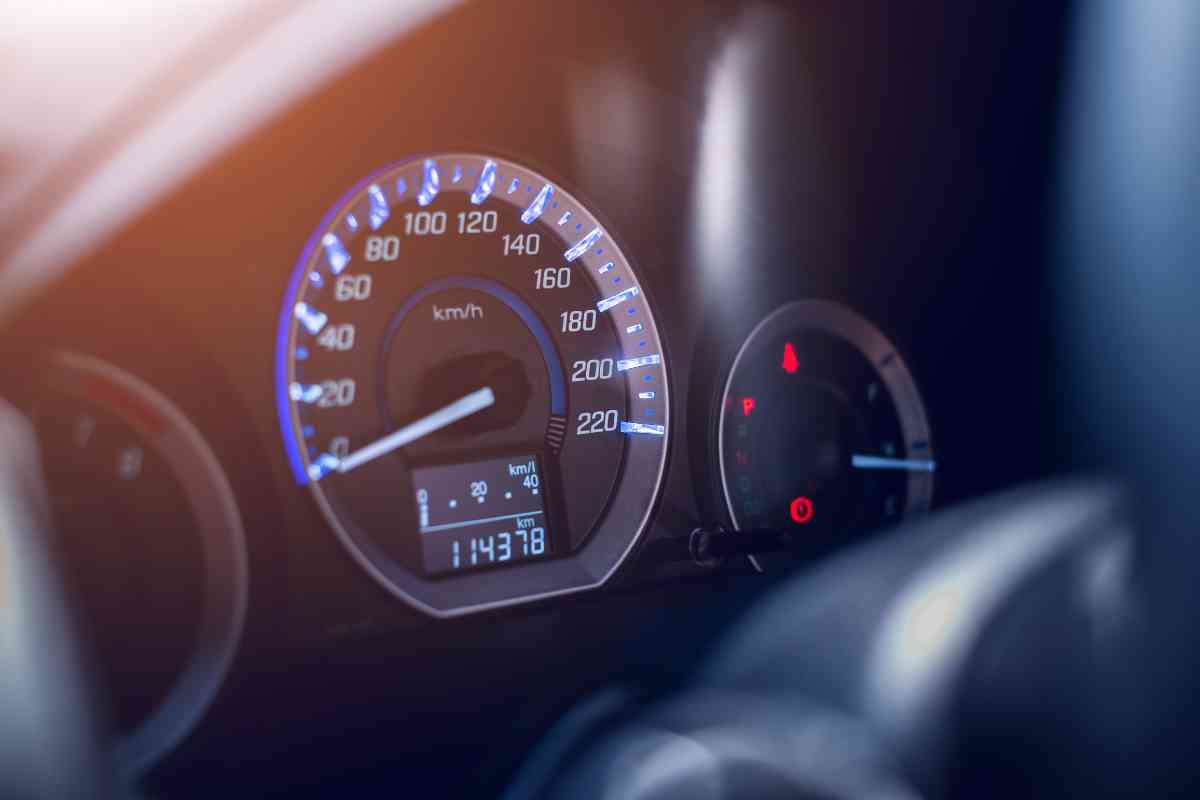
Are there risks of buying old car with low mileage?
Of course, it sounds like a brilliant idea to buy a used car with relatively low mileage —one, it is affordable, and secondly, the mileage is still younger in terms of usage.
However, certain risks come with buying old cars with low mileage.
Older vehicles are more prone to wiring, fuel pump, and transmission problems. But leaks such as transmission fluid leaks and head gasket leaks are more predominant.
Also, you are likely to have issues with fuel efficiency and many more.
Below, we will go in-depth on the fate of buying an old car, even with low mileage.
What Is A Low Mileage?
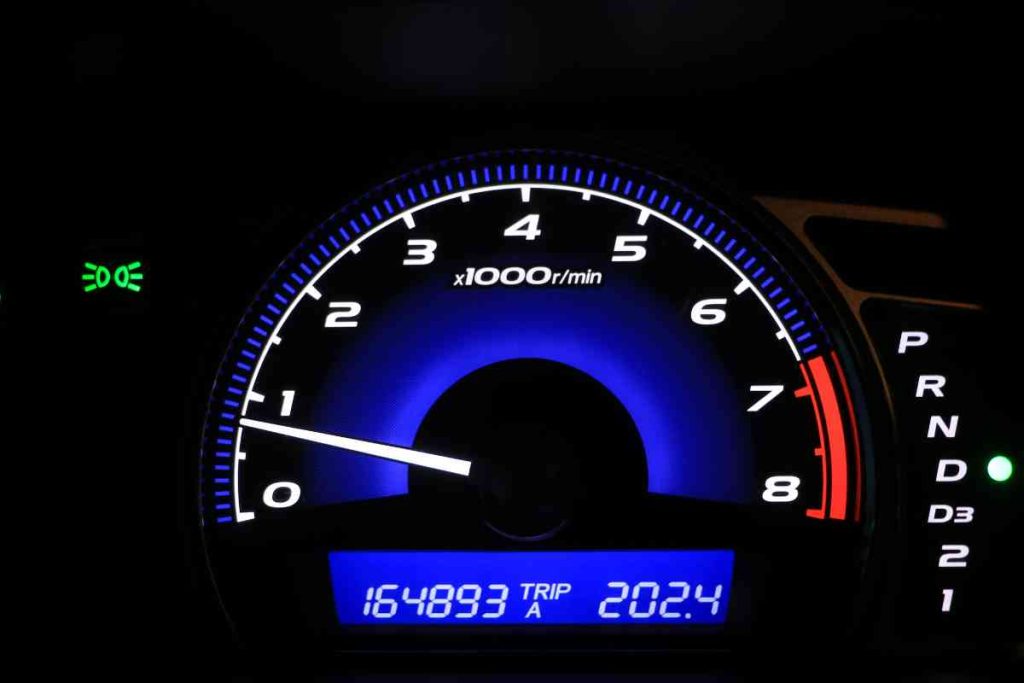
Low mileage is a term that refers to a vehicle that has been driven less than 9000 to 12,000 miles.
This is a relatively low number for a car because it is still in good condition and has not been abused.
Low-mileage cars are typically more reliable than those with higher mileage, which can cause issues like engine failure or transmission problems.
But have you ever wondered what causes poor mileage?
It’s frustrating to drive a car or truck that isn’t running at peak efficiency. You know it immediately—you see your gas mileage drop, and you’re losing money!
However, the problem usually stems from multiple sources, and many are mechanical causes, such as:
- Incorrect Tire Pressure
- Spark Plugs
- Bad Oxygen Sensors and Air Filters
- Driving Habits
- Bad Fuel Injectors
- Air Conditioner
- Motor Oil
- Idling
Risks Of Buying Old Car With Low Mileage
There are a few risks in buying an old car with low mileage. Here are a few worth remembering:
1. Odometer Alterations
Odometer fraud is common on older cars, so it’s essential to have a mechanic inspect the vehicle and ensure that its odometer reading hasn’t been altered.
Twelve thousand miles per year is the average for cars in this category; if the previous owner drove less than that on average—or more—be suspicious.
One way to determine a car’s average mileage is to run its history report through CarFax or AutoCheck.
These reports will show you the vehicle’s yearly miles and any accidents or significant repair work that has been performed on it.
2. Fuel Efficiency
The older a car is, the less fuel-efficient it tends to be. This can make an older car more expensive than a newer one if you use your vehicle for long distances or often drive on highways.
The more fuel-efficient cars are, the less it costs to fill up at the gas station.
So if you’re considering an older car, find out its miles per gallon (MPG) rating before you buy—that way, the cost of filling up will be easier to estimate compared to newer models’ MPG rates.
3. Minor Issues
Rusting may occur if the car isn’t properly maintained or stored outside for an extensive period.
This will damage the body and paintwork even with minimal moisture exposure and can be very difficult to repair once extensive damage has occurred.
In addition, older vehicles are prone to leaks, which various parts of the car can cause—but head gasket and transmission fluid leaks are the most common.
4. No Warranty Coverage
Depending on the make and how old the car is, there may not be any warranty coverage.
And if repairs are needed, and no such coverage exists, owners will have to pay out-of-pocket for costly fixes.
Fortunately, one surefire way to dodge this risk is to consider certified pre-owned (CPO) vehicles.
These are used cars that have been inspected by the manufacturer and come with extended warranties.
This then protects you in case something goes wrong during your time together.
Related: Car Bounces While Driving At High Speed (Top 5 Reasons)
Frequently Asked Questions
What Are The Pros And Cons Of Using A Second-Hand Car?
You can boast of the affordability! Used cars are not only is it less expensive, but it also means that you will have more options when choosing a model and color.
Also, second-hand car insurance rates are lower.
Because cars depreciate over time, insurance rates for second-hand vehicles are lower than for new ones.
However, some companies reject applications from car owners who have not owned their vehicles for more than ten years.
Aside from that, you can easily customize your car.
Because the warranty on a new car expires in three to five years, modifying it will void its warranty.
However, if you buy a second-hand vehicle that’s past this period and has no remaining warranty, you’re free to “pimp” your ride.
This allows you to personalize your vehicle without worrying about invalidating the manufacturer’s warranty.
On the contrary, some hidden problems come with old vehicles.
Used cars may be cheaper, but the costs of maintaining them can go up unexpectedly.
And because of its aging parts, a used car must be periodically maintained at great expense. Thus be ready to break the bank a couple of times.
If you have an older car, the availability of parts can be a huge factor in your decision about whether or not to buy it.
Hard-to-find parts are needed and aren’t available domestically. That could mean either paying through the nose for them from specialty outlets or importing them—which is usually very expensive.
And lastly, older cars need to have updated technology/features.
What Is The Most Common Problem In Cars?
The most common problem in cars is the need for more maintenance.
To keep your car running smoothly and efficiently, you must ensure that it’s being taken care of.
This means you need to change the oil and other fluids regularly, use quality filters, and do other things that help keep your vehicle running smoothly.
But time and time again, issues like bad batteries, ignition coils and spark plugs, fuel system issues, tire troubles, and exhaust system problems might prick up.
What Is The Best Age Of A Used Car?
The best age of a used car is one that still has a lot of life left in it —probably 2-3 years.
Used vehicles of this age are still in their prime.
They have this retaining “like new” quality intact with less depreciation rate. This still makes them valuable.
What Are The Factors To Consider When Buying A Used Car?
The condition of the vehicle is undoubtedly one of the most critical factors that drive the purchase of a used car.
You want to ensure it is in good condition and has no major mechanical issues.
Trust me; you want to avoid inheriting the previous user problems.
It would be best if you also noted any recalls on the vehicle before signing any paperwork or taking delivery.
But it stretches more than just the condition of the car, though.
You also put fuel efficiency, safety, low price, driving comfort, design, and good warranty/customer service into perceptive.
What’s The Cheapest, Most Reliable Used Car?
There are plenty of used cars out there that are both cheap and reliable. Here are a few with the best low mileage:
- 2011 Nissan Versa
- 2009 Nissan Sentra
- 2008 Mazda6
- 2008 Ford Focus
- 2006 Honda Civic
- 2005 Toyota Corolla
- 2005 Honda Accord
- 2005 Toyota Camry
Conclusion
For those still interested in buying used cars with low mileage, you must adequately investigate the vehicle’s history before deciding to buy.
Proper inspection should include knowing about previous accidents and ownership history and having the car inspected by a trusted mechanic.
It is true that cars (even used ones) with low miles tend to have more life left than vehicles with higher mileage, however, if it is properly maintained.
Thus, you still have to carry out a little bit of research.
But whatever the case may be, you won’t have better warranty coverage and peace of mind if you would if it were a new car.
Related: