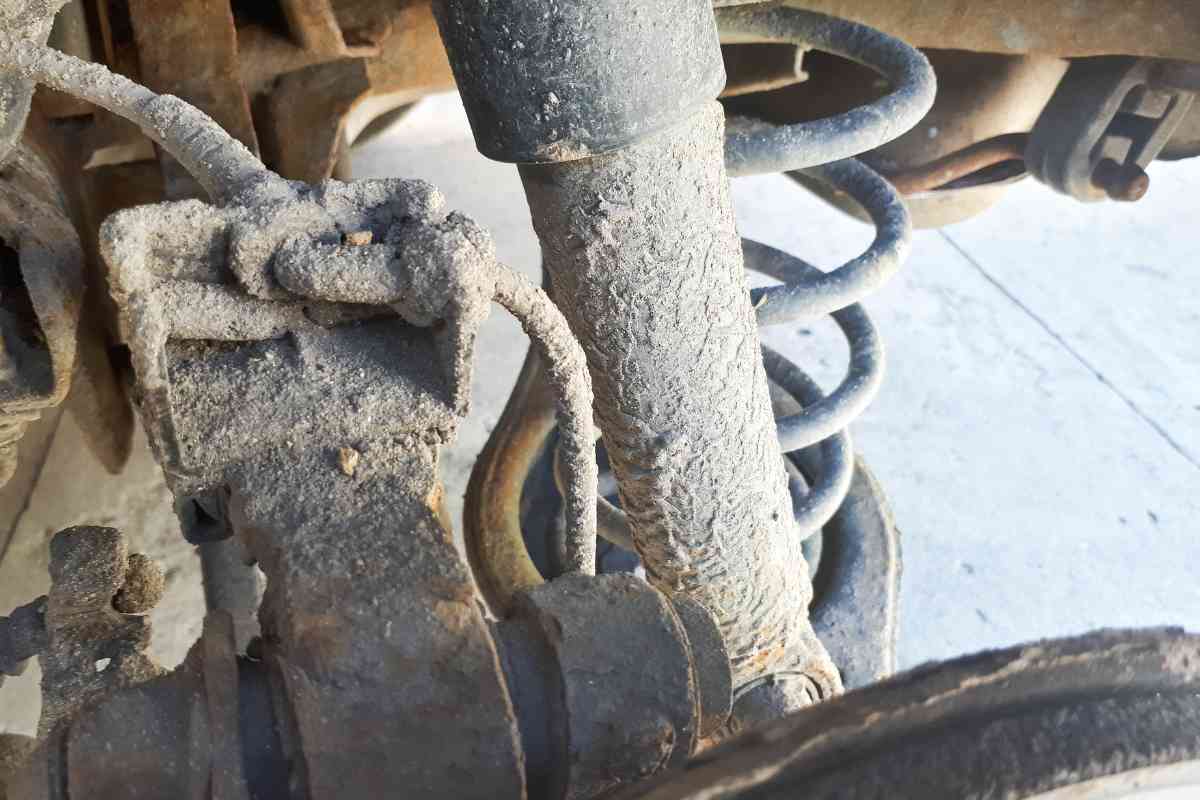
Have you ever noticed your car feeling bumpy and uncomfortable while driving down a rough road? That might mean your shock absorbers aren’t working correctly.
Shock absorbers are an essential part of your car’s suspension system. They’re responsible for making your ride smoother and more comfortable, especially on rough roads.
It can be frustrating and dangerous if your shock absorbers aren’t working correctly.
That’s why it’s essential to know the signs of shock absorber problems, no matter how experienced you are as a driver.
In this article, we’ll review some common shock absorber problems and how to spot them so that you can stay safe on the road.
Shock Absorber Problems
The most common problem with shock absorbers is that they lose their ability to absorb shocks. This happens when the rubber in the shock absorber becomes brittle due to age or harsh use.
Sometime it could be damaged by accident.
You’ll feel more bumpy rides than usual, and the ride will be more challenging on your body than it needs to be.
But that is just the tip. Below is the list of Shock Absorber Problems you’re likely to experience:
1. Poor Handling And Stability
Several issues, including problems with the shock absorbers, can cause poor handling and stability in a vehicle.
Shock absorbers are an essential component of a vehicle’s suspension system, which is responsible for maintaining the stability and handling of the car.
Shock absorbers absorb the energy the suspension system creates when the vehicle encounters bumps, potholes, or other road irregularities.
Without shock absorbers, the vehicle would bounce uncontrollably, causing a loss of stability and making it difficult to control the car.
When the shock absorbers are not functioning correctly, they can lead to poor handling and stability.
2. Uneven Tire Wear
Uneven tire wear is a common problem in vehicles and can be caused by several factors, including issues with the shock absorbers. They are vital to a vehicle’s suspension system and ensure the tires move evenly.
When shock absorbers are not functioning correctly, they can lead to uneven tire wear.
Uneven tire wear can have several negative consequences, including reduced traction, poor handling, and increased risk of a blowout or other tire-related issues.
To prevent uneven tire wear caused by shock absorber problems, it is essential to ensure that the shock absorbers function correctly and are maintained regularly.
If you notice any signs of uneven tire wear, such as bald spots or excessive wear on one side of the tire, it is essential to have the vehicle inspected by a qualified mechanic
3. Braking Issue
Braking issues are a critical safety concern in vehicles, and several factors, including problems with the shock absorbers, can cause them.
When the shock absorbers are not functioning correctly, they can cause several braking issues, including:
- Longer Stopping Distances: When the shock absorbers are worn out or damaged, they can cause the vehicle’s suspension system becomes unbalanced, leading to longer stopping distances. This can be a severe safety concern, particularly in emergency braking situations.
- Reduced Braking Performance: If the shock absorbers are not functioning correctly, they can affect the vehicle’s ability to brake effectively, leading to reduced braking performance.
- Uneven Braking: Uneven braking can be caused by problems with the shock absorbers, which can cause the vehicle’s suspension system to become unbalanced, leading to uneven pressure on the brakes.
- Vibration Or Shaking When Braking: Worn-out shock absorbers can cause the vehicle to vibrate or shake, which can be a sign that the braking system is malfunctioning.
4 Excessive Vibration
When shock absorbers wear out, they can no longer absorb vibrations and bumps, which can result in excessive vibration throughout the vehicle.
The vibration can be particularly noticeable when driving on rough roads or traveling high speeds.
Lastly, excessive vibration can not only be uncomfortable for passengers but can also cause damage to other parts of the vehicle, such as the suspension or steering components.
5. Fluid Leaks
Shock absorbers contain fluid that helps to absorb vibrations and bumps. When they wear out, the fluid may leak, which can cause several issues.
The shock absorber may become less effective, resulting in poor handling and stability, uneven tire wear, or excessive vibration.
Additionally, the leaked fluid can damage other vehicle components, such as the brakes or steering.
6. Rattling Noise
A failing shock absorber can produce a rattling noise, which may be particularly noticeable when driving over bumps or rough roads.
The noise occurs because the shock absorber can no longer effectively absorb the impact of the bump, resulting in the vehicle bouncing and rattling.
Finally, a rattling noise can annoy passengers and indicate a more severe problem with the vehicle’s suspension system.
Related: Front Wheel Bearing Noise Symptoms
How Often Should Shock Absorbers Be Replaced?
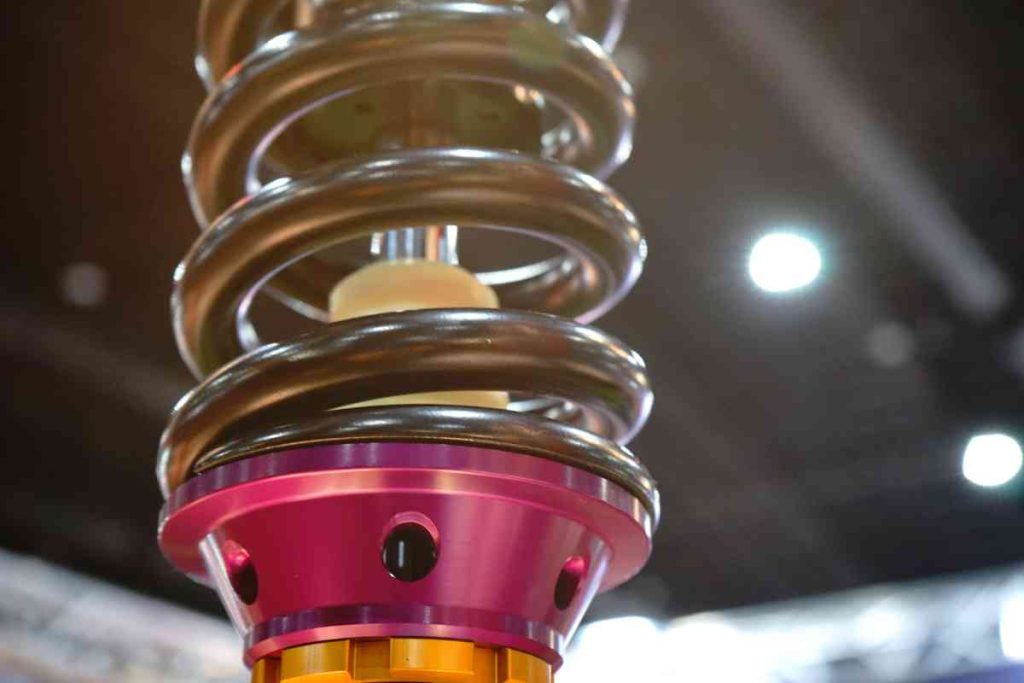
Shock absorbers, also known as struts or dampers, play an essential role in ensuring a smooth and safe ride in a vehicle.
Over time, they can wear out and lose their ability to absorb shocks and vibrations, reducing vehicle handling and increasing wear on other components. So, it’s essential to replace them at the appropriate intervals.
However, the typical lifespan of shock absorbers varies depending on the make and model of the vehicle, driving conditions, and the quality of the shock absorbers.
Therefore, as a general rule, they should be replaced every 50,000 miles (80,000 kilometers) to 100,000 miles (160,000 kilometers) or every 5 to 7 years, whichever comes first.
Can I Drive With Bad Shock Absorbers?
It’s not recommended to drive with bad shock absorbers as they can affect the safety and handling of your vehicle.
Shock absorbers are an essential part of your vehicle’s suspension system, which helps to absorb the impact of bumps and rough roads, providing a smooth and stable ride.
When shock absorbers are worn or damaged, they can cause your car to bounce excessively, reduce your braking ability, and cause your tires to wear unevenly.
They can also affect your vehicle’s stability and increase the risk of losing control on the road, particularly in emergencies.
Therefore, having them checked and replaced as soon as possible is crucial. Driving with nasty shocks can compromise your safety and the safety of other road users.
How Much Does It Cost To Replace Shock Absorbers?
The cost of replacing shock absorbers can vary depending on several factors, such as the make and model of your car, the quality of the shocks, and the mechanic’s location.
The cost can range from $250 to $900 per pair, including parts and labor.
High-end performance shocks can be more expensive, and luxury cars may have higher labor costs due to their complexity.
Also, the price may vary depending on whether you replace all four shocks or just the front or rear pair.
It’s essential to have a professional mechanic inspect your shocks and provide an accurate estimate of the cost of replacement based on your specific vehicle and driving conditions.
Can I Replace The Shock Absorbers Myself?
While it’s possible to replace shock absorbers yourself, it’s only recommended if you have experience and the proper tools.
Replacing shocks can be dangerous and requires specialized knowledge and equipment, such as a spring compressor.
A mistake during the replacement process can cause severe injury or damage to your vehicle.
It’s best to have a professional mechanic replace your shock absorbers to ensure your safety and car longevity.
Conclusion
In conclusion, shock absorbers are critical in ensuring a smooth and safe ride in your vehicle.
Regular inspection and maintenance of your shock absorbers can help prevent problems like leaks, worn-out components, and reduced performance.
If you suspect any issues with your shocks, it is essential to have them checked by a qualified mechanic as soon as possible.
Failure to address shock absorber problems can lead to various issues, including reduced handling, increased wear on other suspension components, and even loss of control while driving.
Therefore, we recommend you inspect your shock absorbers regularly and replace them when necessary.
Related: