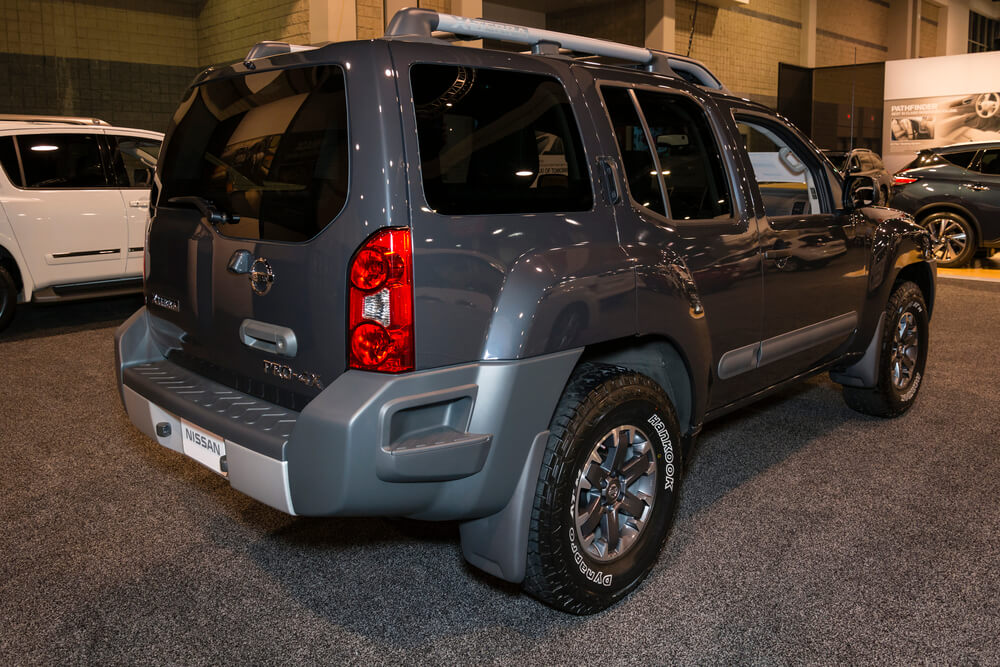
The Nissan Xterra has a great reputation for being a strong, capable off-roader with a good blend of luxury and performance.
But not all that glitters is gold!
If you’re planning to purchase a Nisan Xterra sooner or later, we have some bad news.
The truck-based compact SUV isn’t just aging in style; there are some Nissan Xterra years to avoid between 2005 and 2008.
These years’ models are the worst and most problematic. They have had thousands of complaints and have been recalled.
Below we will take a closer look into each of these models and why they are so hated.
Nissan Xterra Years To Avoid
Don’t get me wrong, Nissan Xterra has an excellent reliability rating and ranks 9th out of 32 car brands.
Although it’s hard to go wrong with Nissan’s defunct SUV line, you don’t want the most unreliable models when buying a used Xterra.
Here are the years of Nissan Xterra that you should avoid like the plague:
- 2004 Nissan Xterra
- 2005 Nissan Xterra
- 2006 Nissan Xterra
- 2007 Nissan Xterra
- 2008 Nissan Xterra
Each of these models is a sponge in your bank account. And let me prove it to you:
1. 2004 Nissan Xterra
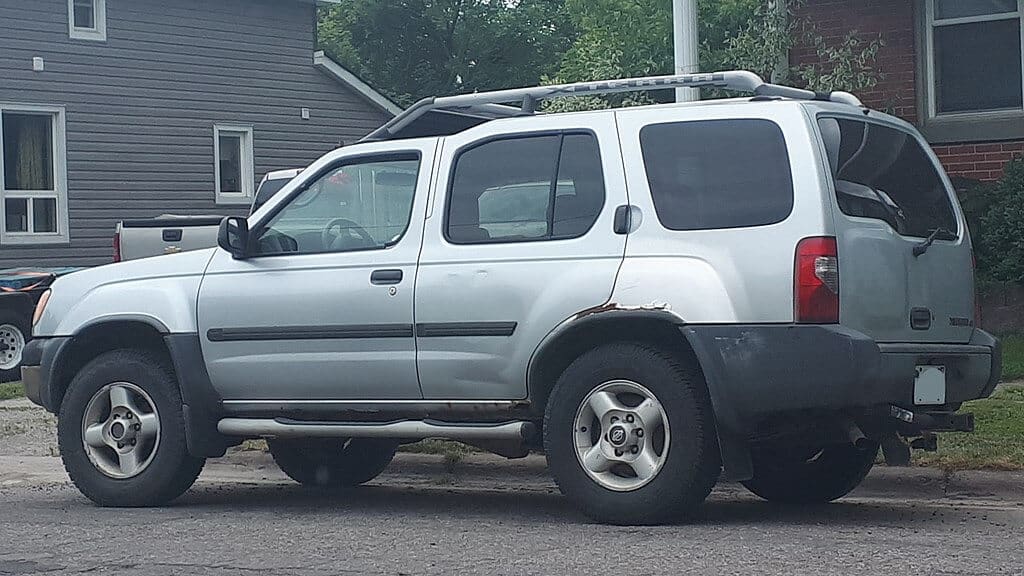
The 2004 Nissan Xterra is a versatile SUV that can do it all.
It houses a 3.3-liter V-6 that churns out 180 hp in standard form and about 210 hp when supercharged. This vehicle has enough power to drive quickly and efficiently in any weather conditions.
The 2004 Nissan Xterra has a relatively clean bill of health; it received only 124 complaints on Car Complaints. But there are still some issues to consider before you buy one.
2004 Xterra owners complain that their radiators crack and leak fluid into the transmission system.
This problem is common in models with high mileage —like the 2004 and fixing it will cost you around $4,000+.
That is a whopping price for a repair!
On top of that, most owners have reported faulty transmissions on this model, which may fail around 80,000 miles.
Among other things, the 2004 Xterra has less-than-perfect crash test ratings. This could be a turn-off characteristic for you if you value safety.
2. 2005 Nissan Xterra
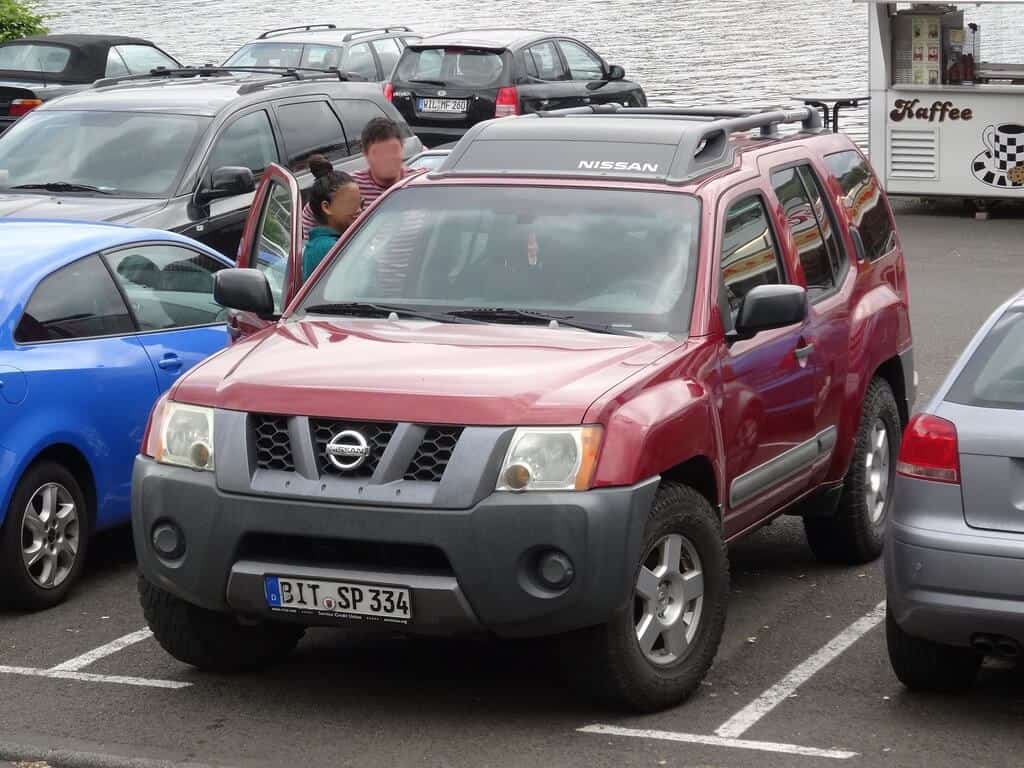
The 2005 Xterra is the most problematic year for this SUV model.
With a whopping six recalls and more than 400 complaints, it’s no surprise that many auto industry experts warn against purchasing any of these vehicles.
Like the 2004 model, Nissan’s 2005 Xterra is plagued by a widespread radiator defect that causes coolant to leak into the transmission system. This results in a transmission failure.
In addition, many Pathfinder and Frontier models are defective in the same way. And this led to a class-action lawsuit against Nissan.
In some cases, customers said that when they shifted into gear while on the highway, they experienced jerking and jolting.
And in other instances, drivers reported that once they were in first gear, it was impossible to shift out of it.
And the majority of them paid an average of $2,500 to get this problem fixed in auto repair shops.
3. 2006 Nissan Xterra
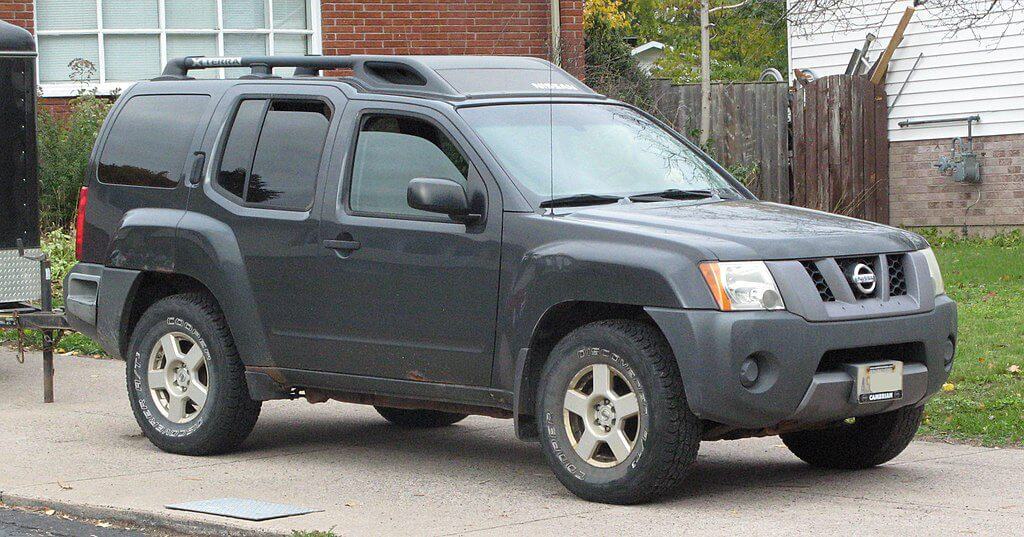
While the 2006 model has fewer complaints than its predecessor, it still contains significant flaws that can’t be ignored.
It has 225 complaints and five recalls.
For instance, the leaky radiator problem persists in Nissan’s 2006 Xterra. And once the transmission fluid is exposed to pink coolant, your transmission will fail outright and require a replacement radiator.
Drivers affected by this widespread defect have paid an average of $3,950 for repairs.
But that is not the worst-case scenario.
The most serious reported problem with the 2006 Xterra is a defective timing chain that causes a high-pitched whine from the engine.
4. The 2007 Nissan Xterra
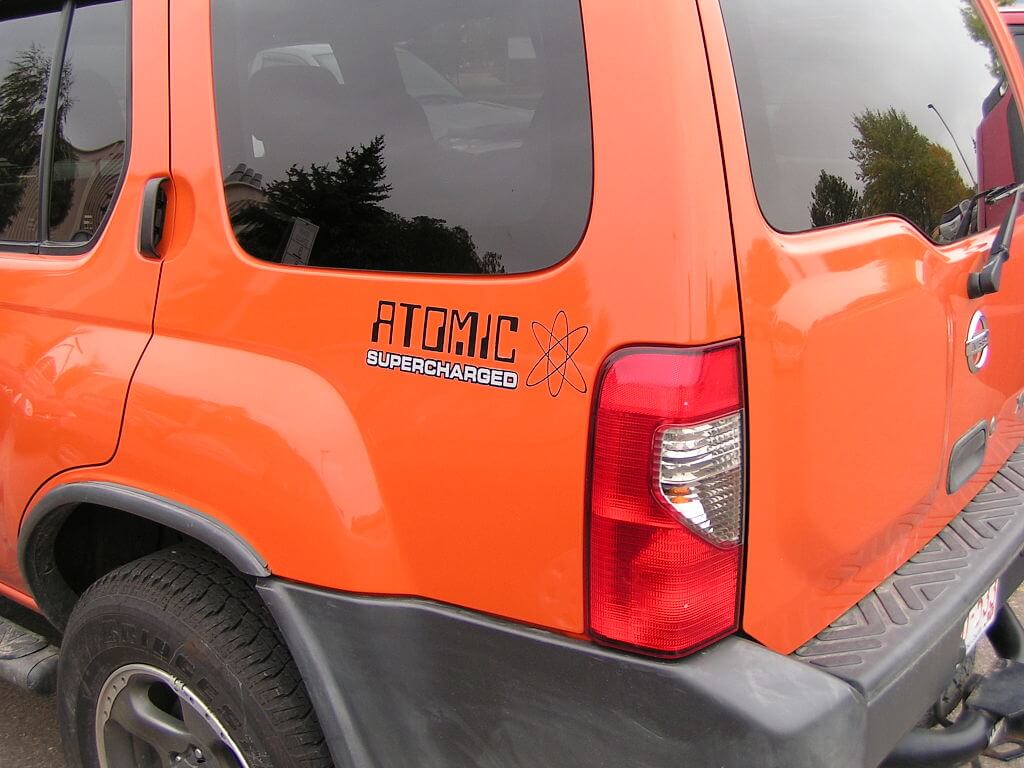
Avoid the 2007 Xterra too. It has inherited several significant issues from previous models and has 219 complaints, two recalls, and the “Avoid Like the Plague” dishonorable badge by so many experts.
The most common problem with the 2007 Xterra is a coolant leak that causes pink stuff to drip onto the transmission.
This liquid has been given several nicknames, including strawberry milkshake of death or SMOD—which makes sense because it’s red and tastes like strawberries! But don’t taste it.
Another issue affecting 2007 Xterra owners was the vibrating or shuddering sensation as you accelerated to higher speeds.
The condition could get bad enough to cost upwards of $2,700.
5. 2008 Nissan Xterra
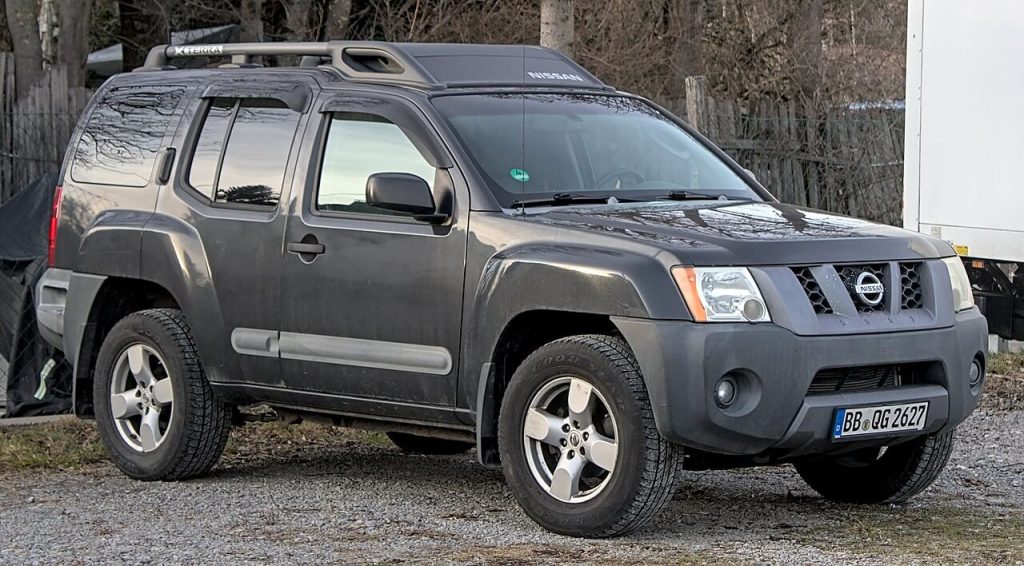
Photo by Alexander Migl via Wikimedia
They made us believe the 2008 Nissan Xterra is a great choice if you’re looking for a reliable vehicle to get you where you need to go.
However, that is not the case.
For owners, the 2008 Xterra is also a huge burden. It still adopted the SMOD issue from its predecessors.
Leaking coolant is a common problem for the 2008 Xterra.
There are fewer complaints about this issue than in 2007, but it still appears around 110k miles, so if you’re buying a used model under that threshold, this problem becomes predominant.
And the repair for the problem is more expensive, with a $5,100 typical repair cost.
If you can, avoid buying a 2008 and the 2004 Xterra and buy one of the models we’ve listed below instead.
Common Nissan Xterra Problems
If you own a Nissan Xterra, you should be aware of the problems because almost all models are prone to it:
1. Defective Fuel Level Sensor
The Nissan Xterra’s fuel level sensor is an important part of the engine control system.
The sensor monitors how much fuel is in the tank and alerts the engine when the tank is getting low. If this sensor fails, it can cause a range of problems.
And Xterra owners have complained of faulty fuel gauge sensors leading to inaccurate readings.
It’s frustrating when you think you still have a half tank left, and then the car dies because it’s out of gas—a problem that is quite common among 2001-2011 Xterra models.
2. Leaky Radiator
Leaky radiator problems are common in the Nissan Xterra. And the 2005 Xterra is the most prone to this problem.
It can be caused by several things, including a cracked radiator, an inoperative fan belt, and even a bad thermostat.
The radiator leak may continue even after you tighten the cap, but if addressed quickly, you can repair only the lower intake manifold. This issue could lead to transmission failure if addressed sooner, though.
3. Transmission Failure
The transmission is known for slipping and stalling at highway speeds or even driving down steep hills on mountain roads in the Nissan Xterra —especially in the 2005 model.
The radiator is the main cause of transmission problems in the Xterra. And rebuilding or replacing a failed transmission can cost thousands of dollars.
4. Fuel Injector Failure
The fuel injector is responsible for pumping fuel into the engine, so when it stops working properly, your vehicle won’t run as efficiently or effectively as normal.
This can cause problems with acceleration, running out of gas quickly, or just generally not being able to perform like you think it should.
Several Xterra models have been plagued with problems related to their fuel injectors.
And aside from the problems mentioned, the malfunctioning of this component can cause several issues, including misfires and loss of power.
The good news is: the vehicle will detect whether one of the fuel injectors is faulty, causing it to set off a check engine light.
Then you can approach it from there.
Related: 2000 Volkswagen Jetta VR6 Problems
Best Nissan Xterra Years To Buy
Since we discussed Nissan Xterra years to avoid, you might be wondering about the best models to buy.
Well, the models with good track records are from:
- 2009 Nissan Xterra
- 2010 Nissan Xterra
- 2011 Nissan Xterra
- 2012 Nissan Xterra
- 2013 Nissan Xterra
- 2014 Nissan Xterra
Consider them old now. But at least they won’t cost you a lot of major repairs. They are the very best Nissan Xterra years worth the money.
How Long Can An Xterra Last?
Hi Lotuscat, A regular and consistent maintenance schedule will keep your Xterra running for 200,000 miles.
You can have an 8-year-old Xterra that’s run 155,000+ miles without much trouble.
However, some factors will affect the length of time your vehicle can function smoothly before breaking down.
For instance, if you live in a harsh climate where road salt is frequently used, this could put additional strain on your engine and transmission components, leading to premature failure or breakdowns earlier than expected.
Also, how even you drive can affect your vehicle’s lifespan.
Which Vehicles Have The Longest Lifespan?
The most durable vehicles have been built to withstand the test of time, and they will continue to serve you well for years to come.
These vehicles have been proven to be reliable, durable, and safe.
One such vehicle is the Toyota SUVs—the Sequoia and Land Cruiser models, to be specific—have a proven track record of lasting nearly 300,000 miles over the past 20 years.
But guess what? They don’t have the longest lifespan. Chevrolet Impala does.
Although the manufacturer has discontinued making this model, its longevity is a testament to its quality and usefulness—people have been passing it down through their families for generations.
The car’s look has changed dramatically over the years, but its impressive age and high mileage remain intact.
Respect!
Second, in line is the Toyota 4Runner, noted for its durability, which is one of the few vehicles that can go beyond 200,000 miles.
Some people have reported reaching over 320,000 miles in their Toyotas.
The best part is you are likely to spend an average of $556 per year.
What Is The Last Year For Nissan Xterra?
The Xterra was discontinued in 2015 after suffering a sharp decline in sales following its redesign in 2005.
But the Xterra’s Pro-4X and other models included a standard locking differential, all-terrain tires, and rocker panels to protect the underbody from obstacles on unpaved roads or trails —all of which made it an excellent choice for those who preferred a rugged SUV.
The Xterra had a good run between 1999 and 2015; however, sales declined due to poor fuel economy and costly upgrades for its safety and emissions systems.
And Jeep Wrangler, Ford Bronco, and Toyota 4Runner have filled the gap in your vehicle needs.
Is Nissan Better Than Toyota?
Nissan vs. Toyota compares two of the most popular car manufacturers in the world.
But Nissan differs from Toyota regarding reliability, design, engine, performance, or fame.
In Consumer Reports’ annual vehicle reliability survey, Toyota was ranked as the second most reliable car brand for 2021 —a lot more reliable than Nissan (which came in at sixteenth place).
Toyota’s are known for their longevity and dependability, making them a good choice for people who want to be driving the same car many years into the future, unlike Nissan, which we have seen reported.
Conclusion
You won’t find a current Xterra. They are all old models. So when shopping for used vehicles, it is important to do your homework to ensure you get a great deal.
Always be sure to have your car checked out by a trusted mechanic before purchasing, and if possible, test drives the vehicle you are interested in buying.
Ask if the vehicle has been in an accident and how many miles are on the odometer.
Utilize these questions and more before purchasing.
Related: