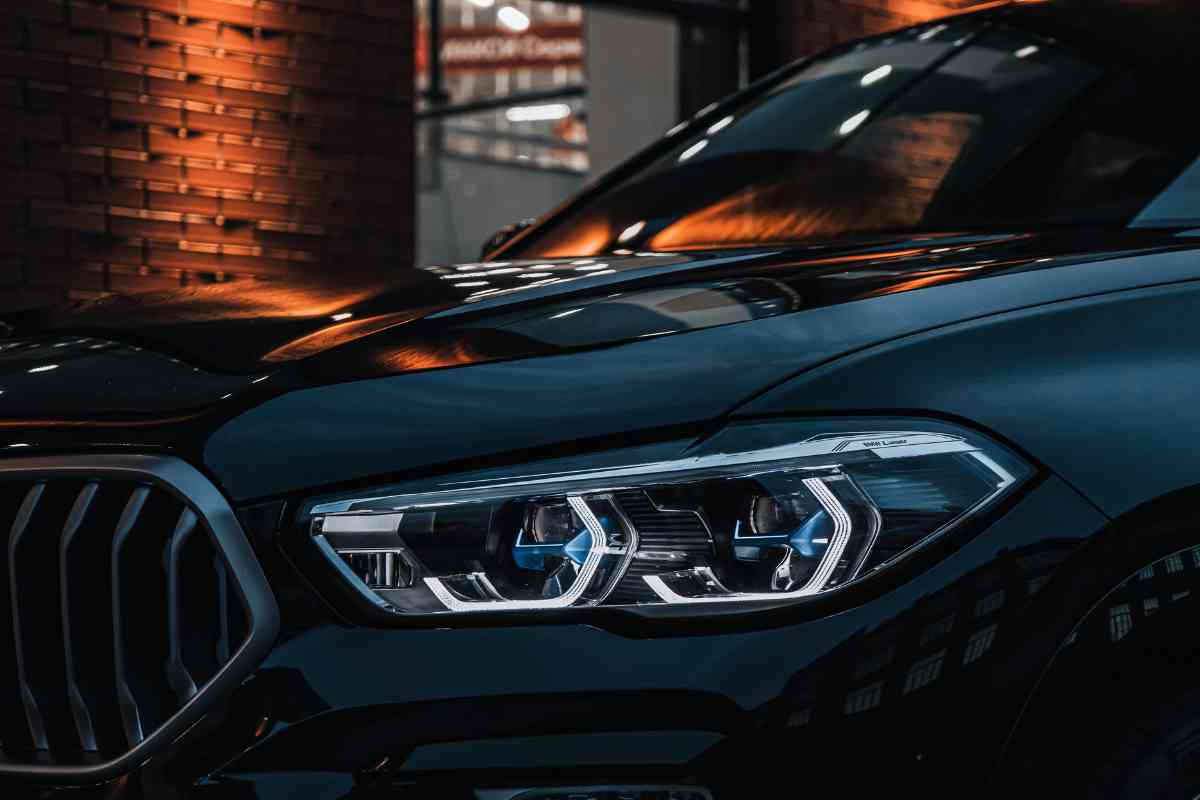
The BMW 6 Series is a luxurious car that offers style, performance, and comfort. It’s a popular choice among car enthusiasts and is available in multiple models.
Well, for somebody who wants to invest in the BMW 6 Series, there are certain things you need to consider. One of them is the number of miles it will last.
So today, we will answer a very important question: “How many miles can the BMW 6 series last?” and provide helpful information on how to boost it.
Nearly all BMWs can go up to 200,000 or even 250,000 miles with proper maintenance, and there are always going to be other models that go further.
Below we will go more in-depth on the subject matter and touch on other areas of the BMW 6 Series.
How Many Miles Can The BMW 6 Series Last?
The BMW 6 Series is available in multiple models, including the Gran Coupe, Convertible, and Coupe, and each model has different mileage estimates.
It is important to note that these are just estimates, and actual mileage can vary depending on driving conditions, maintenance, and individual driving styles.
Another interesting fact is that the BMW 6 Series is available with both petrol and diesel engines, and the mileage of the diesel engine is significantly higher than that of the petrol engine.
Nevertheless, when properly maintained and driven cautiously, the BMW 6 Series can last 200,000 to 250,000 miles.
It will last 10 to 15 years if you drive 15,000 miles per year before needing expensive and uneconomical repairs. The 6 Series is known to travel up to 300,000 miles.
While a BMW 6 Series can travel 200,000–250,000 miles, many 6 Series models travel over 300,000 miles without experiencing significant mechanical problems.
In addition, determining the number of miles a vehicle can travel could be a complex process, as it depends on various factors. Some of the main factors that affect the mileage of the BMW 6 Series include:
1. Engine Size And Type
The type and size of the engine can have a significant impact on the mileage of a vehicle. The BMW 6 Series has various engine options, including gasoline and diesel, which can affect its fuel efficiency.
2. Transmission
The type of transmission a vehicle has can also affect its mileage.
The BMW 6 Series is available with both manual and automatic transmissions, with automatic transmissions typically having better fuel efficiency.
3. Driving Conditions
The way you drive, the terrain, and the weather conditions can greatly affect the vehicle’s mileage. For example, stop-and-go city driving can lead to lower mileage than highway driving.
4. Maintenance And Upkeep
Regular maintenance and upkeep, such as regular oil changes, keeping tires properly inflated, and keeping the car in good working condition, can help to maximize the number of miles of the BMW 6 Series.
Related: BMW 740iL Transmission Problems
Frequently Asked Questions
What Is The Difference In Mileage Between The Petrol And Diesel Models Of The BMW 6 Series?
The difference in mileage between the petrol and diesel versions of the BMW 6 Series can vary depending on the specific model.
In general, diesel engines have better fuel economy than petrol engines. This is because diesel fuel has a higher energy density than gasoline, which means that a smaller fuel can generate the same amount of power.
How Can I Maximize The Mileage Of My BMW 6 Series?
Maximizing the mileage of your BMW 6 Series can help you save money on fuel costs and reduce your environmental impact. Here are a few things to do:
- Maintain your car regularly: Regular maintenance, such as inflating your tires and changing your air filter, can help improve your car’s fuel economy.
- Avoid excessive idling: If you’re going to be stopped for more than a minute, it’s more fuel-efficient to turn off your engine rather than let it idle.
- Avoid quick acceleration and braking: Rapid acceleration and braking can reduce your fuel economy, so try to drive smoothly and anticipate traffic conditions.
How Does The Engine Type Affect The Mileage Of The BMW 6 Series?
The engine type of your BMW 6 Series can seriously affect the car’s mileage, so you need to pay attention to this section.
The two main types of engines available in the BMW 6 Series are petrol and diesel.
Petrol engines typically have lower fuel economy than diesel engines. This is because petrol engines are less efficient than diesel engines. They also tend to have higher emissions than diesel engines.
On the other hand, diesel engines have a higher fuel economy than petrol engines.
This is because diesel fuel has a higher energy density than gasoline, which means that a smaller fuel can generate the same amount of power.
Are There Any Models Of The BMW 6 Series With Particularly Good Mileage?
The answer to this is an echoing Yes.
Certain models of the BMW 6 Series are known for having particularly good mileage. For example, the BMW 640i xDrive Gran Turismo is a luxury car designed for comfort and practicality.
It is equipped with a turbocharged 6-cylinder engine and an 8-speed automatic transmission, which helps to provide an estimated 24 mpg in the city and 33 mpg on the highway.
The BMW 6 Series Gran Turismo models, in general, are known to have better fuel economy than the standard models.
Conclusion
With proper maintenance and care, owners of the BMW 6 Series can expect to enjoy many miles of driving pleasure.
By following the tips and recommendations outlined on this page, you can keep your BMW 6 Series running smoothly and efficiently and improve the number of miles over time.
Additionally, certain models of the BMW 6 Series are known to have particularly good mileage, so it’s important to consider your driving needs and preferences before choosing a specific model.
Ultimately, owning a BMW 6 Series is an enjoyable experience, and with the right care, it can be enjoyed for many miles.
Related: