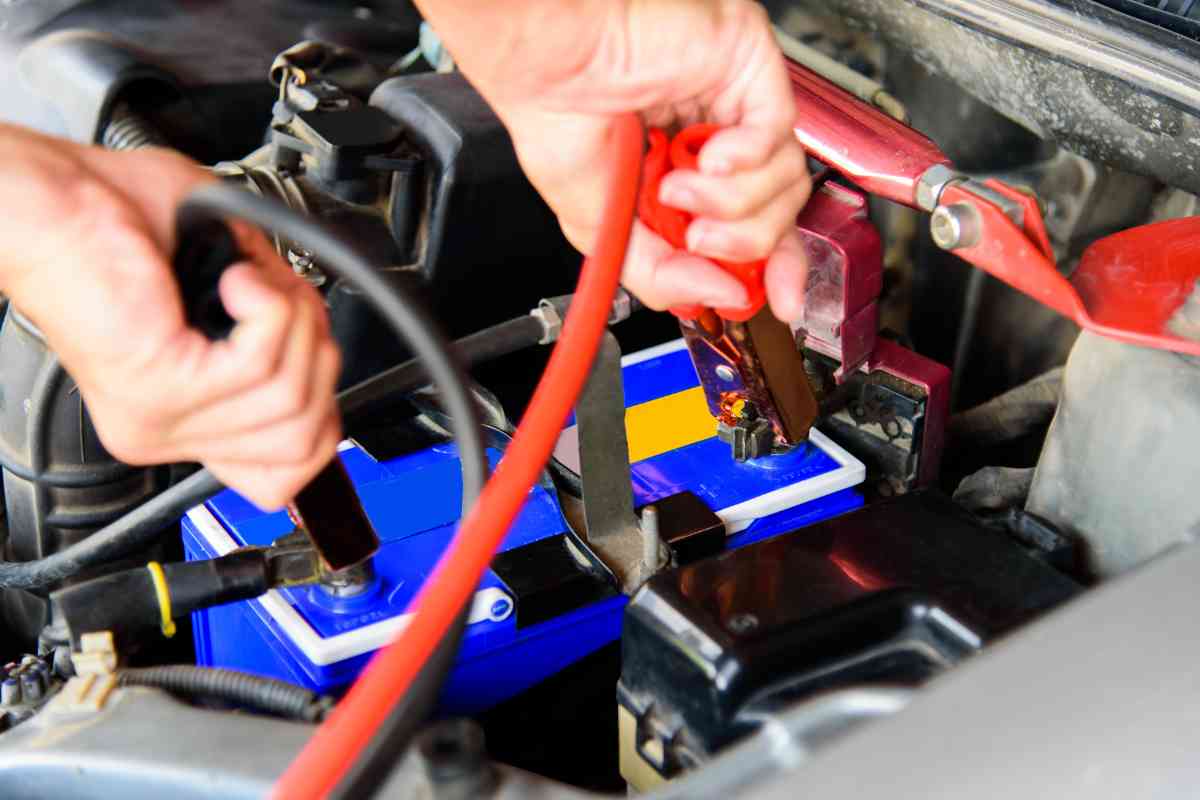
Can jumpstarting a car damage the alternator?
YES! there is a strong possibility.
And in a situation where your car is sitting with red lights flashing, and the engine won’t crank over, you might be tempted to jumpstart it.
But if you have concerns about the alternator, you should read this article.
Because misconnecting the jumper cables can cause a spark that damages the alternator, it can also damage or melt a fusible link, which is used to protect battery terminals in case of an overload.
Can Jumpstarting A Car Damage The Alternator?
The alternator carries hundreds of amps when jumper cables are misconnected. So before you attempt to jumpstart your car, you should understand how this could harm both vehicles involved and yourself.
So YES, jumpstarting a car can actually damage the alternator.
And there are many signs of a failing process that should be expected.
The symptoms include a burnt-out smell and frayed wires.
Frayed wires create electrical resistance, which generates heat as the alternator drives electricity through them. The battery light may also be illuminated—and your Check Engine light could come on too.
Also, the dashboard lights may be flickering, indicating that your car’s alternator isn’t keeping up with the load changes your electrical system needs.
It’s also a good idea to look for signs of bad diodes in the alternator, which convert AC to DC. A faulty alternator can cause stalling problems and malfunctioning charging systems.
How Do I Know If My Alternator Is Bad?
The first thing you should do when you suspect your lousy alternator is to check its voltage and amperage output.
If they’re both low or off-scale, then it’s likely that something needs to be fixed with the alternator itself and not just how much power it produces.
Although there are other tell-tale signs that your alternator might be in trouble, some of which are:
- Dim or overly bright lights
- Dead battery
- Slow or malfunctioning accessories
- Trouble starting or frequent stalling
- Growling or whining noises
- The smell of burning rubber or wires
- Battery warning light on the dash
What Should You Not Do When Jumping A Car Battery?
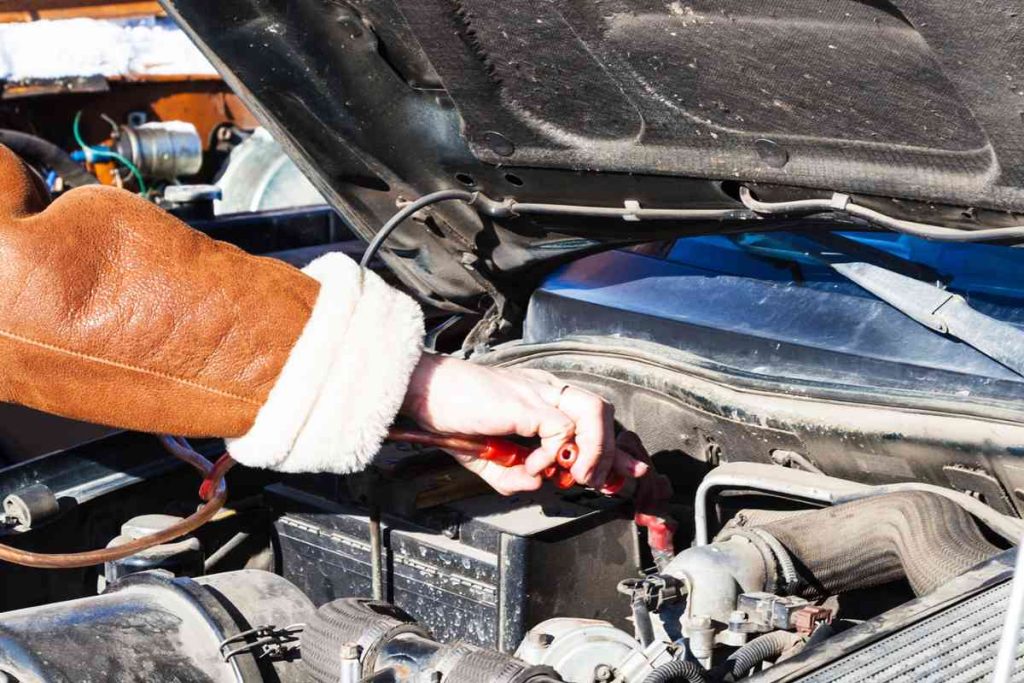
When jumpstarting a dead battery, there are some things that you should not do:
1. Using Cheap Cables
A cheap set of jumper cables may save you money, but they are less reliable than quality cables, and their use can cause resistance problems in your car’s electrical system.
2. Leaving Accessories On
Turning off climate and lighting systems, as well as any other accessories (such as radios or alarm clocks), can help to prevent damaging surges through your car’s electrical system when the battery is jumped.
3. Turning On Both Ignitions
It is best to turn on your engine and the sources when the dead battery has had time to recharge. It could damage the battery.
4. Mixing Up Negative And Positive
Mixed connections of the battery plates—the negative and positive poles—can cause short circuits that can damage your car’s electrical system or, worst, cause batteries to melt and personal injury.
Make sure you have ground knowledge of jumper cables to distinguish negative and positive connections.
5. Letting Cables Swing
Unattached alligator clips can create a sparking hazard if they come in contact with painted metal. Use a firm grip on cables, so the unconnected pins don’t swing.
6. Jumping A Frozen Battery
Don’t try to jumpstart a frozen battery. Gases trapped inside the battery rapidly expand when charged, and trying to start it could cause an explosion of acid and shrapnel.
7. Touching Clips Together
When you first connect the jumper cables to a working car, ensure not to touch both clips together, as this will cause sparks that might ignite flammable gasses inside your engine.
8. Ignoring Dirty Terminals
Battery terminals can become corroded if left unchecked. Corrosion is a common cause of poor electrical connections, so it’s essential to clear the corrosion from battery cables before you jumpstart your car.
9. Trusting a Jump Box
You can’t rely on a jump box that hasn’t been charged. Depending on usage, most need to be recharged every six months or more.
10. Ignoring Battery Cracks
Batteries with cracks can leak harmful gases, even if they can still hold a charge. Don’t risk it—buy new ones!
Related: Do Car Batteries Charge While Idling?
How Can I Test My Alternator Myself?
If you’ve been having trouble with your car’s alternator for a while, it could be time to check it out.
The great news is you can do it yourself by simply:
Get a multimeter and set it to measure DC volts above 15.
Keep the alternator’s terminals clean. Then, connect the black wire on a multimeter to its negative terminal and the red wire to the positive.
Monitor the alternator when running to ensure its output stays at around 12.6 volts.
Start the car, and check to see whether the voltage is between 14.2 and 14.7 volts at idle speeds.
A reading of 14.7 or higher on a voltmeter means the battery is overcharged; less than 14.2 indicates undercharging.
Turn the lights, fan, radio, and fog lights on while keeping an eye on your vehicle’s voltage meter, ensuring it doesn’t go below ’13.
And when you turn off the car, the gauge should read a higher figure than 12.6 volts.
If these readings are off, you likely have a problem with your car’s alternator and should see an auto repair shop.
Frequently Asked Questions
How Long Do Alternators Last?
How long your alternator will last depends on how much driving you do, how old it is, and other factors.
But in general. An alternator gets a lifespan of about seven years, that is, 80,000 and 150,000 miles.
How Long Will A Vehicle Run With A Bad Alternator?
If the battery is undercharged or the alternator isn’t working correctly, you can drive for 25 to 30 minutes before your engine stalls.
Conclusion
In conclusion, the car can be jumpstarted, but bear in mind there is a potential risk if not done correctly.
The positioning of the booster vehicle is also as crucial as locating the battery terminal, and connecting the jumper cable appropriately before jumpstarting and disconnecting the wires.
Related: