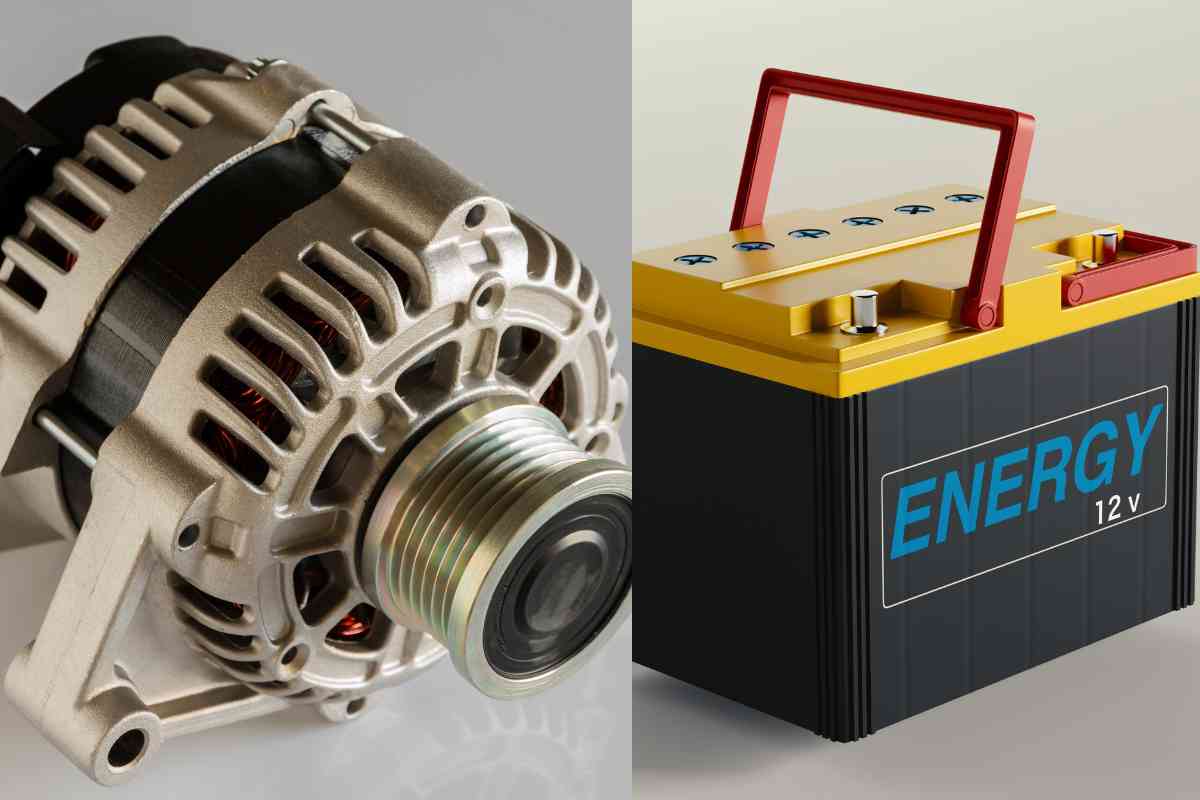
It’s time to clear the air on that bad alternator vs bad battery debate.
Non is preferable, but it is imperative to know the difference, so you know which one needs repair when it is due.
Both work hand in hand, so it is easy to confuse one’s responsibility or faultiness for the other, which is why knowing the tell-tale signs greatly helps.
For instance, a damaged alternator oozes out a burning smell, while a faulty battery gives the smell of rotten eggs.
When it comes to electrical issues, the difference is a lot clearer. A lousy car battery won’t have enough power to produce sufficient light.
A faulty alternator, on the other hand, will fluctuate from dim to bright.
Below, we will throw more light on that.
Bad Alternator Vs Bad Battery —Know The Difference
First, let’s take a sneak peek at signs of a faulty alternator and car battery before explaining each:
| Bad Alternator Signs | Vs | Bad Car Battery Signs |
| Battery age | The engine stalls | |
| The smell of rotten eggs | Burning smell | |
| The engine barely turns over | Unusual sounds | |
| Can be fixed by jump-starting | Electrical issues | |
| Dimming lights | Dim or overly bright lights | |
| Battery corrosion | Dashboard warning light is on | |
| Distorted battery casing | Dead battery (New) |
Signs Of A Faulty Alternator To Watch Out For
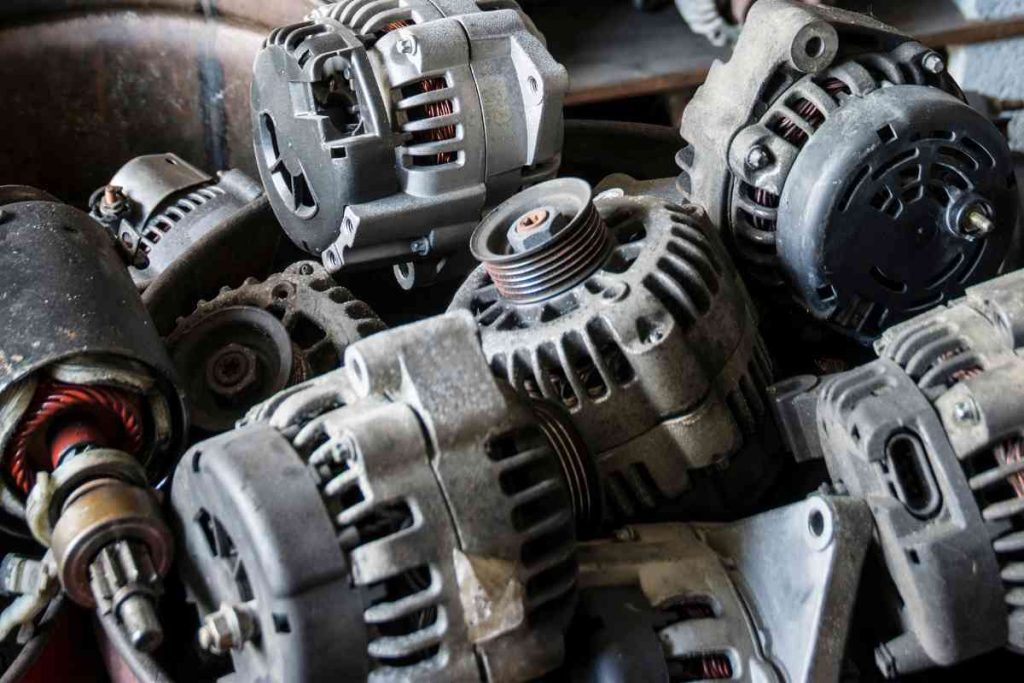
If you notice any of these signs, it’s probably time to get your alternator checked:
1. The Engine Stalls
A dead alternator can cause a car to stall. And it only works sporadically and won’t be able consistently to charge your battery.
This results in the engine stalling occasionally because the fuel injectors require more electricity from your battery than is available.
2. Burning Smell
If your car has a burning smell, it could indicate a problem with the alternator.
This odd smell is a starting of wear out of the alternator belt due to constant tension and friction.
It may indicate that your alternator needs to be fixed or repaired.
3. Unusual Sounds
Alternator growling or squealing noises can signify misalignment, excessive wear on the belt that turns it, and an inadequate power supply.
4. Electrical Issues
When an alternator fails, it pricks up many electrical issues. This includes slow or malfunctioning power windows, locks, stereo, dashboard lights, and air conditioning.
5. Dim Or Overly Bright Lights
Changes in the intensity of your car’s lights—from dim to overly bright—can signify alternator failure.
6. Dashboard Warning Light Is On
If the battery warning light is on, it could be wrong with your charging system. If everything else still works correctly, including lights and other accessories, you’ll likely be dealing with an alternator problem.
7. Dead Battery (New)
If your newly bought battery suddenly dies, it could mean that the alternator does not charge—even when the engine is running.
Signs of A Bad Car Battery
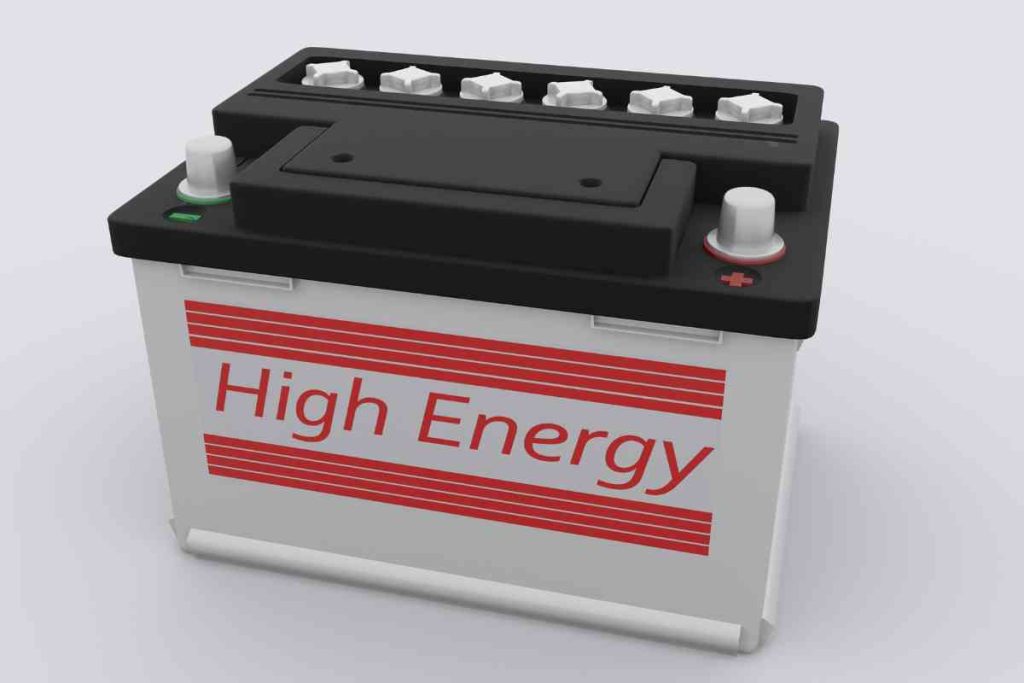
1. Battery Age
A car’s battery usually lasts between three and five years. When it gets older, its ability to hold a charge decreases drastically.
And when this happens, you may experience problems starting your car. So the next time you have trouble turning over the engine, check to see if your battery is older than five years—it might need to be replaced.
2. The Smell Of Rotten Eggs
A lousy car battery often smells like rotten eggs. That unpleasant odor comes from sulfuric gases released by a lead-acid battery as it deteriorates and leaks.
This is caused by either damage to its body, overcharging, or cold weather.
3. The Engine Barely Turns Over
If you notice that your engine barely turns over when you try to start it, this may mean that your battery doesn’t have enough voltage to engage the starter. A quick solution is a charge or jump-start.
4. Can Be Fixed By Jump-Starting
A weak battery can be jump-started, but if your car doesn’t begin running again once it has been started with the help of another vehicle, then the problem is probably not the battery.
5. Dimming Lights
Dim lights can indicate trouble, whether caused by a bad battery or another electrical problem. If your car’s interior light doesn’t come on at all—or does so very dimly—you know you have a battery problem that needs fixing.
6. Battery Corrosion
If your car doesn’t start, check the battery terminals for corrosion. Corroded terminals prevent delivery of a reasonable charge and can drain the battery if left unchecked.
7. Distorted Battery Casing
A swollen or misshapen battery can signal that it no longer operates at peak performance. If your battery has been overcharged, its sides are puffed up or bloated with gas released during the charging process.
Read Also: Muffler Delete Vs Straight Pipe (Key Differences)
Reasons A Battery Or Alternator Can Fail
There are many reasons a battery or alternator can fail, and they are sometimes obscure.
Most people believe that battery or alternator failure occurs because of manufacturer defects. However, that is not necessarily the case.
Things that contribute to alternator or battery failure include:
- Driving Habits
- Exceeding Of The Alternator Lifespan
- Cold Weather
- Computer Issues
- Bad Fuse
Conclusion
With the helpful information in this article, you can tell whether your alternator is terrible or your battery is.
Sometimes both the battery and alternator are equally at fault.
All I’m saying is to watch out for these tell-tale signs. That is the ONLY way you can pinpoint who is at fault.
Please call a trained technician if you have little or no repair knowledge.
Related: