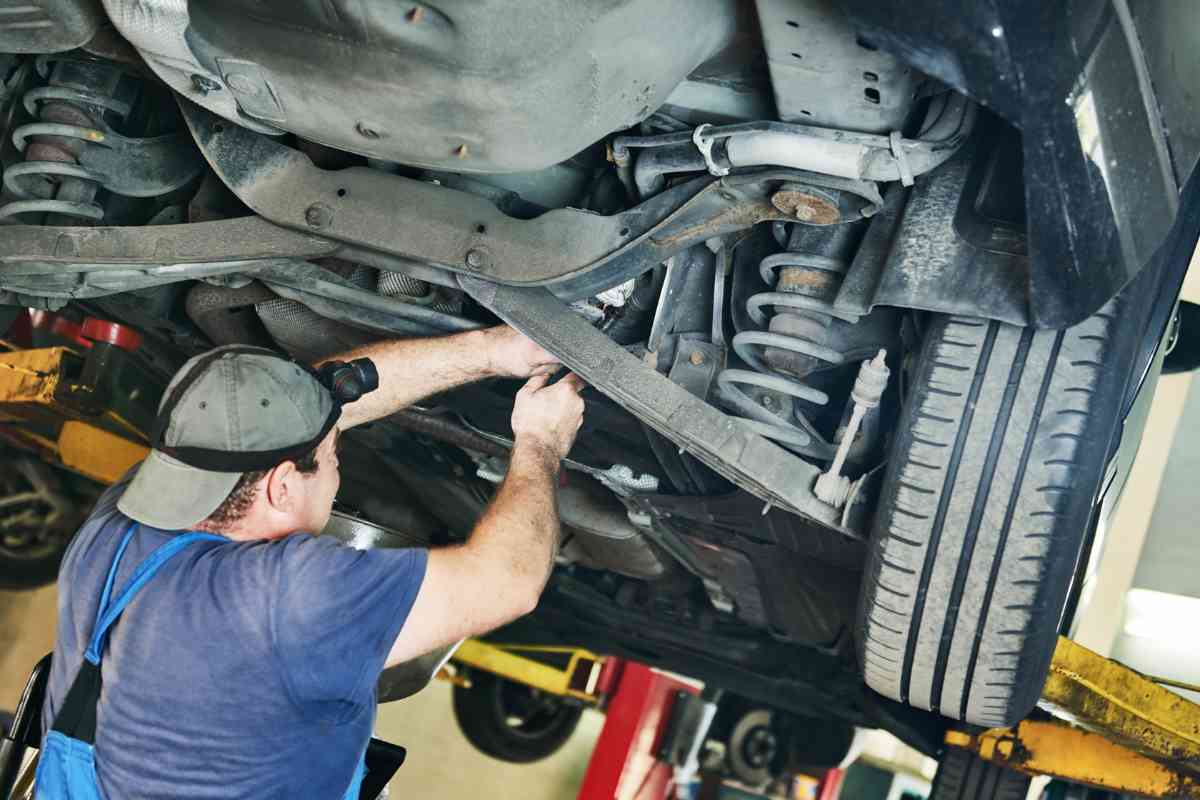
Do you feel like your car is giving you a rough ride lately? It could be because of car suspension problems.
Your car’s suspension system keeps you and your passengers comfortable and safe.
But as with any mechanical system, wear and tear can take a toll, leading to issues like vibrations, bounces, and sways.
Don’t worry; there are ways to identify and fix these problems, ensuring a smooth and enjoyable driving experience.
So, get ready to hit the road again with confidence and comfort!
Car Suspension Problems
The list of car suspension problems is long, but it’s not always obvious what the problem is. If you notice that your car is balking, it’s a good idea to get it checked out by a professional technician.
Here are some of the more common car suspension problems and how they can be fixed:
1. Clunking Noises When Hitting A Bump
Clunking noises when hitting a bump commonly indicate worn-out or damaged suspension components. This can occur due to worn-out shock absorbers, worn-out bushings, or damaged ball joints.
The shock absorbers are responsible for controlling the car’s movement and preventing it from bouncing excessively.
Worn-out bushings can cause metal-to-metal contact and create clunking noises. Damaged ball joints can lead to an unstable suspension and loud clunking noises.
The issue can become more severe if ignored, causing further damage to the suspension components and compromising the vehicle’s safety.
2. Irregular Tire Wear
Irregular tire wear often indicates a misaligned or worn-out suspension system. Misaligned wheels can cause the tire to wear unevenly and prematurely.
This can happen due to worn-out suspension components, such as tie rods, ball joints, and control arms.
Misaligned wheels can also cause the car to pull to one side while driving, reducing the car’s overall stability and handling.
Ignoring the issue can result in costly tire replacement, further damage to the suspension components, and, ultimately, compromising the vehicle’s safety.
3. Erratic Braking
Worn-out or damaged brake components or a malfunctioning suspension system often causes erratic braking.
The suspension system is crucial in keeping the car stable during braking. Worn-out or damaged suspension components can cause the car to sway or jerk during braking, leading to erratic braking.
Worn-out brake pads, warped rotors, or malfunctioning calipers can also cause the issue.
Negligence of the issue can lead to costly brake repairs, further damage to the suspension system, and even brake failure, which can be extremely dangerous.
4. Fluid Leakage
Fluid leakage is often an indication of a damaged or worn-out suspension system. The suspension system contains hydraulic fluids that help absorb shocks and vibrations.
Leaking fluid can lead to a loss of hydraulic pressure, resulting in reduced performance and safety of the vehicle.
The issue can be caused by worn-out seals or damaged components such as shock absorbers or struts.
This issue can lead to further damage to the suspension components, resulting in costly repairs and compromising the vehicle’s safety.
5. Noticeable Vibrations While Driving
When you drive your car, you expect a smooth and comfortable ride.
However, if you notice noticeable vibrations while driving, it could be an indication of problems with the suspension system.
The suspension system is responsible for absorbing shocks and vibrations from the road and ensuring the wheels maintain contact with the surface.
A worn-out or damaged suspension system can compromise your vehicle’s handling and safety.
The suspension system comprises various components such as shocks, struts, springs, bushings, and control arms.
These components work together to provide a smooth and stable ride. However, over time, these components can wear out due to regular use or damage from rough road conditions.
When this happens, the suspension system may not be able to absorb shocks and vibrations as effectively, leading to noticeable vibrations while driving.
6. Difficulty Turning
The suspension system and steering components work together to ensure the stability and maneuverability of a vehicle while turning.
The suspension system absorbs shocks and vibrations from the road, while the steering components control the wheels’ direction.
If any of the components in these systems become worn out or damaged, it can make it difficult to turn the vehicle.
Worn-out ball joints, tie rods, or control arms can cause the suspension system to become unstable while turning. This can lead to several issues, such as excessive tire wear, poor vehicle handling, and even loss of vehicle control.
The steering system can also be affected, causing difficulty turning the steering wheel or a jerky, unstable feeling while turning.
Therefore, it is essential to have the vehicle inspected and repaired by a qualified mechanic as soon as possible if difficulty turning is experienced.
How Are Suspension Problems Diagnosed And Repaired?
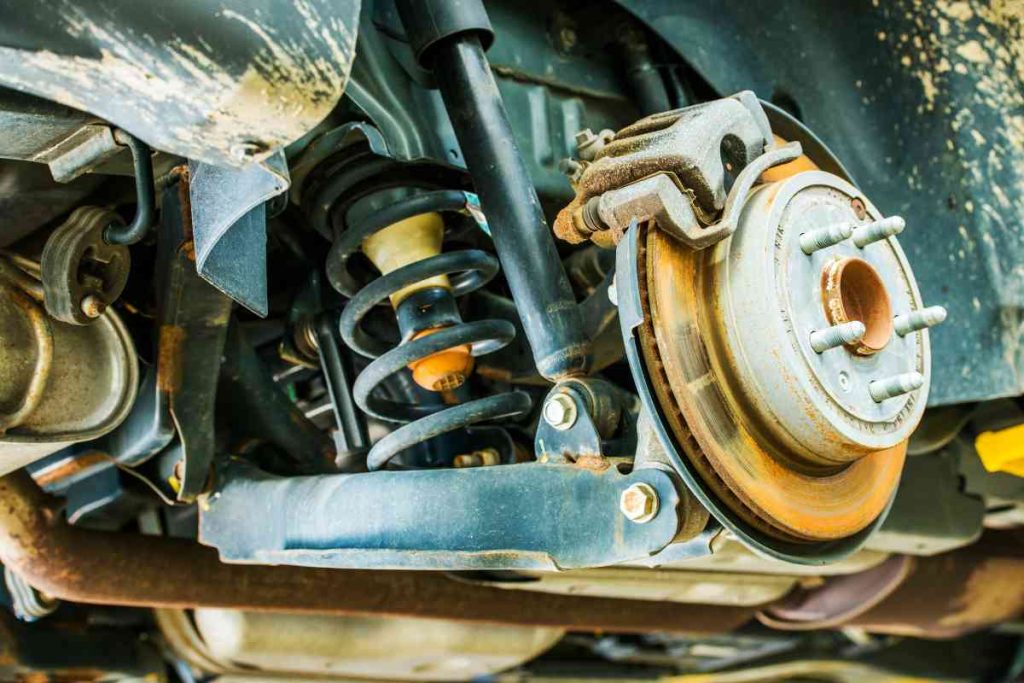
To diagnose suspension problems, a mechanic will typically visually inspect the suspension system, looking for signs of wear or damage.
They may also perform a test drive to observe how the vehicle handles and identify any issues with the ride quality.
Sometimes, the mechanic may use specialized equipment to measure the suspension components and identify any abnormalities.
Furthermore, once the problem has been diagnosed, the mechanic will recommend the necessary repairs or replacements.
Typical repairs include replacing worn or damaged shocks, struts, springs, and other components such as control arms, ball joints, or tie rod ends.
The repair cost depends on the damage’s extent and specific parts that need to be replaced.
Frequently Asked Questions
How Much Does It Cost To Repair Car Suspension Problems?
The cost of repairing car suspension problems can vary widely depending on the extent of the damage and the specific parts that need to be replaced.
Minor repairs like a worn-out shock absorber or a broken spring can cost a few hundred dollars.
Meanwhile, more extensive repairs, like replacing the suspension system, can cost several thousand dollars.
The labor cost is also a significant factor in the price of suspension repairs, as it can take several hours to remove and replace the suspension components.
Lastly, the model of the car and the quality of the replacement parts also affect the cost.
Can I Still Drive My Car If It Has Suspension Problems?
It is not recommended to drive a car with suspension problems, as it can affect the handling and control of the vehicle, making it unsafe to operate.
Suspension problems can cause a bumpy or uncomfortable ride, leading to driver fatigue, reduced vehicle control, and potential accidents.
In addition, suspension problems can cause uneven tire wear, affecting the vehicle’s traction and braking ability and making it more difficult to stop the car in an emergency.
They can also cause steering problems, making it difficult to control the car, particularly at high speeds or in windy conditions.
If you suspect your car has suspension problems, it is essential to have it inspected by a qualified mechanic.
How Often Should I Have My Car’s Suspension Checked?
Check your car’s suspension at least once yearly or every 12,000 miles, whichever comes first.
Regular inspections can help identify potential problems with the suspension system and address them before they become more extensive and expensive.
However, suppose you notice any signs of suspension problems, such as a bumpy or uncomfortable ride, uneven tire wear, excessive bouncing or swaying while driving, or difficulty steering. In that case, you should have your car’s suspension checked immediately.
Conclusion
In conclusion, car suspension problems can cause a range of issues that can be dangerous and costly.
Also, suspension issues can affect the overall driving experience, making it uncomfortable and challenging to handle the vehicle.
So, it’s crucial to regularly inspect and maintain your car’s suspension system to avoid unexpected breakdowns or accidents.
Don’t wait for the problem to escalate and cause significant damage to your car or, worse, endanger your life and those around you.
Remember, a well-maintained car suspension system means safer driving, better handling, and peace of mind.
Related: