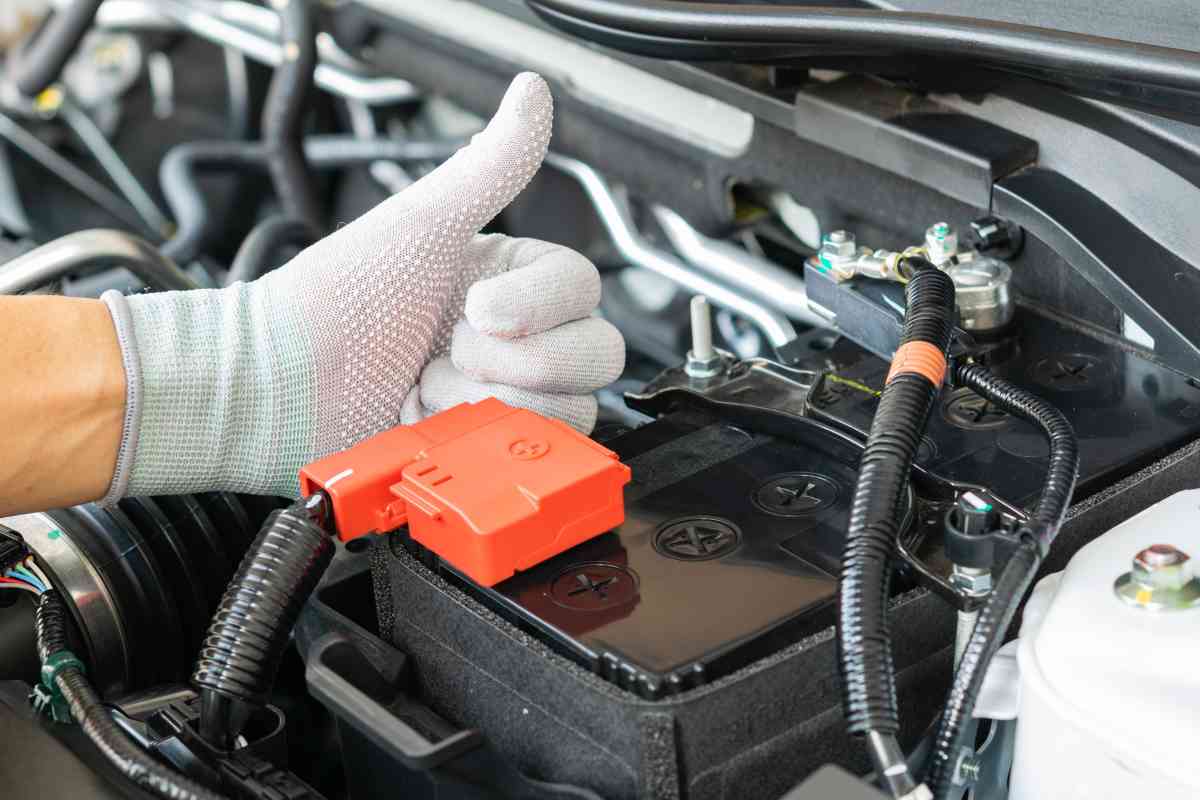
Today we are going to extinguish one of the most underrated and flaring questions in the automotive industry: whether do car batteries charge while idling.
The car battery is undoubtedly one of the most vital parts of the vehicle. It is like the heart that supplies blood to various organs.
And I get it! It sounds almost superstitious for a car battery could charge while the engine is dormant.
But indeed, it is factual. An idling engine will still charge your battery as much as a live engine —but at a much slower pace.
And I will tell you the science behind this if you stick to the end of the article.
Do Car Batteries Charge While Idling?
That will be a resounding YES.
Car batteries do charge while idling.
But the million-dollar question is, “how?”
Well, that responsibility falls to the alternator.
This component charges your battery as the engine runs. It converts mechanical energy from the engine into electrical energy that is then used to recharge the battery and power the vehicle’s electrical system.
Also, the alternator connects to the engine through a belt, increasing its output as the engine speed increases.
Aside from that, the charging system keeps the battery charged and ready for use.
While the alternator charges the battery as the engine runs, and the voltage regulator ensures it does not overcharge the battery.
And when the battery is fully charged, the voltage regulator reduces the alternator’s output, preventing further charging.
How Long Does It Take To Idle A Car To Charge The Battery?
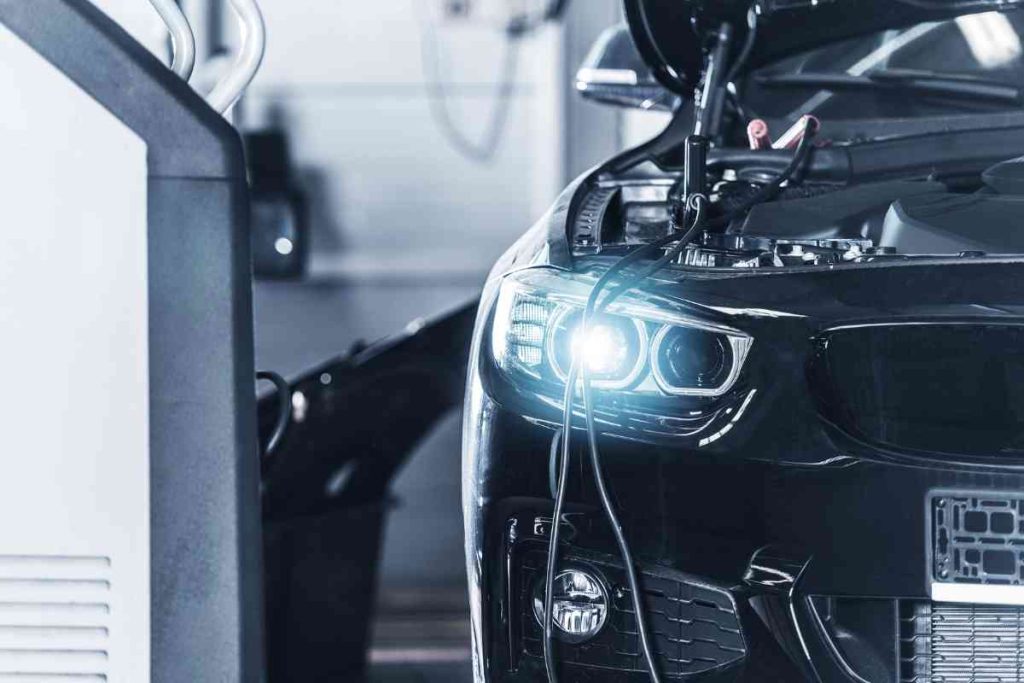
The actual time it takes to charge a car battery through idling depends on several factors, including the make and model of the car, the battery’s condition, and the alternator’s output.
Generally, it can take anywhere from 30 minutes to several hours to see a noticeable improvement in the battery’s charge level.
However, it’s important to note that idling a car can negatively impact fuel efficiency and engine wear, so it’s not recommended as a regular practice for charging a car battery.
Read Also: Are White Cars Hard To Keep Clean?
Are There Any Dangers For Idling Too Long?
There are several dangers associated with idling a car for too long. Some of the main risks include:
Increased fuel consumption: Idling a car for an extended period can lead to increased fuel consumption and higher fuel costs.
Increased emissions: Idling a car for an extended period can increase emissions and hurt the environment.
Safety concerns: Idling a car in an enclosed space, such as a garage, can lead to an accumulation of carbon monoxide, a toxic gas that can be deadly if inhaled.
Are There Better Means To Recharge The Battery?
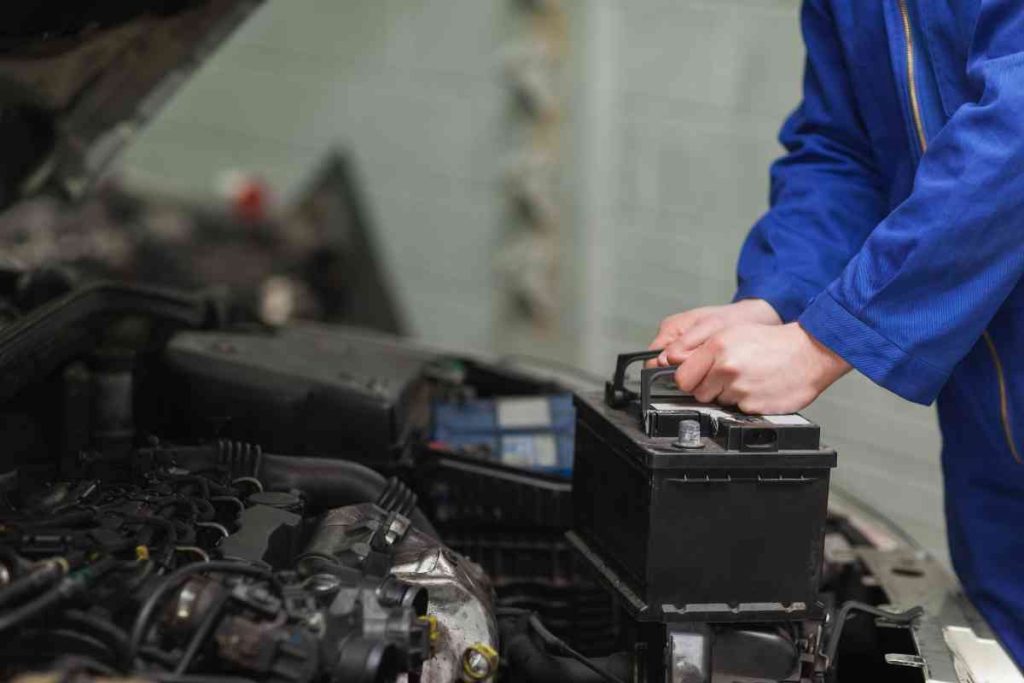
Yes, there are better ways to recharge a car battery than idling. Some of them include the following:
Battery charger: If the battery is significantly depleted, it may be necessary to use a battery charger to recharge it. Many battery chargers are available, including trickle, fast, and multi-stage chargers.
Jump starting the battery: Jump starting the battery is a quick and easy way to recharge a car battery. To jump-start the battery, you’ll need another car with a charged battery and a set of jump leads.
How Do I Know My Battery Is Charged?
To know whether a car battery is charged, you can measure its voltage with a multimeter. Fully charged batteries have a voltage reading of about 12.6 to 12.8 volts.
Here’s how to check the voltage:
Turn off the car engine: Ensure the car is turned off and the lights and other electrical accessories are not in use.
Connect the multimeter: Connect the red lead of the multimeter to the battery’s positive terminal and the black lead to the negative terminal.
Read the voltage: Turn on the multimeter and read the voltage.
It’s important to note that the voltage reading will be lower if the battery is not fully charged or if there is a significant load on the battery from electrical accessories.
Conclusion
Although idling can help keep the battery charged in some cases, it is not reliable or efficient for setting up a car battery.
It’s essential to understand that idling is only recommended for short periods and specific conditions.
It’s important to remember that the best way to keep a car battery charged is by driving the vehicle regularly and ensuring that the alternator and battery are in good condition.
Also, maintaining your car’s electrical system will ensure you’re always ready to hit the road.
Ultimately, by understanding the workings of car batteries and their charging process, you can make informed decisions about keeping your car battery charged and ready for action.
Related: